






























Organizations & communities / Corktown
Kintsugi Village
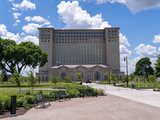
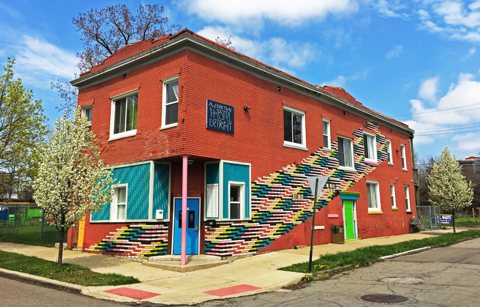
A nonprofit campus in Corktown, right next to Michigan Central: a Reggio Emilia-inspired preschool for ages 3 to 5, artist studios, a culinary kitchen and Michigan’s first SUGi pocket forest.
01 / The story of this place
Make time for these
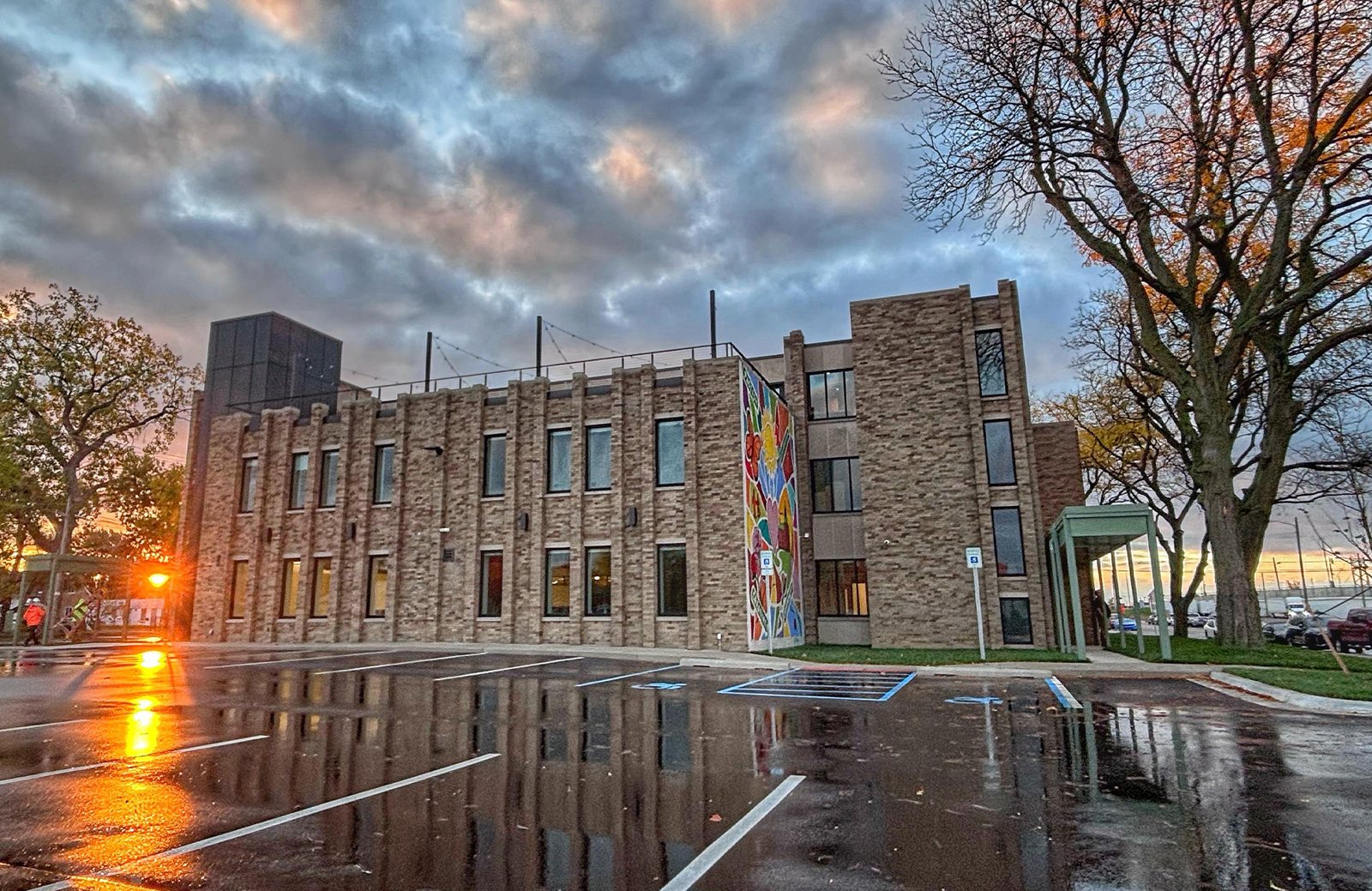
Kintsugi Village is a 501(c)(3) nonprofit that turned the former St. Vincent school on 14th Street, next door to Michigan Central, into a campus for learning, art and gathering. Co-founders Paul Spiegelman and Hamsa Yaqo opened it on October 11, 2025, and the Kintsugi Village School welcomed its first preschoolers two days later. The school serves children aged 3 to 5 in a Reggio Emilia-inspired program, where the kids’ own questions lead the projects. Upstairs you’ll find artist studios and a gallery; on the third floor, a culinary kitchen cooks fresh, seasonal meals for the children. Outside there’s a walking loop, a 26-bed garden, a pollinator garden and a pocket forest of more than 1,100 native trees and shrubs, planted with SUGi in September 2025. The name comes from the Japanese art of mending broken pottery with gold.
- Preschool for ages 3 to 5, Reggio Emilia-inspired
- Artist studios and a gallery on the second floor
- A culinary kitchen cooking fresh meals for the kids
- Michigan’s first SUGi pocket forest, 1,100+ native trees
- Event and retreat spaces for 8 to 200 people
A closer look
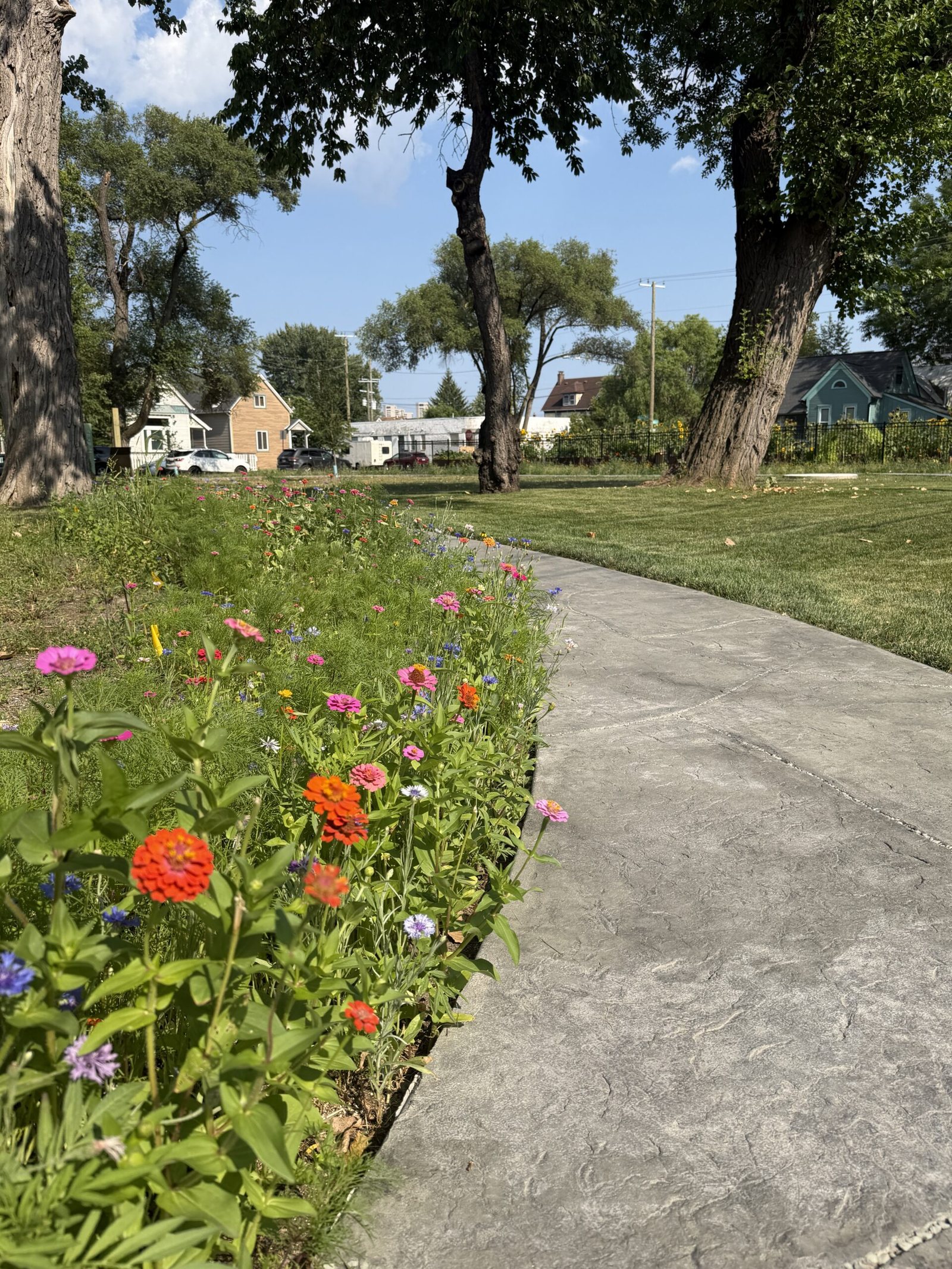
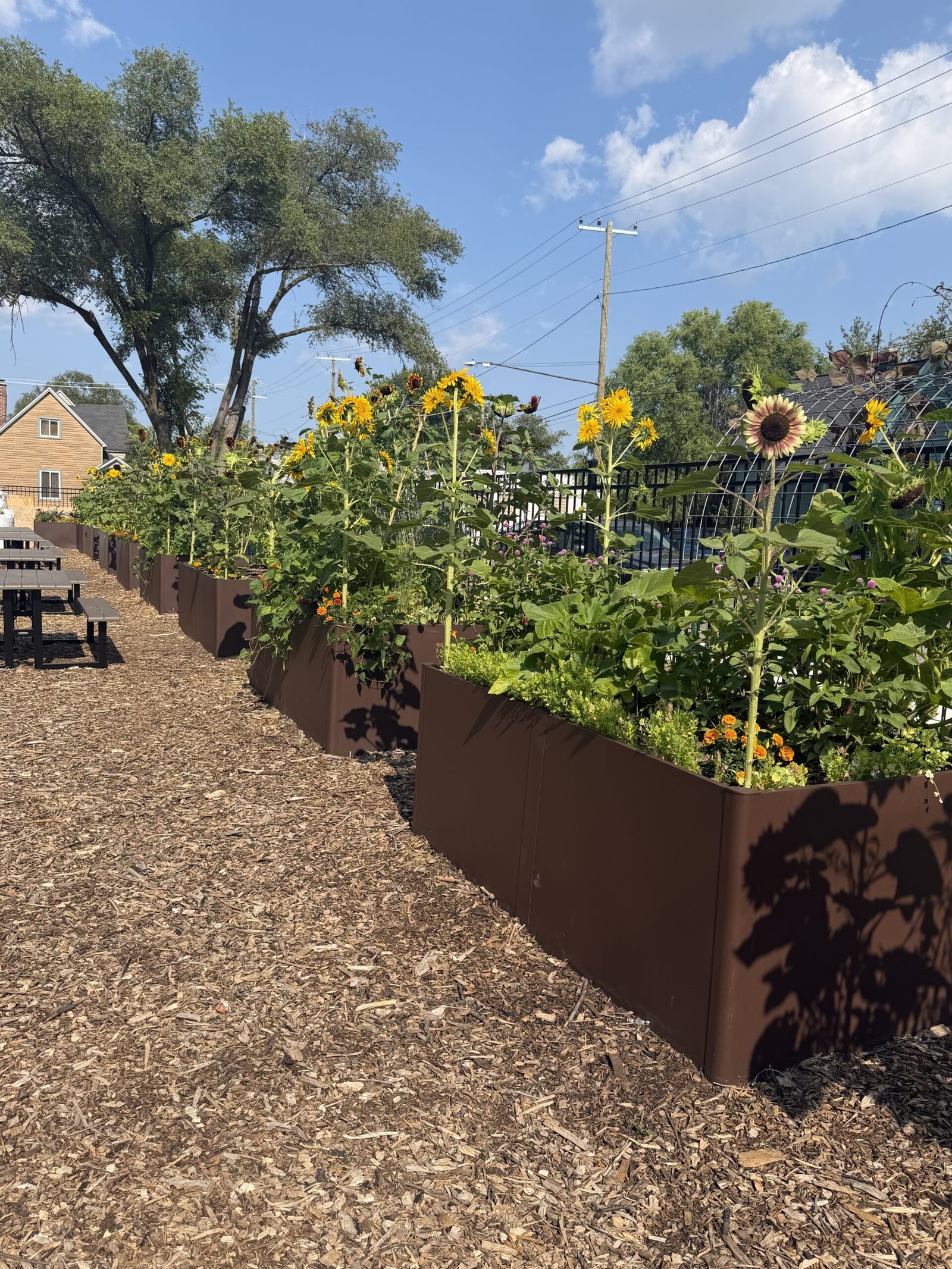
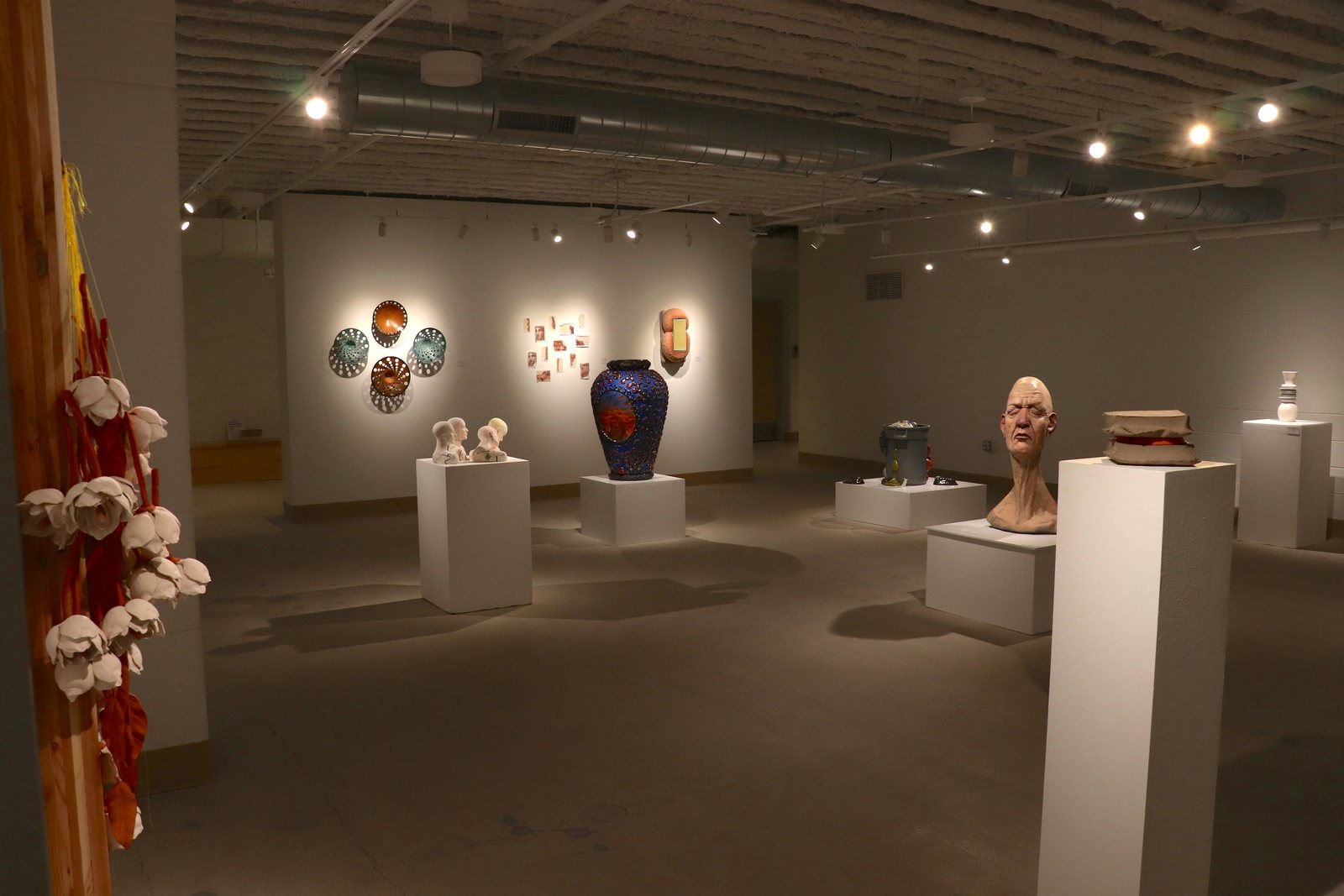
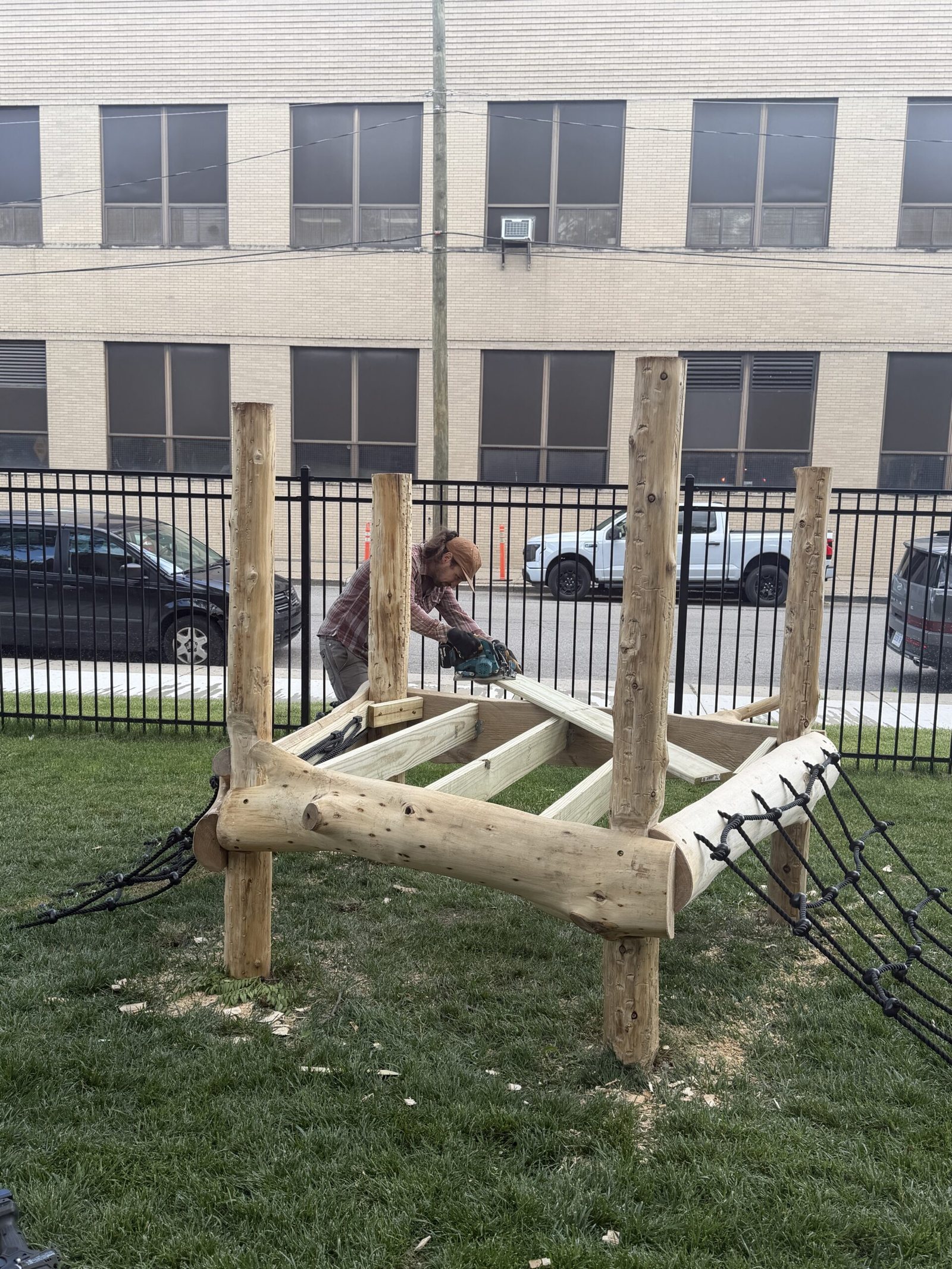

Photos were taken at different times; images are resized and cropped on cards.
Is this your venue? Update this page for free ↗
¼ · Stay
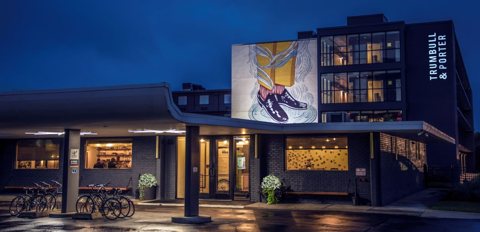
Sleep right around the corner

Sources & fact check · Checked: 2026-11-14
An independently written bilingual guide. This collection is not an attendance-based ranking.
For parents · Kintsugi Village
What is a Reggio Emilia-inspired preschool?
Kintsugi Village runs its preschool in the spirit of Reggio Emilia. Here’s where the approach comes from, what it looks like on a normal day, how it differs from Montessori, what to ask on a tour, and how Kintsugi Village does it. The sources are under every section.
Checked: 2026-11-17
01 / HistoryWhere does it come from?
Reggio Emilia is a city in northern Italy, and the approach that carries its name was born in the years after the Second World War. In May 1945, the people of Villa Cella, a village outside the city, built the walls of their new school with their own hands.
Psychologist and educator Loris Malaguzzi (1920–1994) built the city’s network of preschools and infant-toddler centres together with the municipality and local citizens, especially women. Today the approach has reached more than 145 countries and territories.
- the people of Villa Cella build their own school
- 1945
- the first municipal preschool, the Robinson, opens
- 1963
- self-run preschools in the province, 1945–1947
- 60
- Reggio Children is founded
- 1994
- countries and territories the approach has reached
- 145+
- Self-run preschools
The Italian Women’s Union (UDI) runs 60 self-managed preschools in the province of Reggio Emilia, Villa Cella among them.
- The first municipal preschool
The city opens the Robinson preschool for children aged 3 to 6; Loris Malaguzzi helps shape its program.
- The first infant-toddler centre
The city opens its first centre for children aged 0 to 3, named after Genoeffa Cervi.
- A touring exhibition
An exhibition of the municipal schools’ work sets out; since 1987 it has been called The Hundred Languages of Children, and it has travelled the world.
- Newsweek
Newsweek names Reggio Emilia’s Diana preschool the most advanced early childhood program in the world.
- Reggio Children
Malaguzzi dies in January; the city founds Reggio Children as an international centre.
- Loris Malaguzzi International Centre
It opens in the former Locatelli cheese warehouses.
Sources: Reggio Children: timeline · Reggio Children: Loris Malaguzzi · Reggio Children: the approach
Back to contents ↑02 / In practiceWhat does it mean on a normal day?
01
A capable, curious child
In Reggio Emilia, a child arrives with strong potential, has rights of their own, and has the right and the ability to express what they think.
02
Child-led projects
Children build their learning together with teachers and parents. Teachers observe, interpret and document where a topic is heading; Reggio educators call this progettazione.
03
A hundred languages
Malaguzzi’s poem says a child has a hundred ways to think, play, speak, listen and marvel at the world, and it faults school for separating the head from the body and science from imagination.
04
The atelier and the atelierista
One founding element of Reggio schools is the atelier, a workshop where children express ideas with materials and media. It is run by the atelierista, a studio teacher trained in the arts, who works alongside the other teachers.
05
The space is the third teacher
The room is set up to teach on its own: to spark curiosity and bring children together. In the words of the North American Reggio Emilia Alliance, the environment is the third teacher.
06
Learning made visible
Teachers document how an idea or a piece of work comes about, so the learning process is visible to families too. Here, taking part is both a right and a responsibility of parents.
Sources: Reggio Children: the approach · Reggio Children: the hundred languages · North American Reggio Emilia Alliance · Kintsugi Village School
Back to contents ↑03 / ComparisonHow is it different from Montessori or a typical preschool?
Both come from Italy and both start from an active, curious child, but they work differently. Montessori education goes back to Maria Montessori, an Italian physician and educator, who opened her first Casa dei Bambini on January 6, 1907, in Rome’s San Lorenzo district.
Reggio Emilia
Shared projects
Learning is built by children, teachers and parents together, in the classroom and in the atelier.
- Origin
- Reggio Emilia, after 1945; Loris Malaguzzi
- Learning
- projects that teachers observe and document
- Materials
- an atelier with many materials and an arts-trained teacher
- The teacher
- a partner who observes, interprets and documents
- Group and family
- several teachers with the children; parents’ participation is a right and a responsibility
Montessori
Independent work
Children work at their own pace on activities they choose themselves.
- Origin
- Rome, 1907; Maria Montessori
- Learning
- own pace, self-selected activities
- Materials
- purpose-made, hands-on materials for learning through discovery
- The teacher
- a guide and mentor who observes, assesses and supports
- Group and family
- mixed-age classes, typically a three-year span
Sources: American Montessori Society: what is Montessori? · American Montessori Society: history · Reggio Children: the approach · North American Reggio Emilia Alliance
Back to contents ↑04 / For parentsWhat should you ask on a tour?
- What was the last project, and where did it start?
- Can I see how you document the children’s work, and where do parents see it?
- Is there an atelier? Who works there with the children?
- How many teachers are with a group at the same time?
- How can parents take part in everyday life here?
- Who cooks, and what do the children eat?
- How much time do they spend outside, and what do they do in the garden?
Sources: Kintsugi Village School · Kintsugi Village: interest form · Kintsugi Village: Get Involved
Back to contents ↑05 / Kintsugi VillageHow does Kintsugi Village do it?
In Kintsugi Village’s own words, children are capable, curious and active learners, learning is hands-on and project-based, and the space is curated as a “third teacher.” The preschool is on the first floor; above it are artist studios, a gallery and a kitchen.
Artists
Artists in the building
The second floor holds artist studios, a gallery and a shared makers’ space, and visiting artists come into the classrooms too. The children’s work got its own show: MoKKA’s first exhibition put the art of 35 preschoolers in front of more than 100 visitors.
Kitchen
Its own kitchen
The third-floor kitchen cooks fresh, seasonal meals and snacks for the children, with local ingredients whenever possible. The children harvest herbs and vegetables from the garden and the greenhouse.
Garden
Garden and pocket forest
Behind the building there is a 26-bed garden, a pollinator garden, a walking loop and a pocket forest of more than 1,100 native trees and shrubs, planted with SUGi on September 20, 2025.
Community
Guests in the classroom
Classrooms have hosted visiting artists, yoga and a live-animal visit from GP Zoology. The garden and the forest were built with local partners, including The Greening of Detroit and SUGi.
- the year the school opened, on October 13
- 2025
- year-olds
- 3–5
- the teacher-to-child ratio they aim for
- 1 : 6–8
- days a week, half or full day
- 2, 3, 5
- aftercare, for an extra fee
- 3:30–5:30
What is a Reggio Emilia-inspired preschool?
A preschool that follows the approach of the municipal preschools of Reggio Emilia, Italy: children are seen as capable, curious learners, learning grows from shared projects, there is an atelier with an arts-trained teacher, the space acts as the third teacher, and the children’s work is documented so families can see it.
Is it the same as Montessori?
No. Both come from Italy, but in a Montessori class children work at their own pace on activities they choose, with purpose-made materials, while a Reggio Emilia-inspired preschool centers on shared projects, the atelier and documentation.
How can I see the Kintsugi Village preschool?
Write to school@kintsugivillage.org or fill in the interest form ↗; they give tours on request.
Sources: Kintsugi Village School · Kintsugi Village: launching the school · Kintsugi Village: a look ahead to 2026 · Kintsugi Village: MoKKA · Kintsugi Village: the first tree we planted · Kintsugi Village: SUGi pocket forest · El Central: Kintsugi Village opens
Back to contents ↑The parts about Kintsugi Village are based on the organization’s own pages as of November 17, 2026. Questions about the school: school@kintsugivillage.org.
03 / Events
Events at this place
Published events automatically linked from our event guide. Times are local to the venue.
We have no published upcoming events linked to this place yet. That does not mean the venue has no events; check its official calendar too.
Official website & visitor information ↗Keep exploring
Back to Detroit A–Z ↗Organizations & communities / The District Detroit
313 Presents
Detroit's big concert and show promoter, the folks filling Little Caesars Arena, the Fox Theatre and Pine Knob.
Organizations & communities
400 Monroe Associates
Greektown's family-run developer and landlord behind the International Center building, Fishbones Greektown and the Atheneum Suites Hotel.
Organizations & communities / New Center
Alan C. Young & Associates, P.C.
Detroit CPA firm on Woodward: audits, tax, bookkeeping and financial consulting for businesses and nonprofits.