



















Why did Detroit become the Motor City?
By the 1880s Detroit was already building ships and engines: young Henry Ford apprenticed as a machinist at the Detroit Dry Dock Engine Works from 1880 to 1882, in the riverfront building that now houses the DNR Outdoor Adventure Center. On March 6, 1896, Charles Brady King drove the first gasoline car on Detroit's streets, with Henry Ford following on a bicycle; later that year Ford finished his own first vehicle, the Quadricycle. Ford Motor Company was incorporated on June 16, 1903, with money from investors including John and Horace Dodge, whose shop also built the engines for the first Fords.
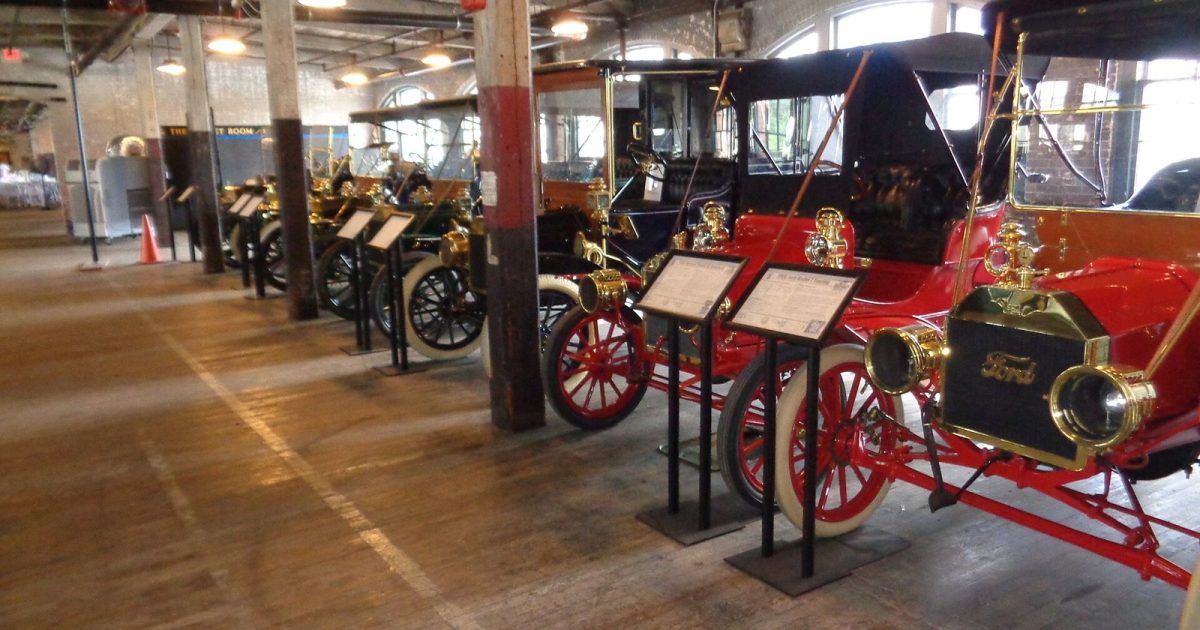
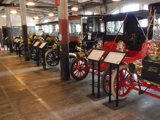
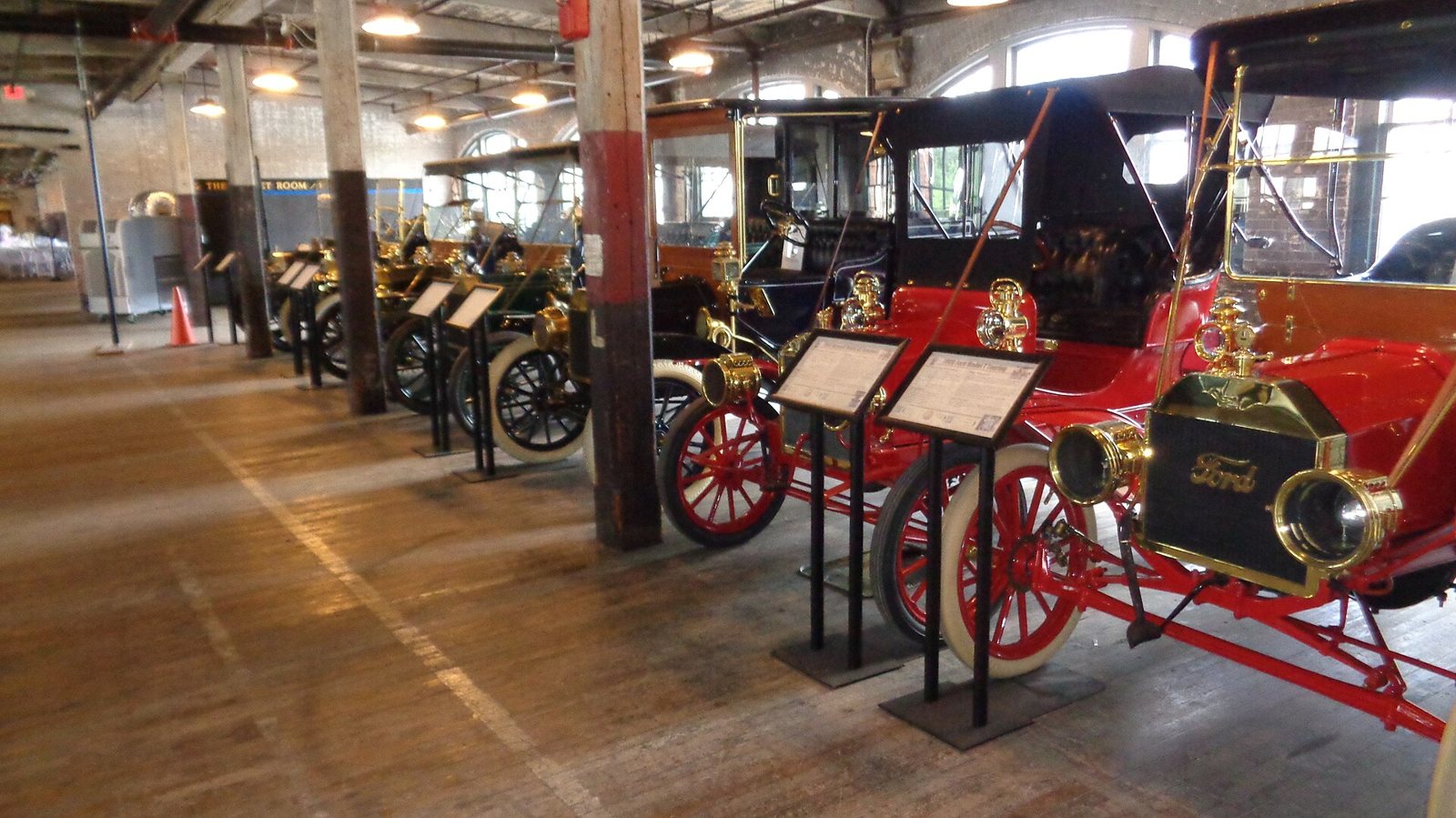
The turning point came on Piquette Avenue. In a locked experimental room on the top floor of a three-story brick factory, József Galamb, an engineer from Makó, Hungary, drew up the parts for a new, affordable car, while his countryman Eugene Farkas designed the tools to build it. The first production Model T was finished there on September 27, 1908, and more than 15 million had been sold by 1927.
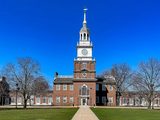
In 1910 Ford moved to Highland Park, into Albert Kahn's daylight factory of glass and concrete. That's where the moving assembly line started in 1913, cutting the time to build a Model T from 12.5 labor hours to 93 minutes. On January 5, 1914, Ford announced the $5 day, more than double the old $2.34, and tens of thousands of workers headed for Detroit. From 1917 the Rouge complex rose along the Rouge River; by 1929 it employed 103,000 people and turned iron ore, rubber and glass into finished cars inside its own walls.
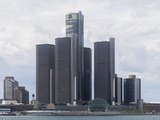
The rest of the Big Three came along fast. Flint carriage maker William C. Durant founded General Motors on September 16, 1908, and Walter P. Chrysler, a former railroad mechanic from Kansas, founded Chrysler Corporation in Detroit in 1925 and bought Dodge in 1928. Chrysler's road ran through Fiat to Stellantis, formed in 2021, with its North American headquarters in Auburn Hills. GM bought the Renaissance Center in 1996, then moved back to Woodward Avenue in January 2026, into a new building on the site of the old Hudson's department store.
That's where the nicknames come from: Motor City for the cars, and Motown, a mashup of motor and town that the record label made famous worldwide. During World War II the auto plants turned to war production, and Detroit became a center of America's Arsenal of Democracy. The industry has stumbled and come back more than once since. What you see today is a working industry and an open-air museum at the same time.

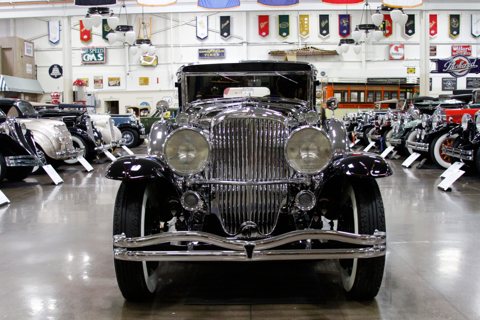
 The Dad weekend: cars, barbecue, bowling and a little luck
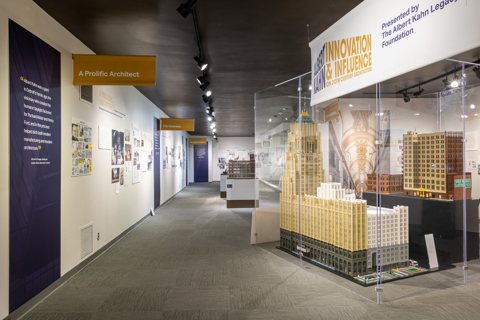 Tour Detroit: A Weekend of Guided Tours, From Skyscrapers to the Model T
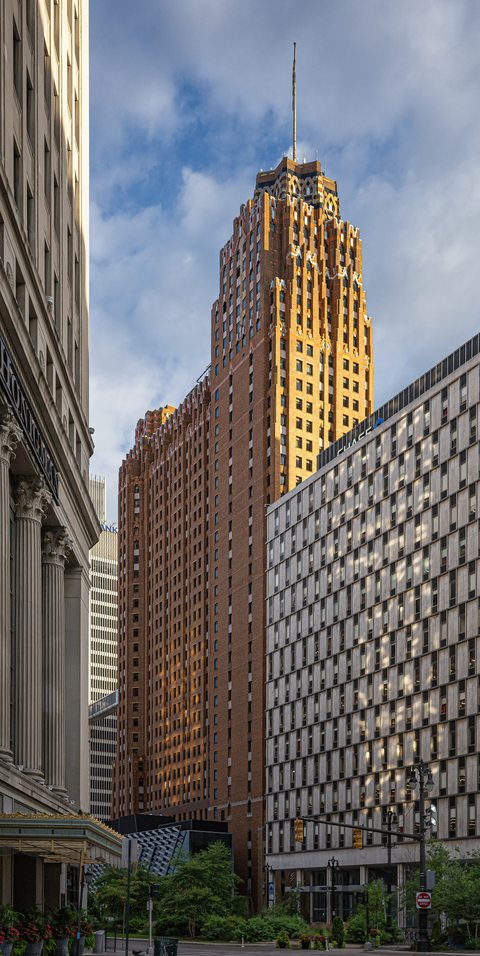 Look up! A day with Detroit's most jaw-dropping buildings
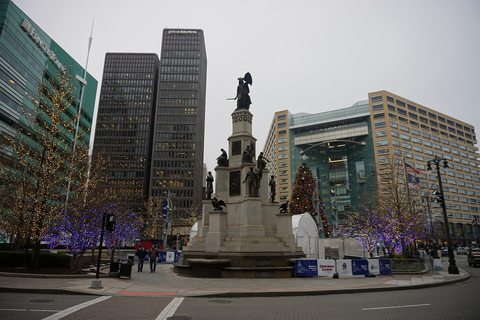 What can't you miss in Detroit? The icons in two days