Visual art / Business & brands
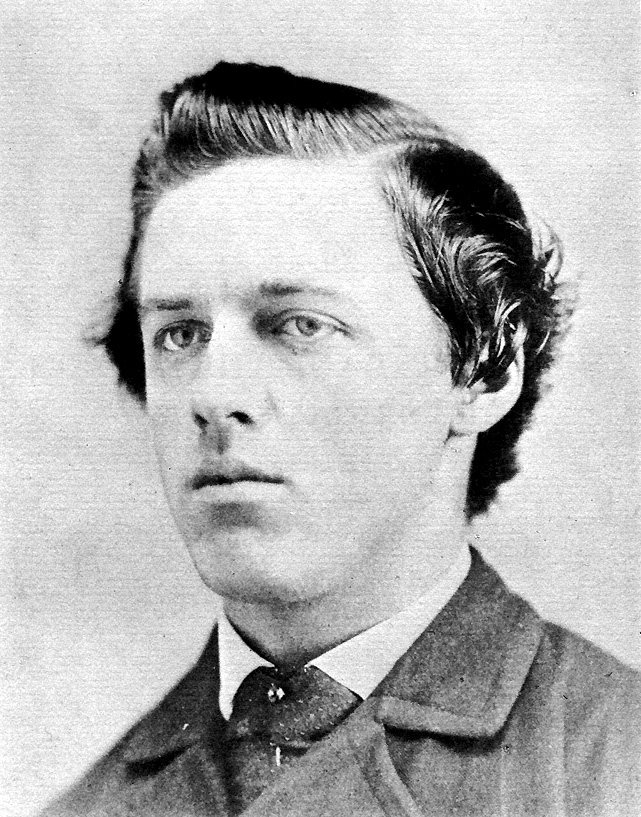
William Henry Jackson
1843–1942 · photographer, painter, explorer
Pioneer photographer of the American West who joined the Detroit Photographic Company in 1897, helping make Detroit a world center of color postcards.
- Born
Keeseville, New York- Died
New York City, New York
aged 99- Detroit years
- 1897–1924
- Field
- Visual art, Business & brands
01 / The Detroit story
The Detroit story
Jackson made his name photographing Yellowstone on the 1871 Hayden survey, pictures that helped persuade Congress to create the first national park. In 1897 he sold his entire stock of negatives, and his own services, to the Detroit Photographic Company, owned by the Detroit publisher William A. Livingstone, and moved to Detroit as a partner and photographer. The company held exclusive American rights to the Swiss photochrom process, which turned black-and-white negatives into vivid color prints. Renamed the Detroit Publishing Company in 1905, it drew on some 40,000 negatives and at its height sold about seven million prints a year, with outlets in Detroit, New York, Los Angeles, London and Zurich, and it flooded the country with color postcards of cities, landscapes and landmarks. Cheaper printing methods and falling demand during World War I brought decline, and the company entered receivership in 1924. In 1936 Edsel Ford bought Jackson's negatives for the museum that became The Henry Ford in Dearborn.
Highlights
- Joined the Detroit Photographic Company in 1897
- Detroit Publishing Company sold about seven million prints a year at its peak
- Company popularized photochrom color postcards
- Edsel Ford bought his 40,000 negatives for The Henry Ford (1936)
- His Yellowstone photographs helped create the first national park (1872)
02 / Their Detroit places
Their Detroit places 1
Where they lived, worked, performed and liked to hang out. Closed and demolished places stay here too, because they are part of the city's history.
Related place · 1936–
Henry Ford Museum of American Innovation
The museum for which Edsel Ford bought Jackson's Detroit Publishing negatives in 1936; part of the collection later went to the Library of Congress.