Politics / City history
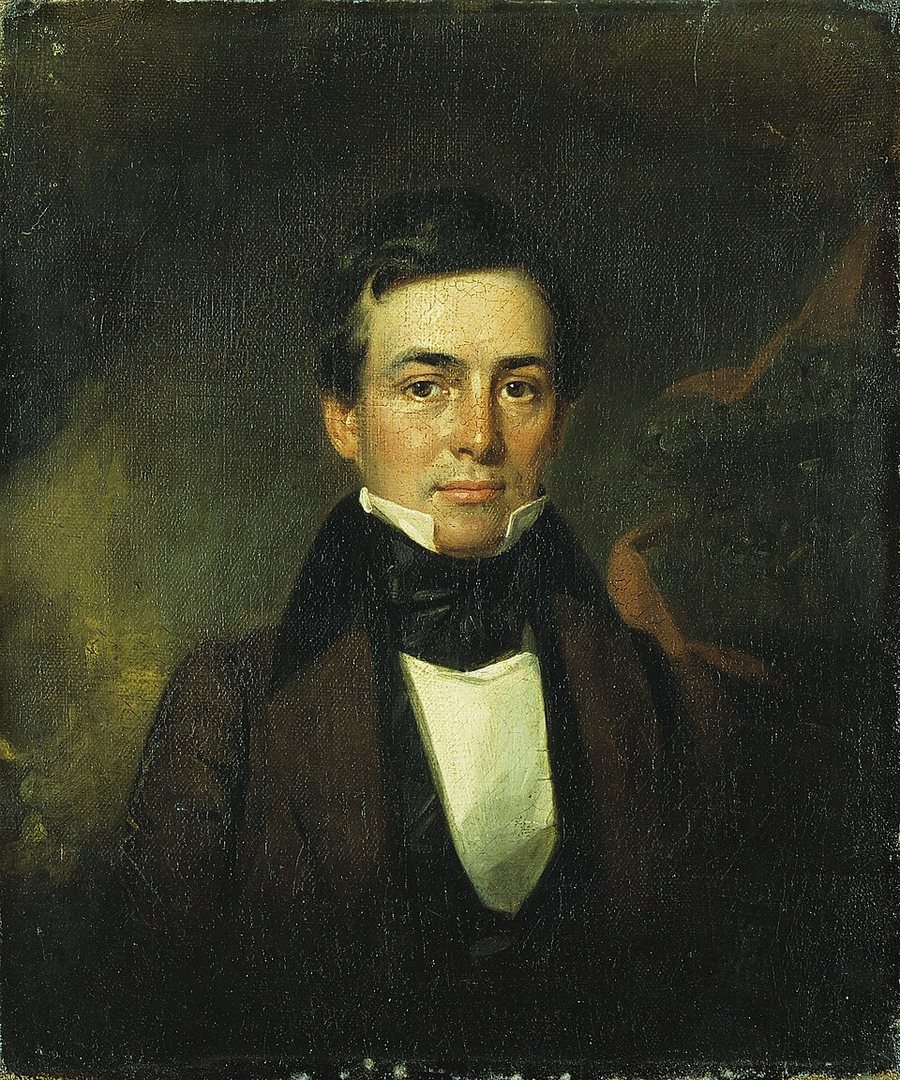
Stevens T. Mason
1811–1843 · territorial secretary, first governor of Michigan
The 'Boy Governor' who ran Michigan Territory from Detroit at 19, led it to statehood in 1837 as its first governor and now lies under his statue in Capitol Park.
- Born
Loudoun County, Virginia- Died
New York City, New York
aged 31- Birth name
- Stevens Thomson Mason
- Also known as
- The Boy Governor
- Detroit years
- 1830–1841
- Field
- Politics, City history
01 / The Detroit story
The Detroit story
Stevens T. Mason, from a powerful Virginia family, came to Detroit as a teenager when his father was named secretary of Michigan Territory in 1830. In 1831 President Andrew Jackson appointed the 19-year-old to replace his father, and after Governor George Porter died of cholera in Detroit in 1834, Mason became acting territorial governor at 22. He drove Michigan's push for statehood, calling a constitutional convention and defying Ohio in the 1835 'Toledo War' over the Toledo Strip, which cost him his federal post. Elected the first governor of the state in 1835, at 24 the youngest governor in American history, he governed from the capitol in Detroit until 1840. His ambitious internal-improvements program collapsed in the Panic of 1837, leaving heavy state debt. He moved to New York and died there of pneumonia at 31. In 1905 his remains were brought to Detroit and buried in Capitol Park, on the site of the old capitol, beneath a bronze statue.
Highlights
- First governor of the State of Michigan, 1835–1840
- Youngest state governor in U.S. history (elected at 23)
- Acting governor of Michigan Territory at 22
- Led Michigan in the 1835 Toledo War with Ohio
- Buried in Detroit's Capitol Park since 1905
02 / Their Detroit places
Their Detroit places 1
Where they lived, worked, performed and liked to hang out. Closed and demolished places stay here too, because they are part of the city's history.
Buried here · 1905–
Capitol Park (Mason grave and statue)
Downtown square on the site of Michigan's first capitol; his remains were reburied here in 1905 and a bronze statue stands over the grave.