








42°18′ N   83°14′ WINDEPENDENT CITY GUIDE · HU / ENDEARBORN + DETROIT
QUARTER
DETROIT
Menu

Places Dearborn / ¼

Dearborn · twenty minutes from downtownThe Henry Ford

A museum, a village and a factory that still runs

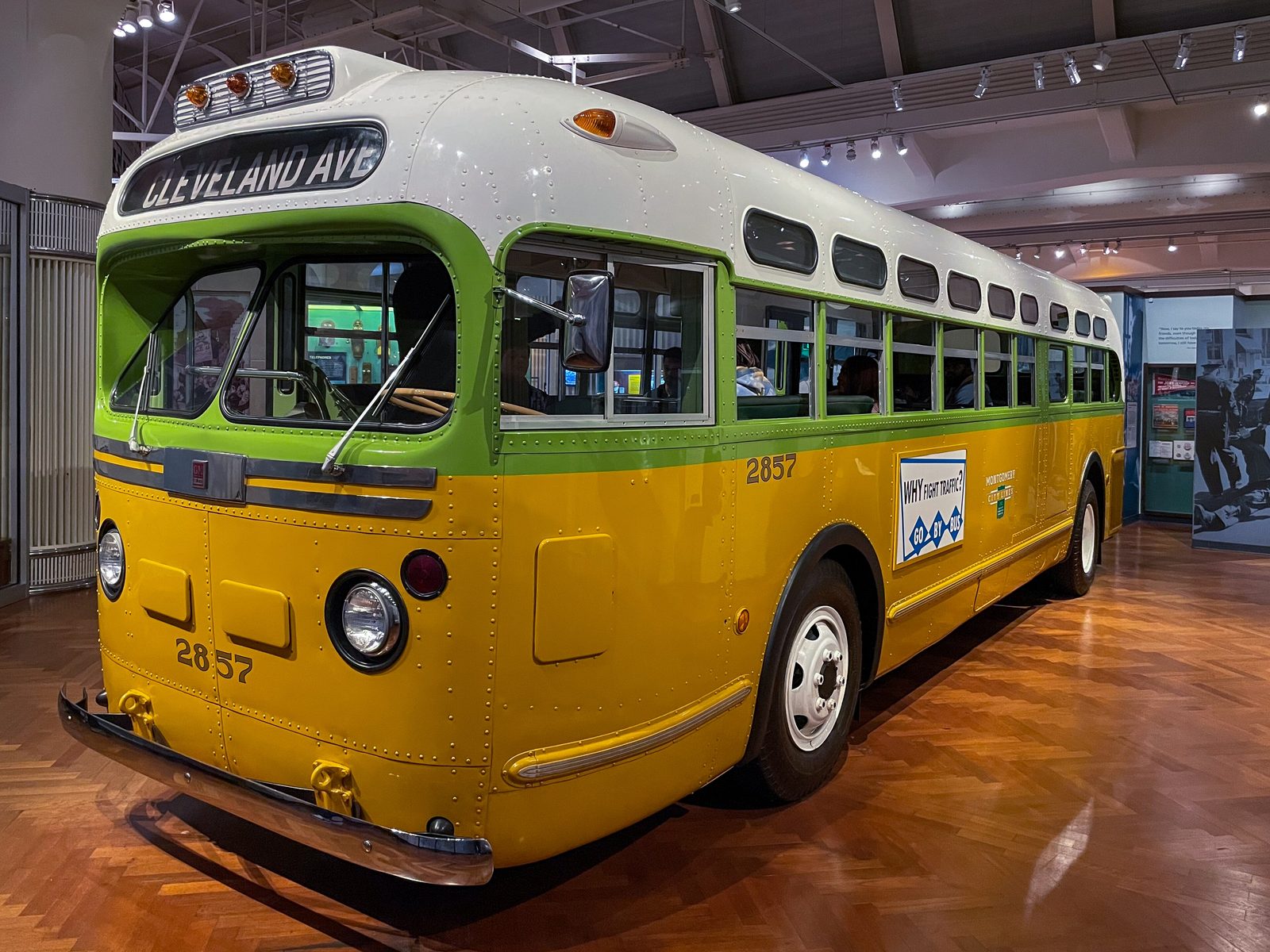
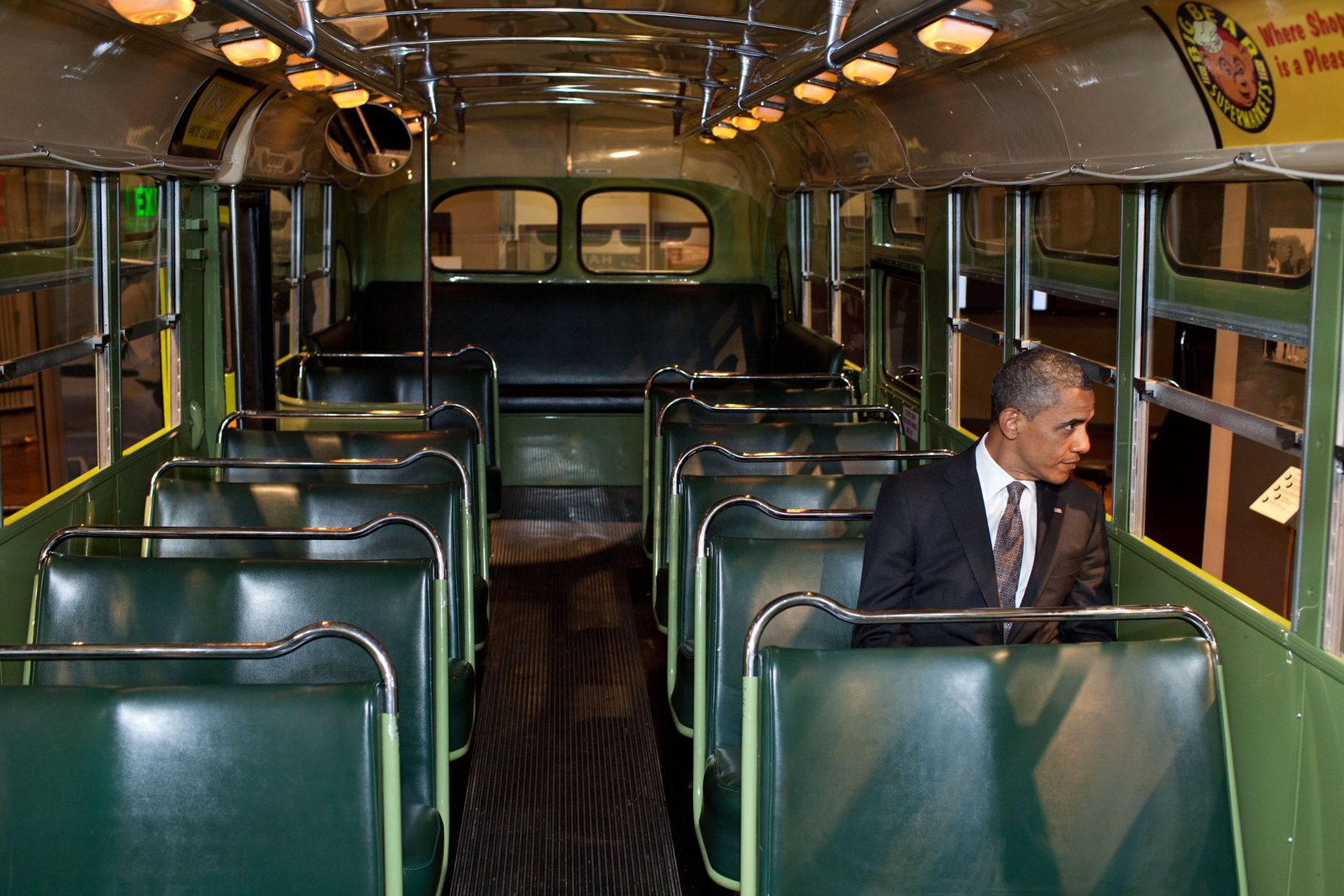
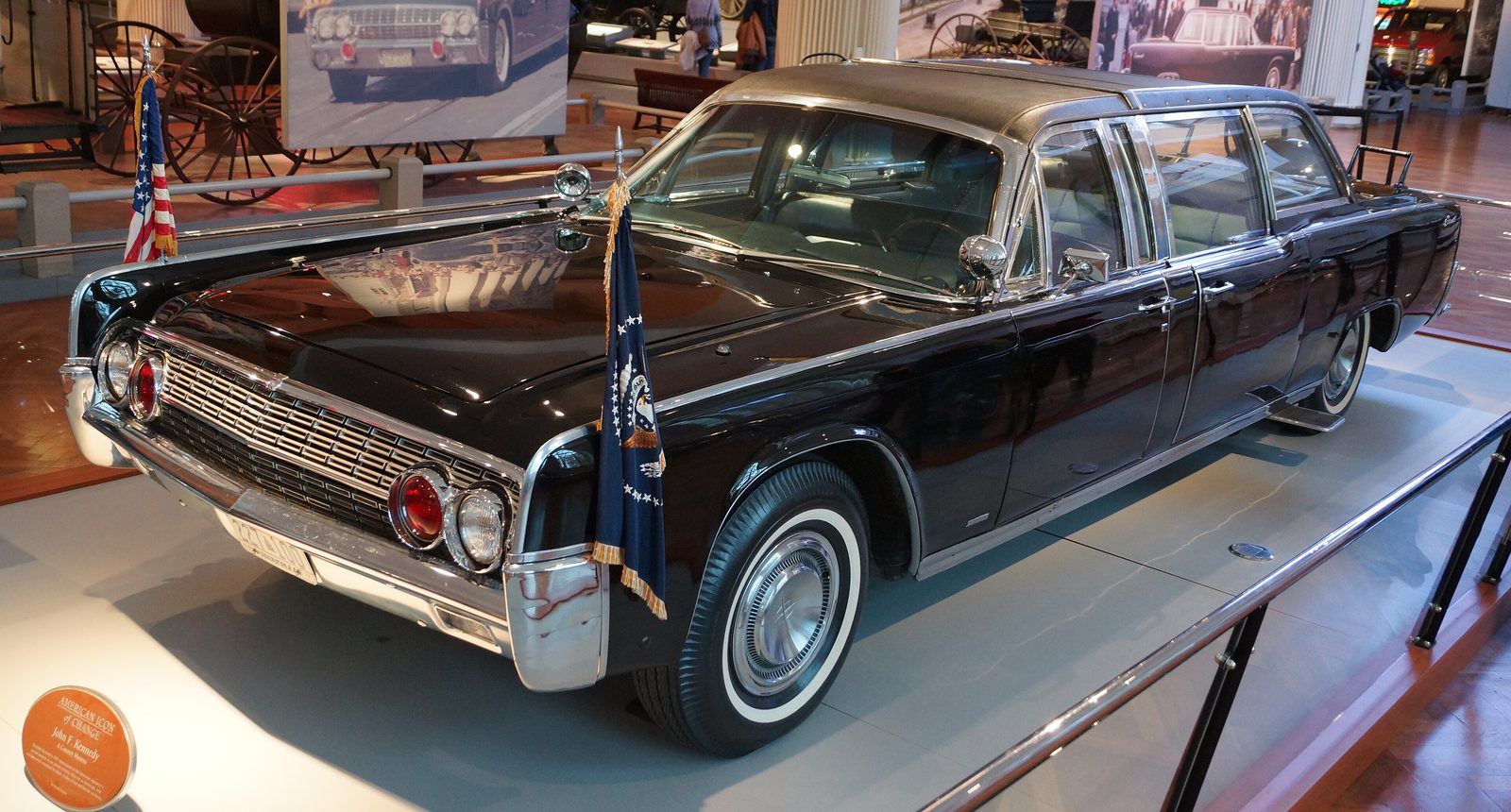
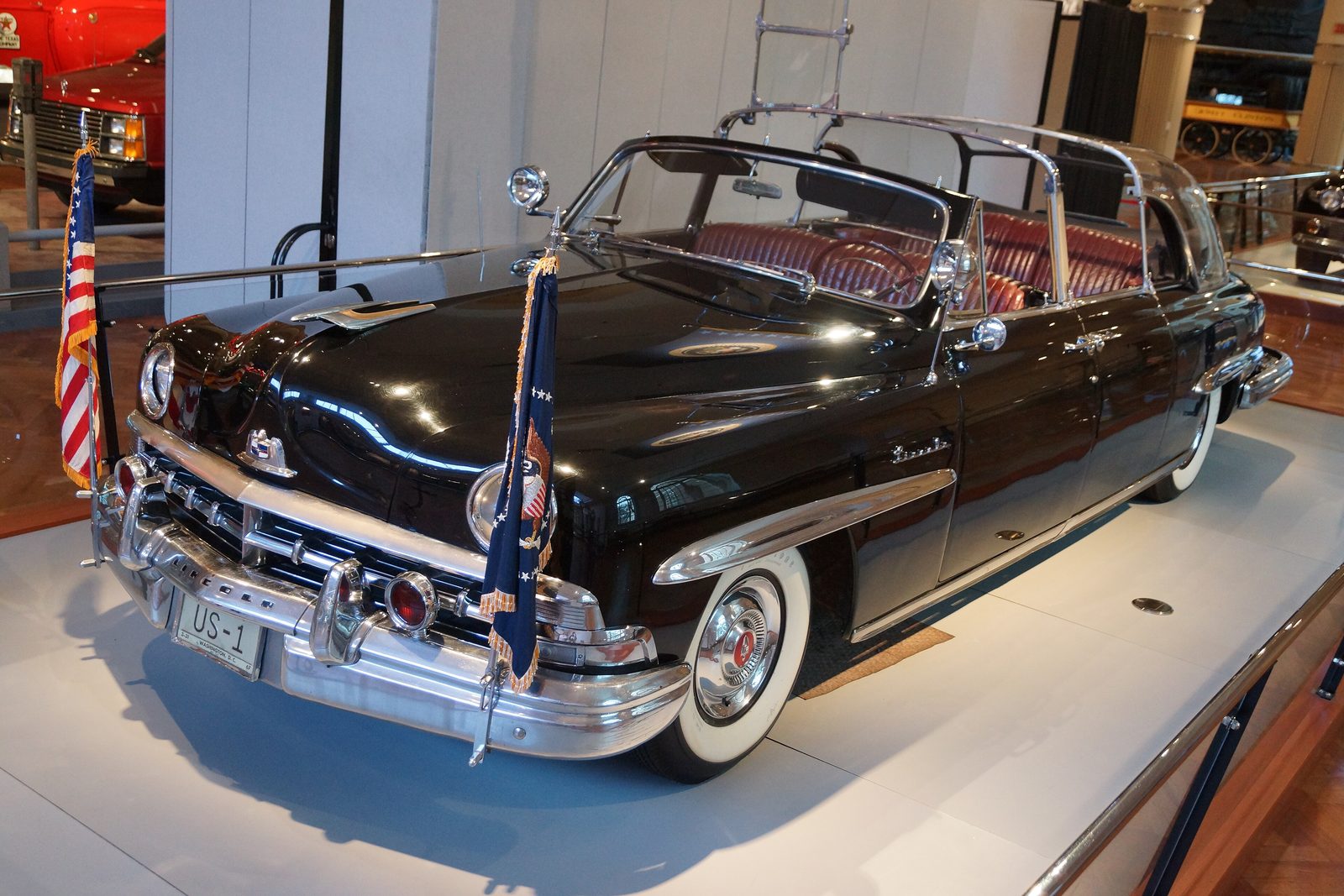
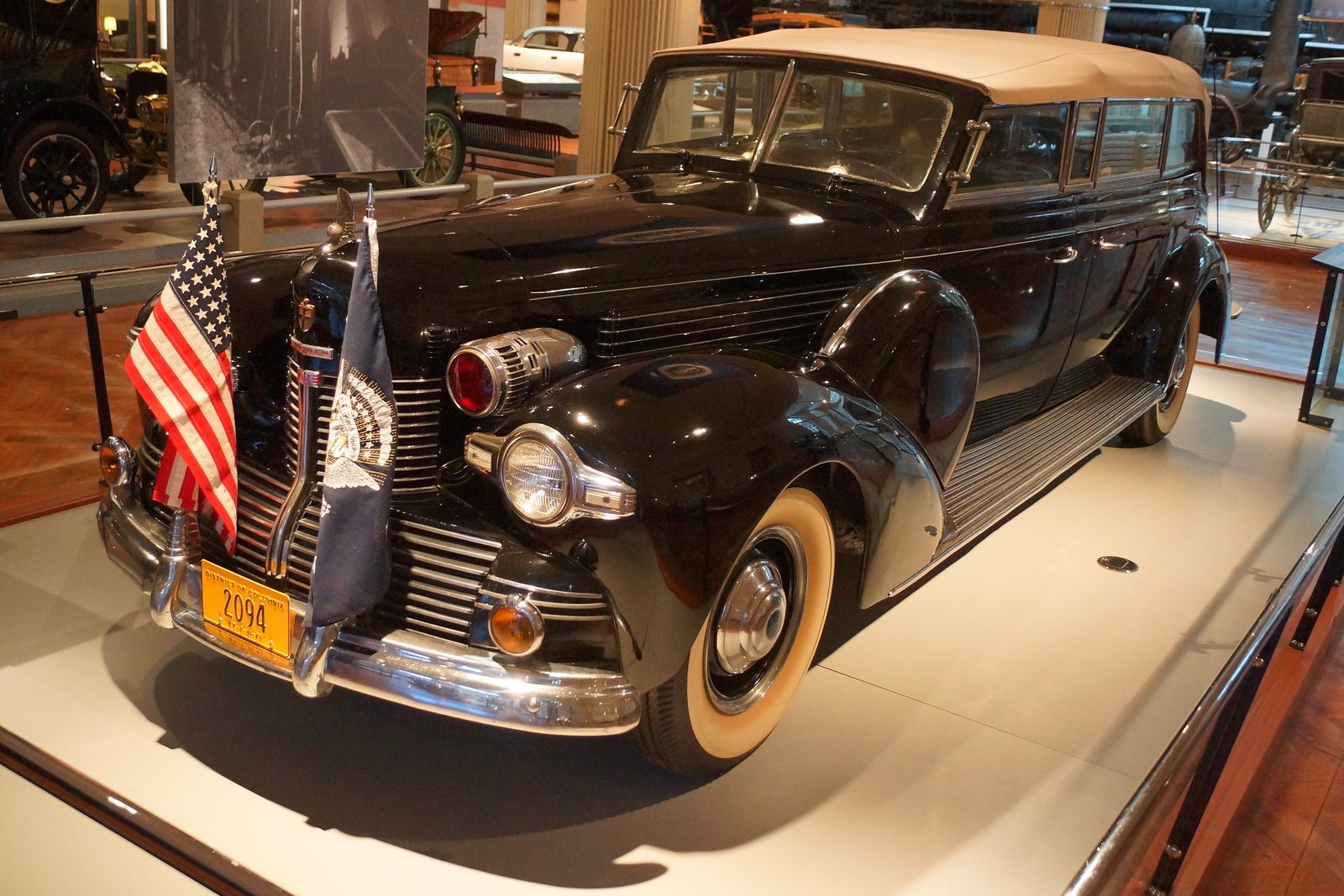
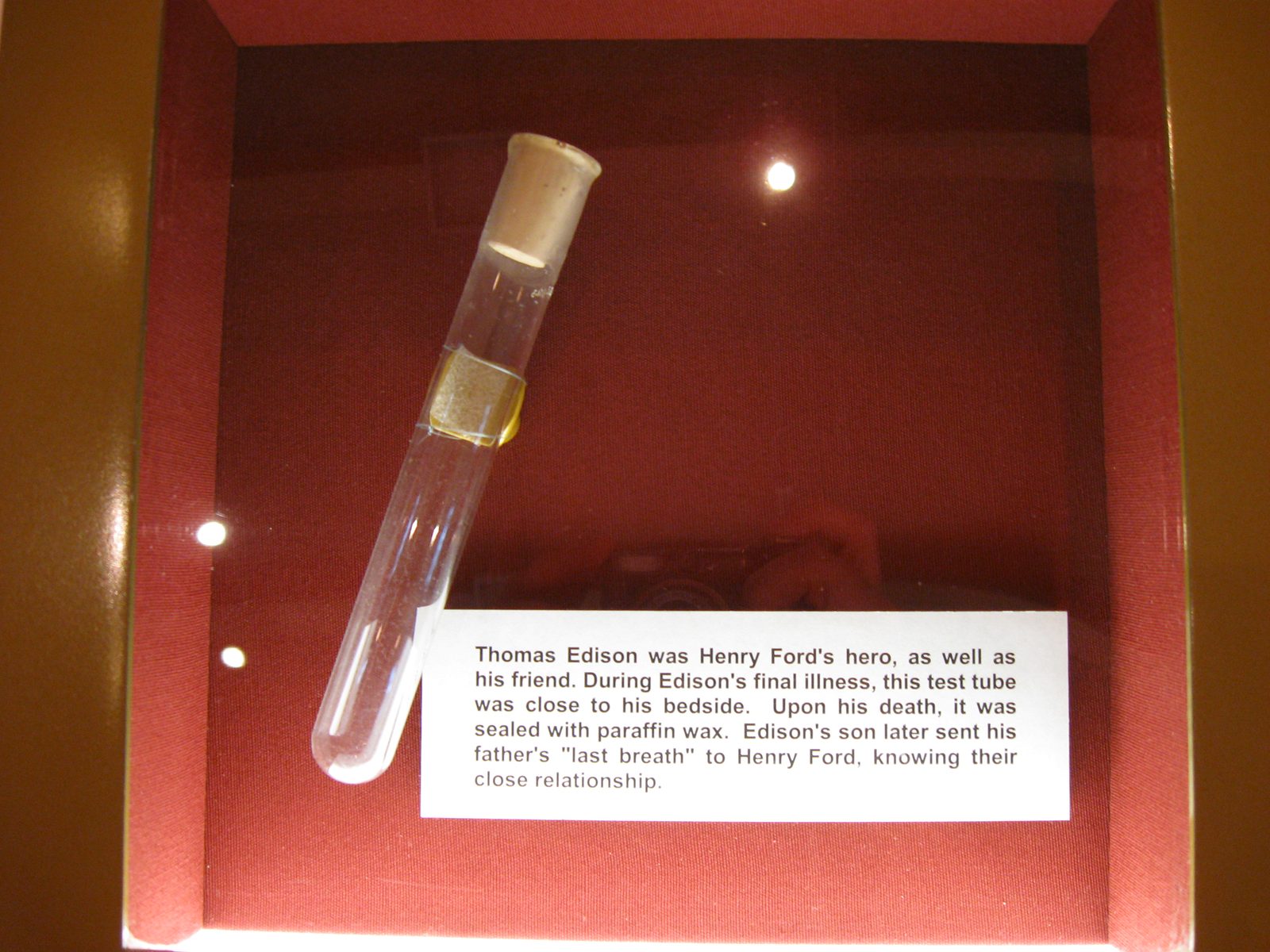
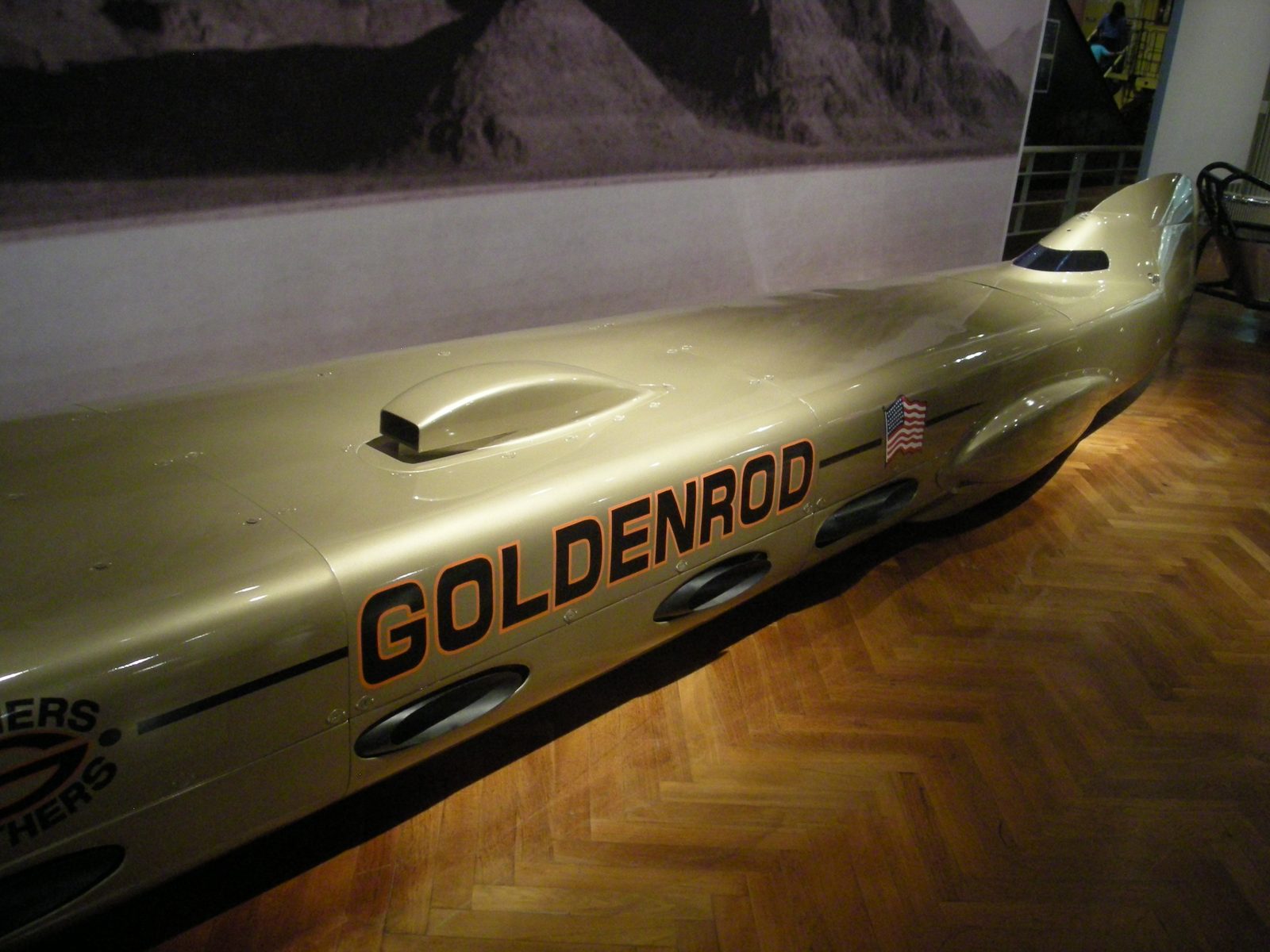
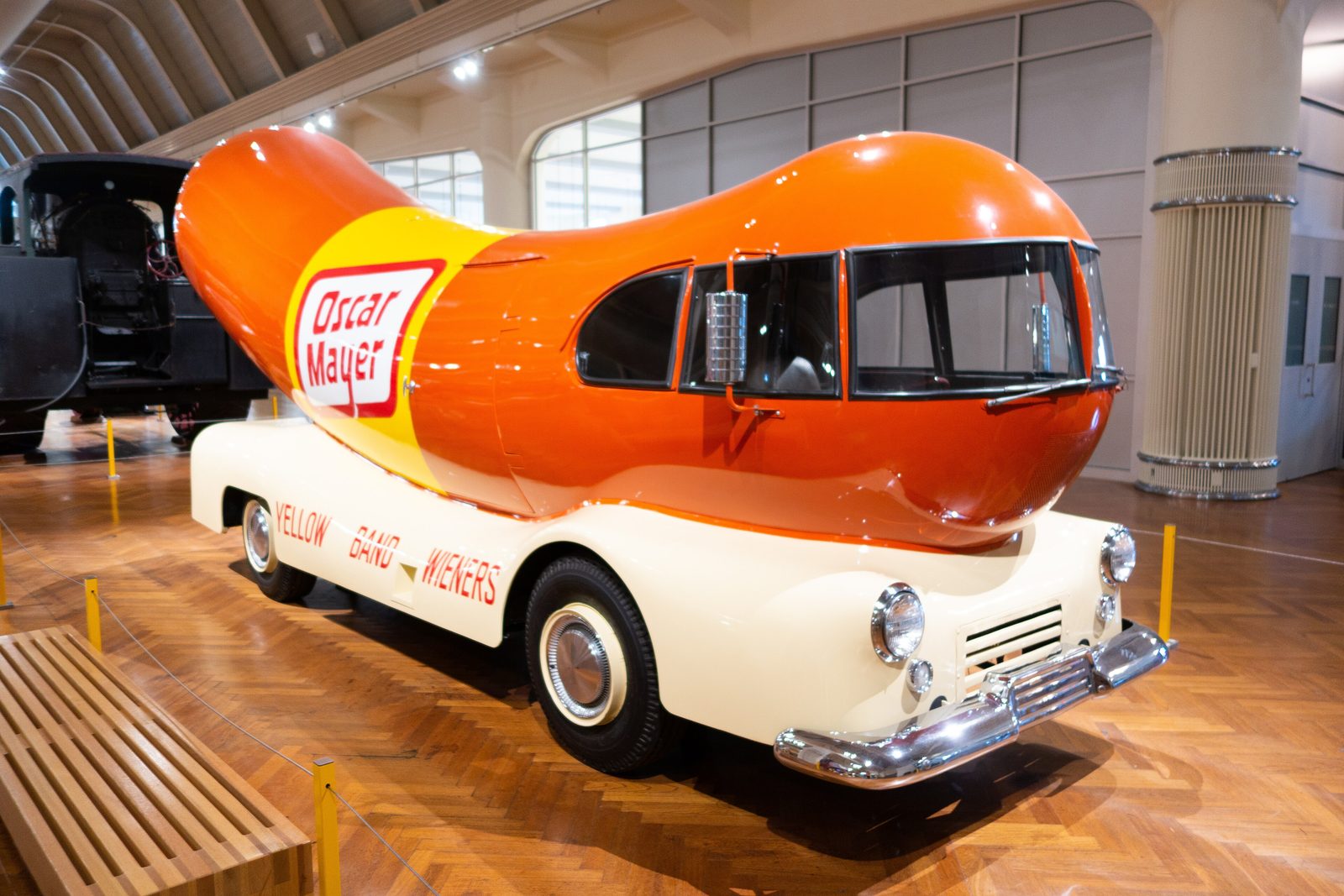
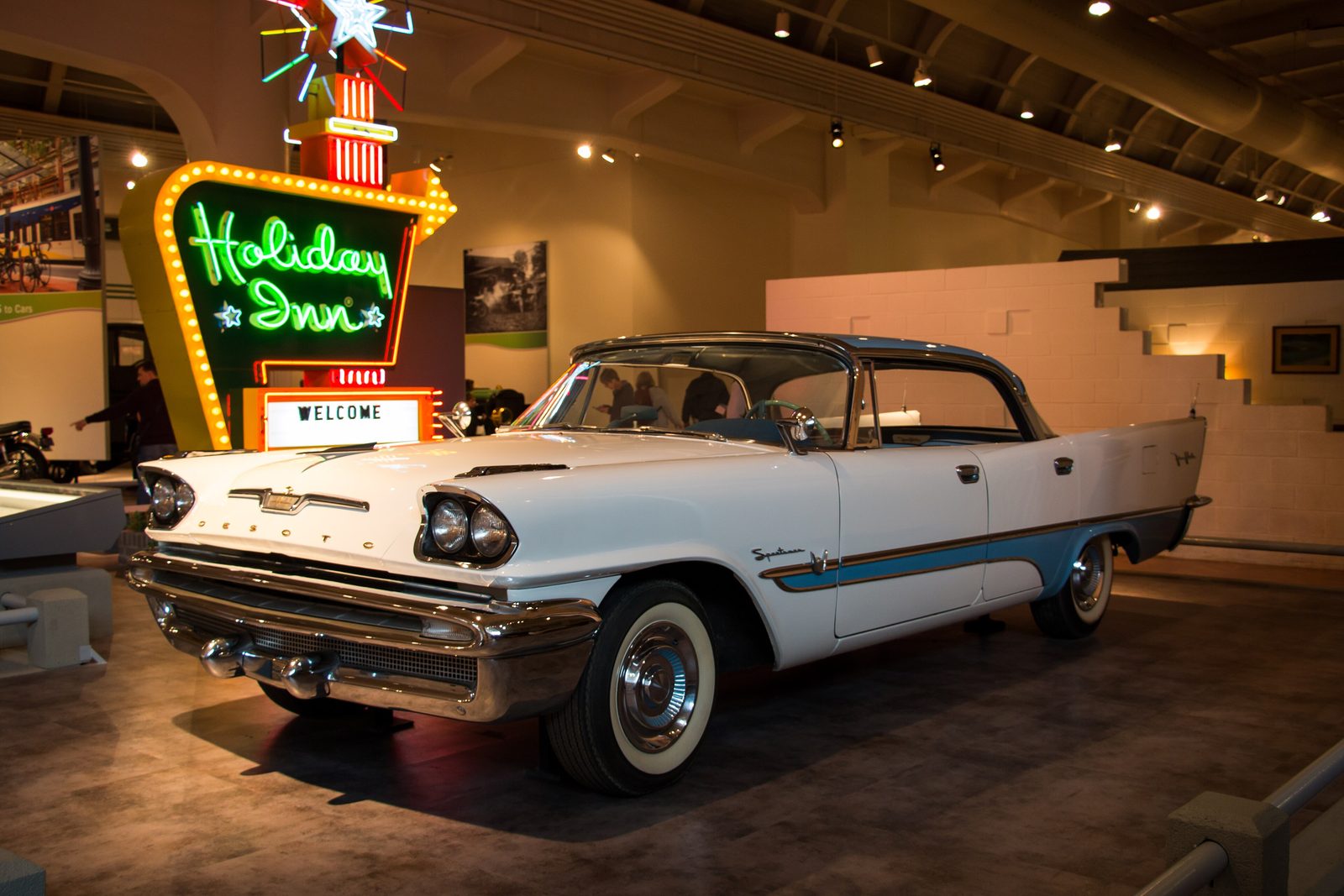
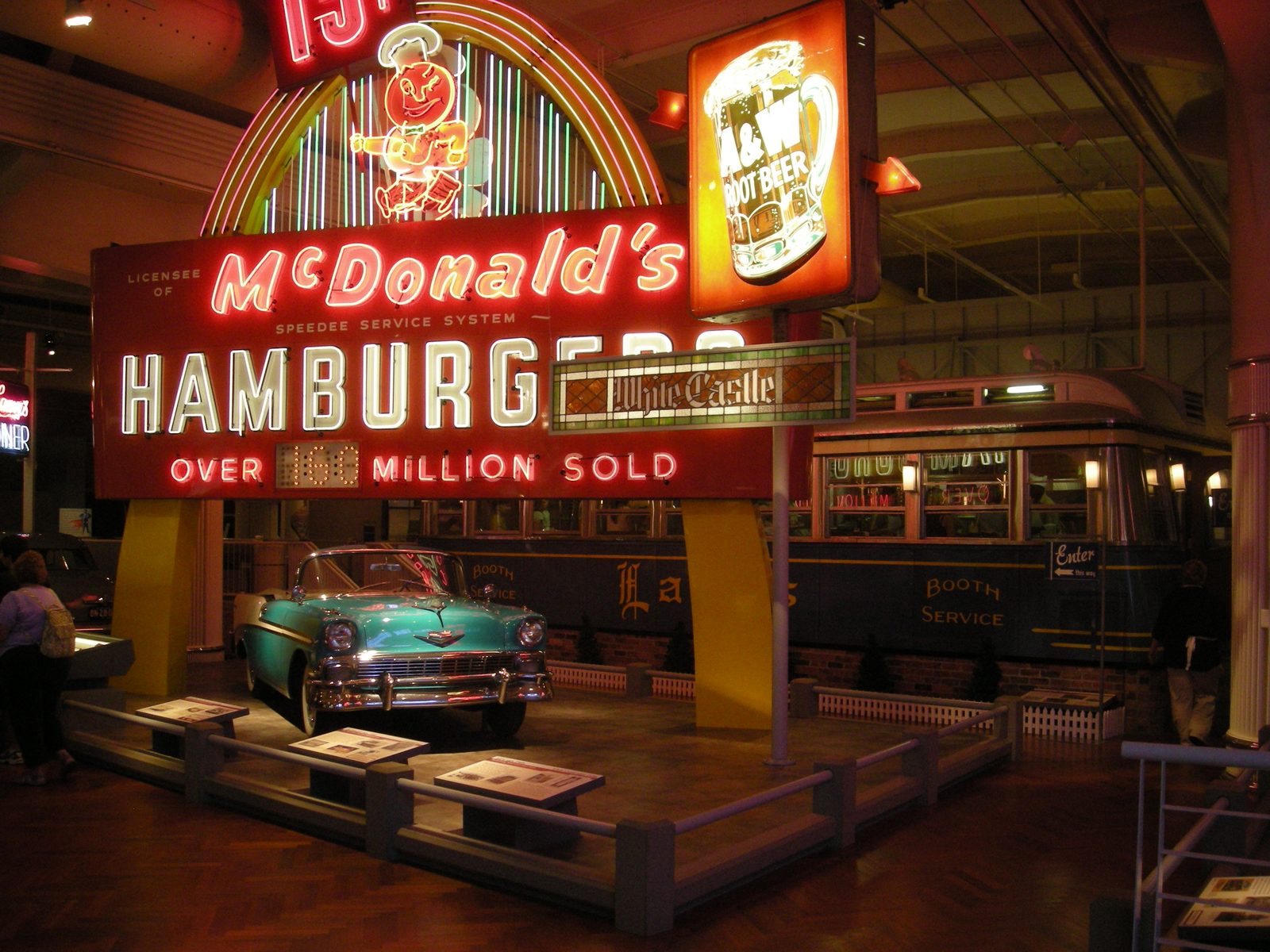
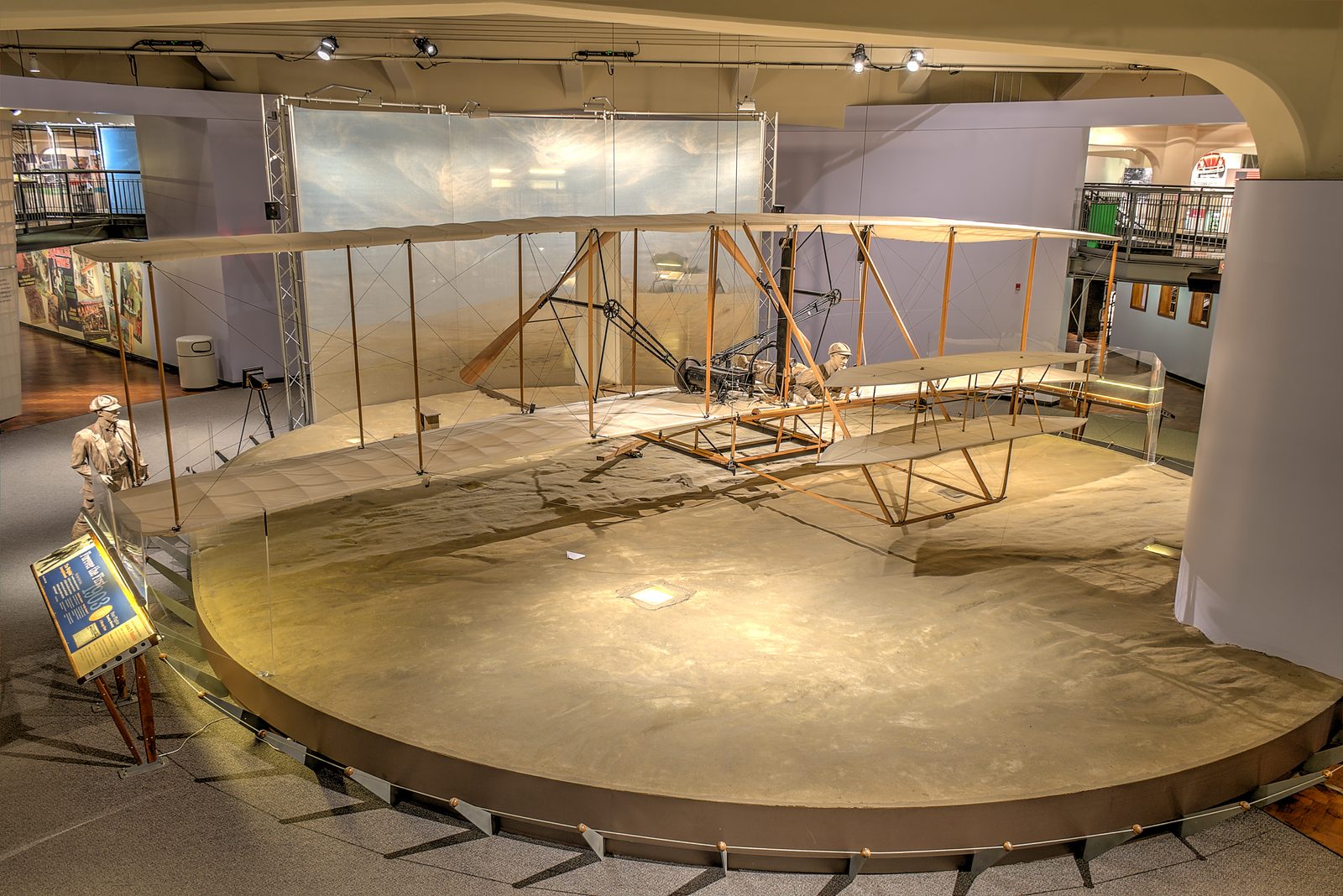
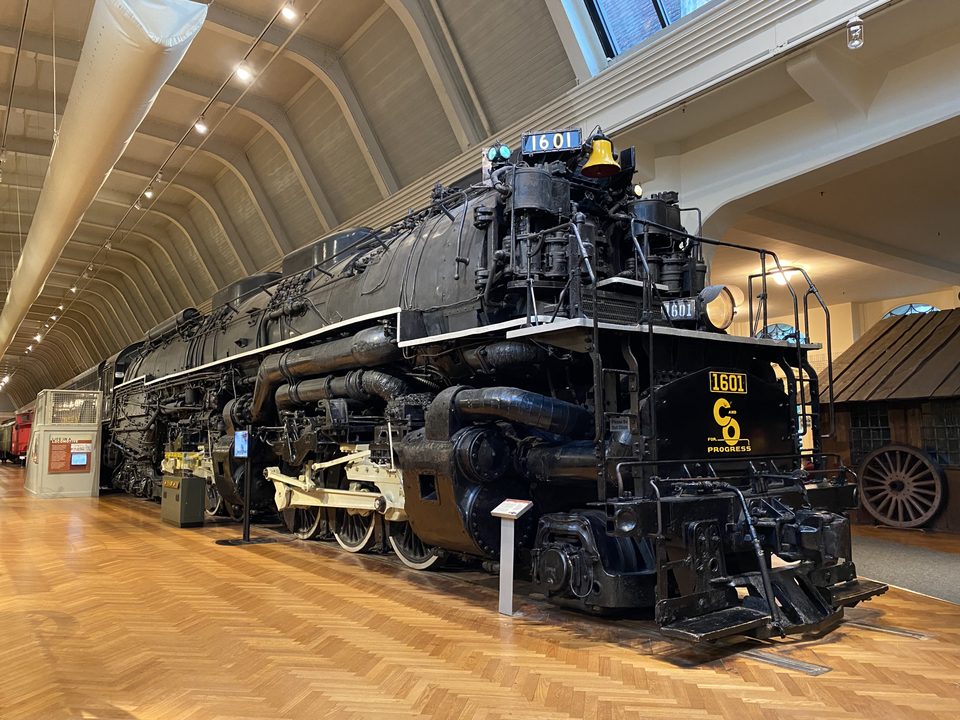
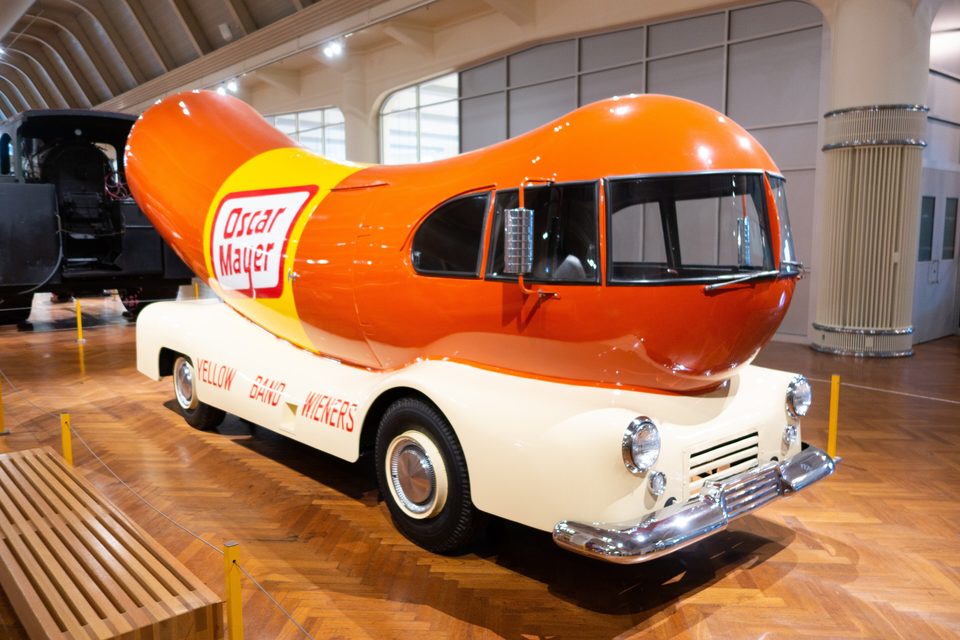
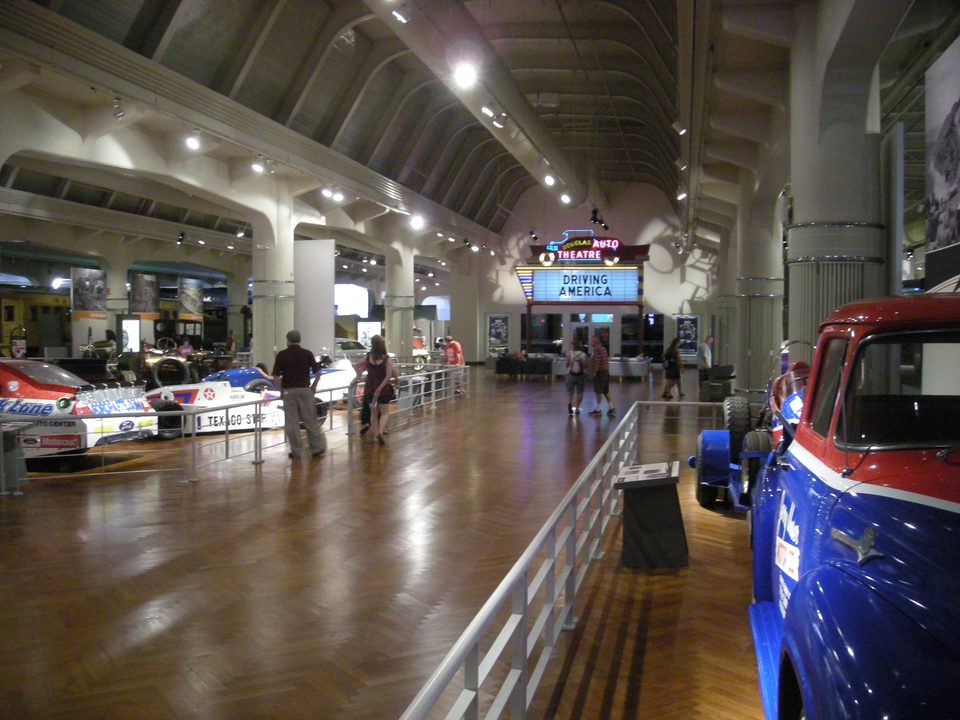
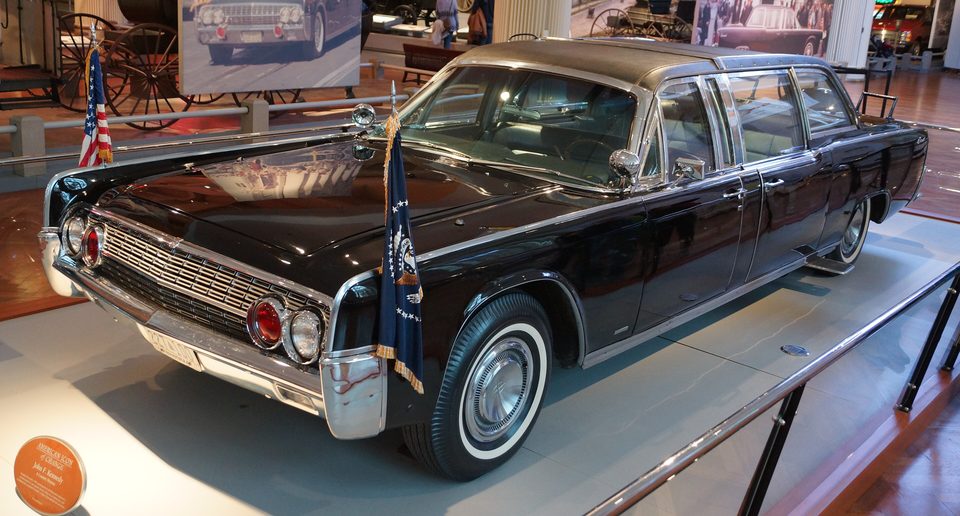
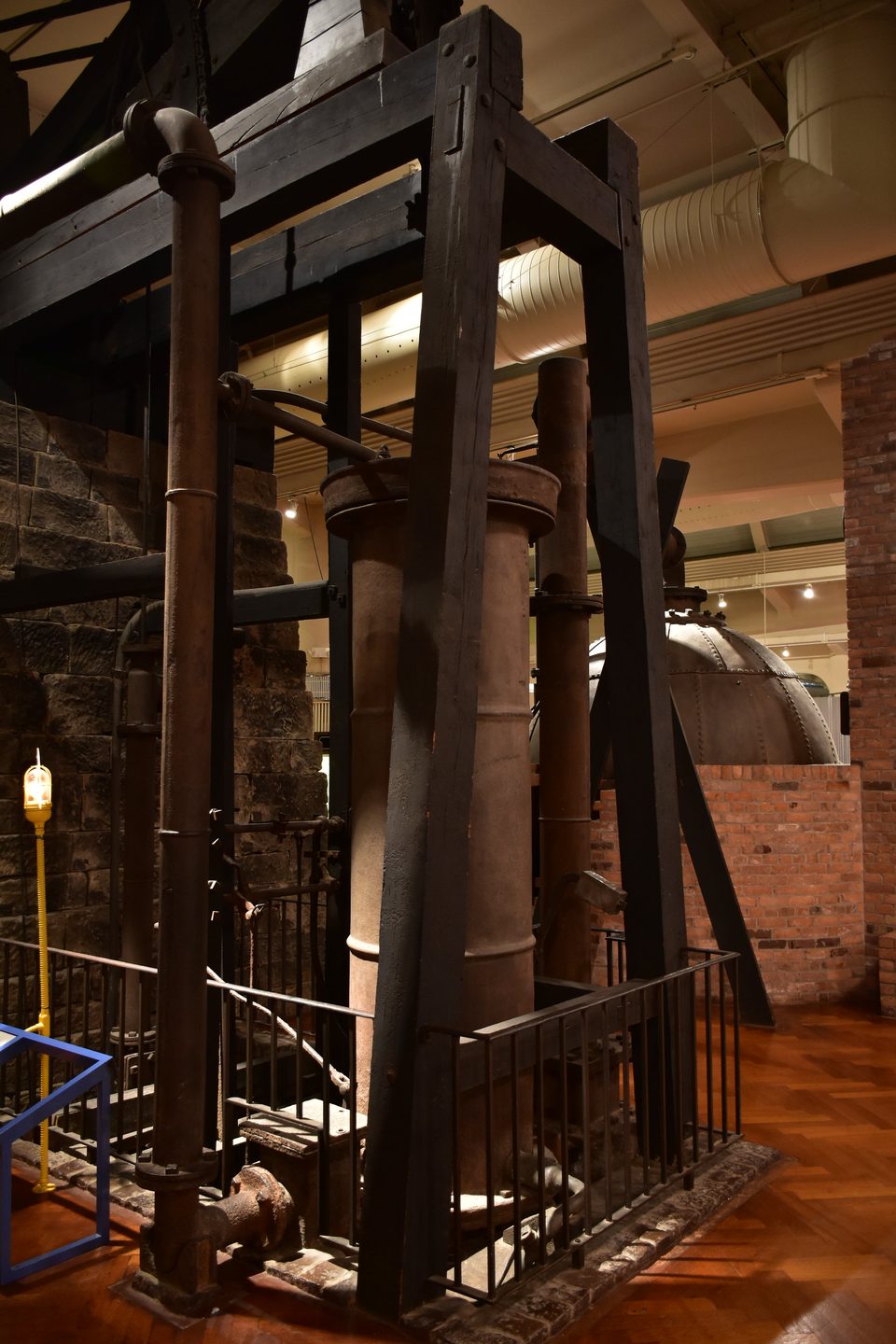
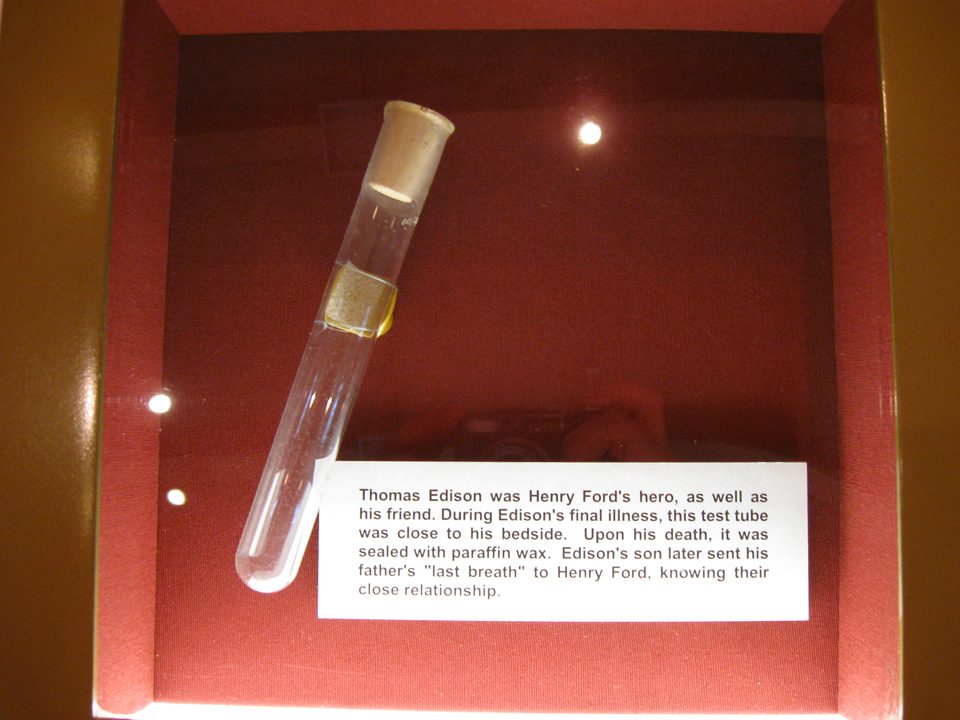
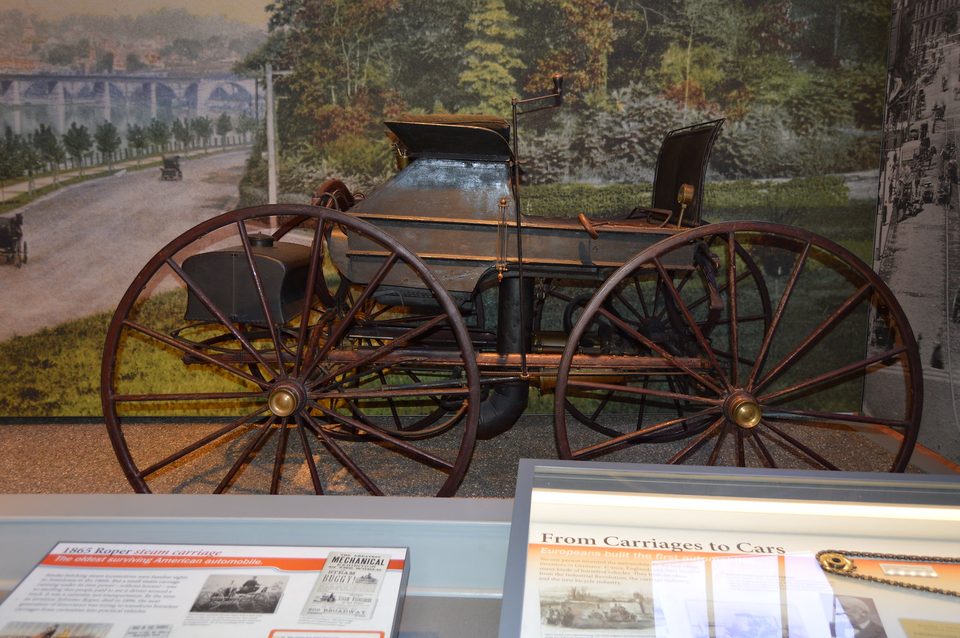
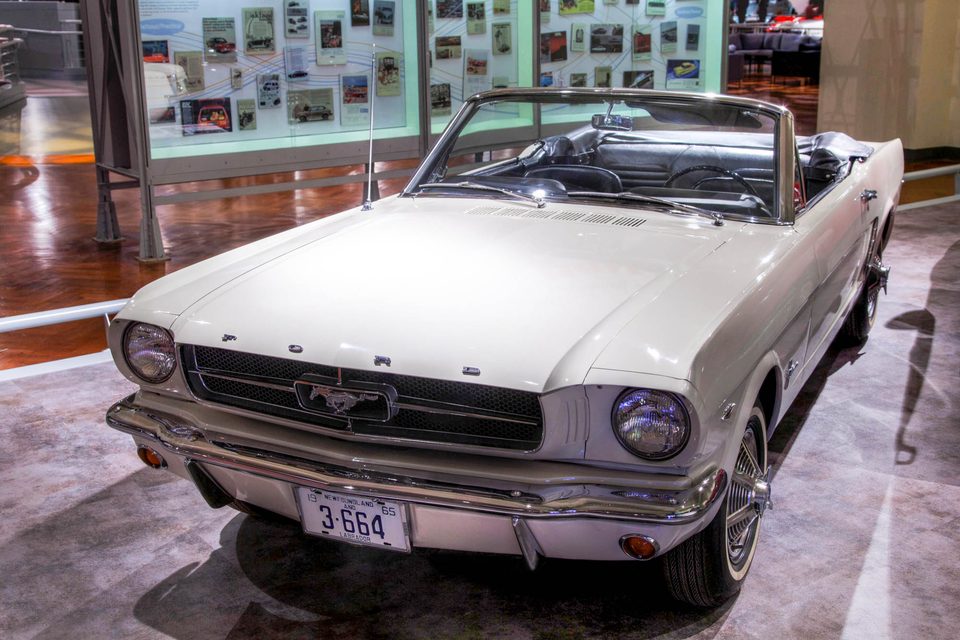
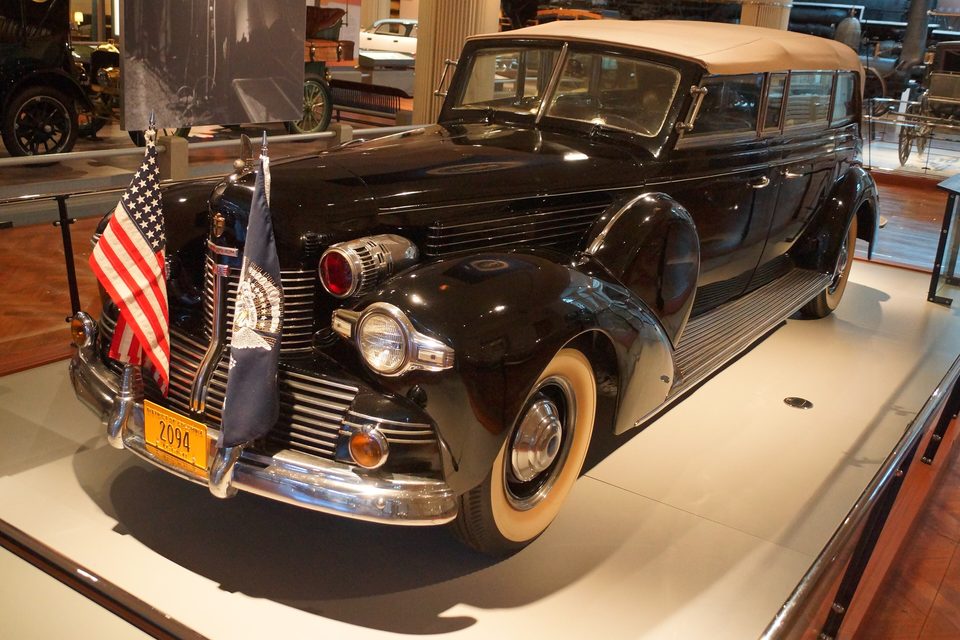
Rosa Parks’ bus, the limousine Kennedy was shot in, Edison’s last breath in a sealed test tube, and a tractor a Hungarian engineer built for Henry Ford. It’s all right here in Dearborn. Here’s what to see, when to go, and how to get there without a car.

What’s open today?

Detroit time

★ Detroit Central Market Weekend

of museum under one roof
12 acres4.9 hectares
of Greenfield Village, in seven districts
80 acres32 hectares
dedicated with Edison and President Hoover on hand
1929
people worked at the Rouge in 1929
103,000

01 / Four venues

Four venues, four tickets. Which ones do you need?

Each venue needs its own ticket. For two, the BOGO combo is the deal (second venue half off); for all four, the All-Access Package.

02 / Day picker

When should I go?

Pick a day: we’ll show what’s open, whether the Rouge line should be running, what’s on in the evening and when buses leave downtown. The village is weekends-only in the fall and closed for day visits in December.

MuseumVillageRouge factoryGiant Screen

Sunday, October 4, 2026

3 of 4 venues open

  • Museum9:30 a.m.–5 p.m.
  • Village9:30 a.m.–3 p.m.
  • Rouge factoryClosed
  • Giant Screen9:30 a.m.–5 p.m.

Evening and special events

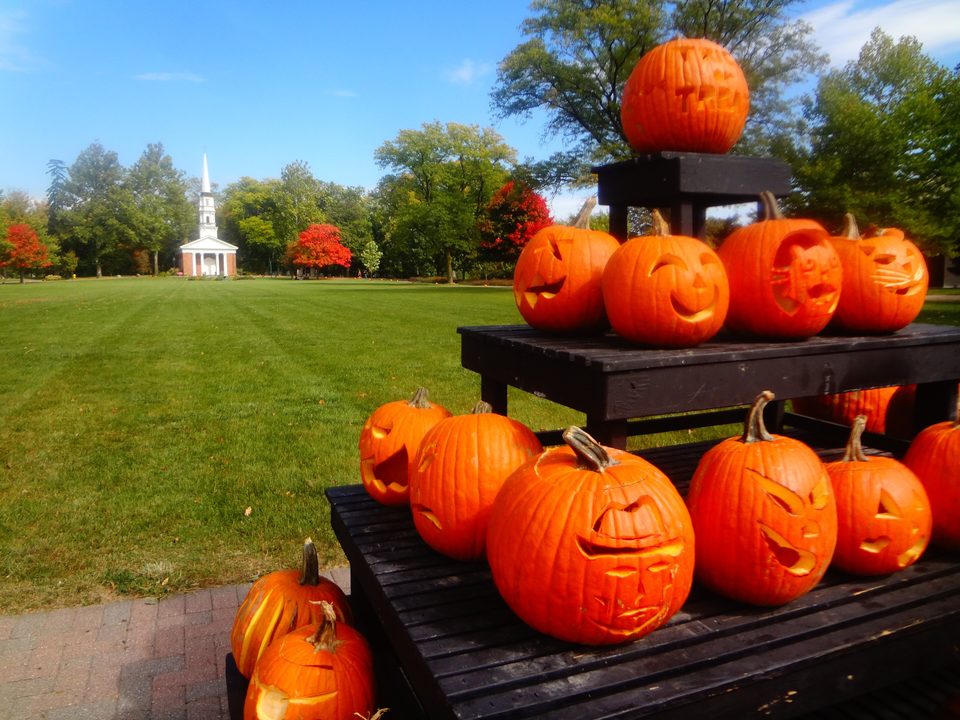
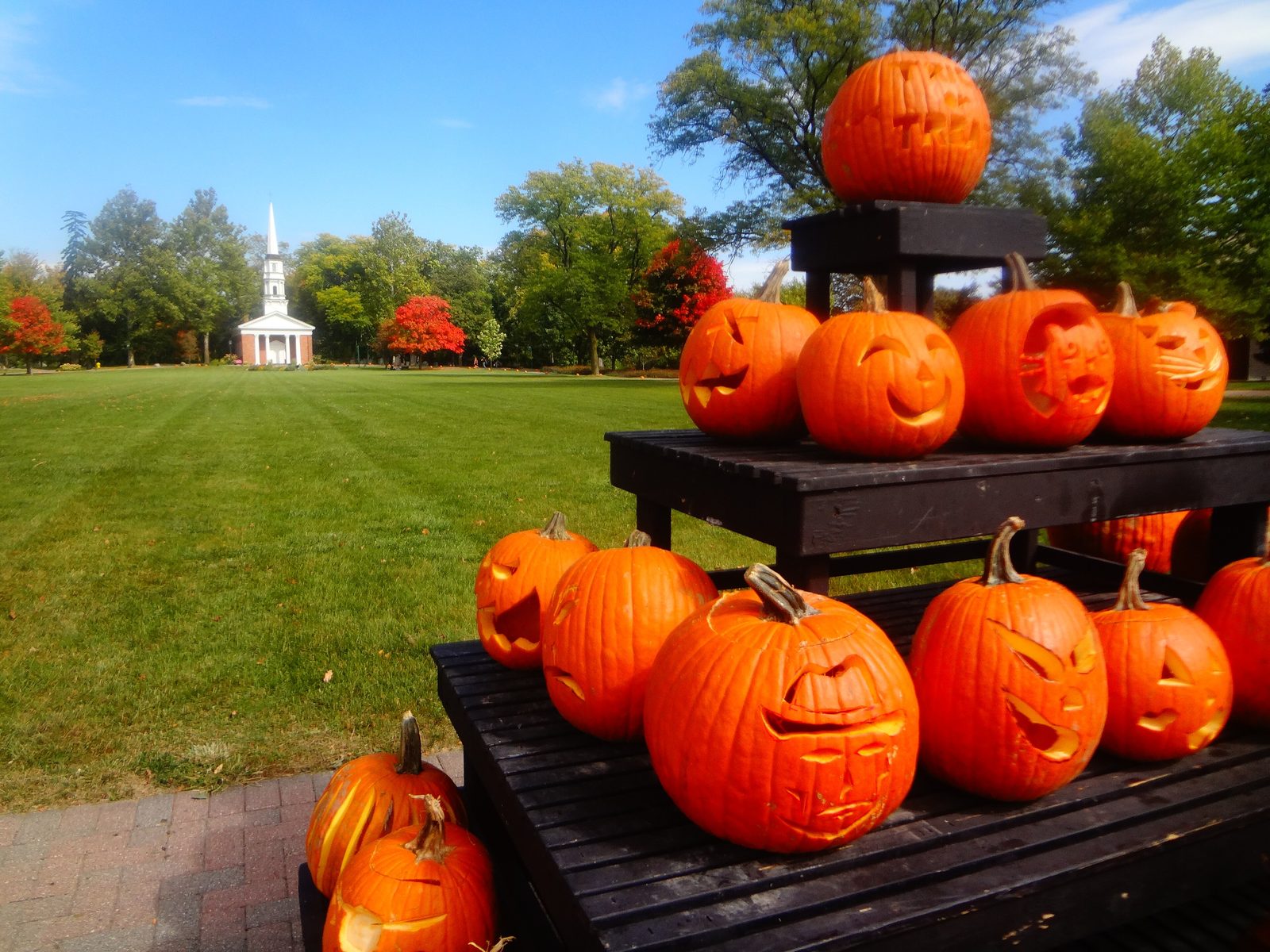
  • Hallowe’en in Greenfield Village October 1–4, 8–11, 15–18 and 22–25, 2026, 6–9:30 p.m.
  • The village closes at 3 p.m. during the Hallowe’en season.
  • The Rouge tour is closed on Sundays.
  • Bank of America Museums on Us: free museum admission for Bank of America cardholders.

Bus from downtown (FAST 261, Washington & Lafayette)

  • 7:21 a.m.→ 7:50 a.m.
  • 8:20 a.m.→ 8:51 a.m.
  • 9:19 a.m.→ 9:49 a.m.
  • 10:10 a.m.→ 10:45 a.m.
  • 11:10 a.m.→ 11:45 a.m.
  • 12:11 p.m.→ 12:46 p.m.

last bus back downtown: 10:18 p.m.

Amtrak: Detroit 9:35 → Dearborn 9:51 (current timetable)

03 / Objects

What can’t you miss in the museum?

Twenty-four objects worth the trip, all on display, with the hall they’re in. Tap one for the full story.

04 / The Hungarian thread

What does a small Hungarian town have to do with the Model T?

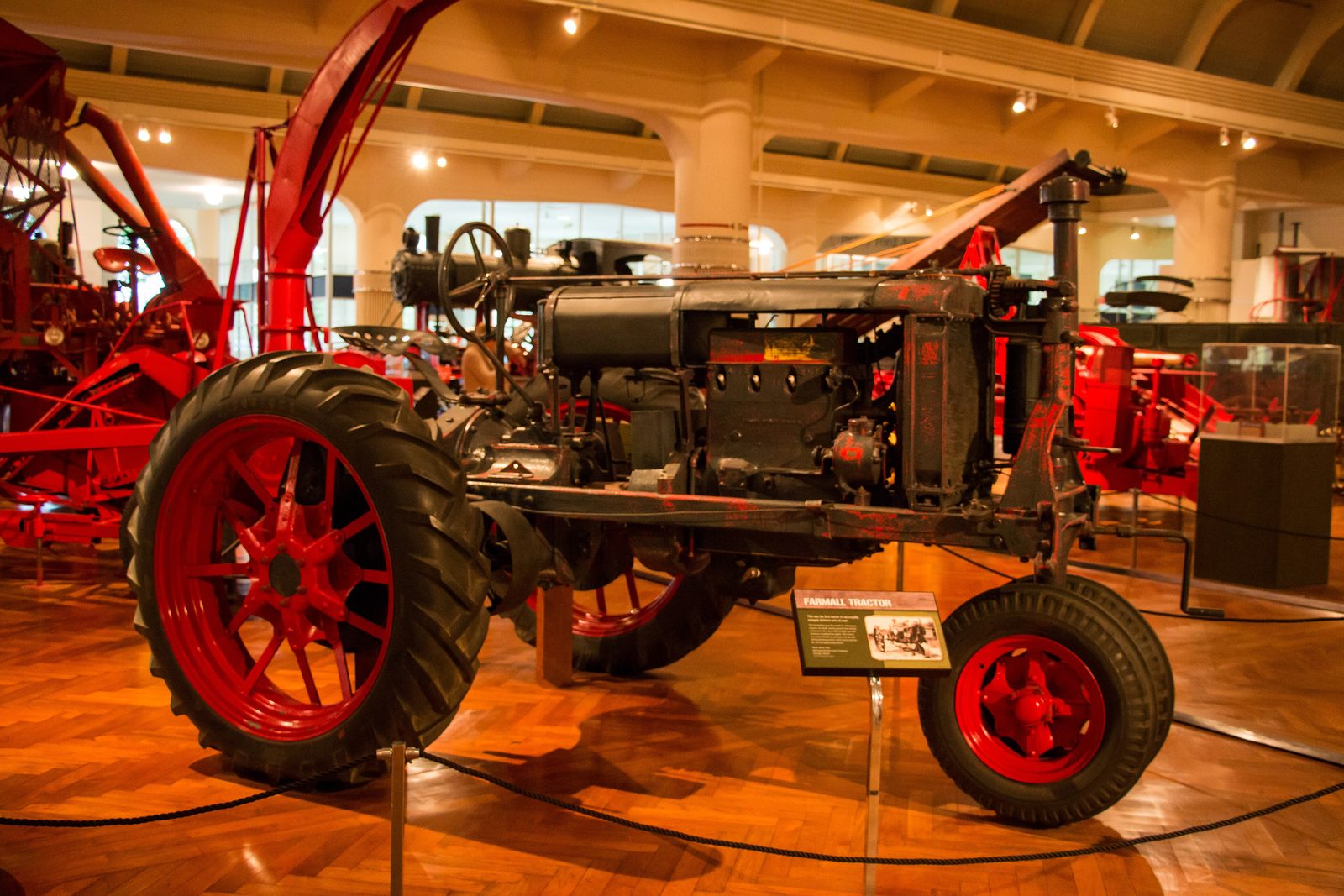
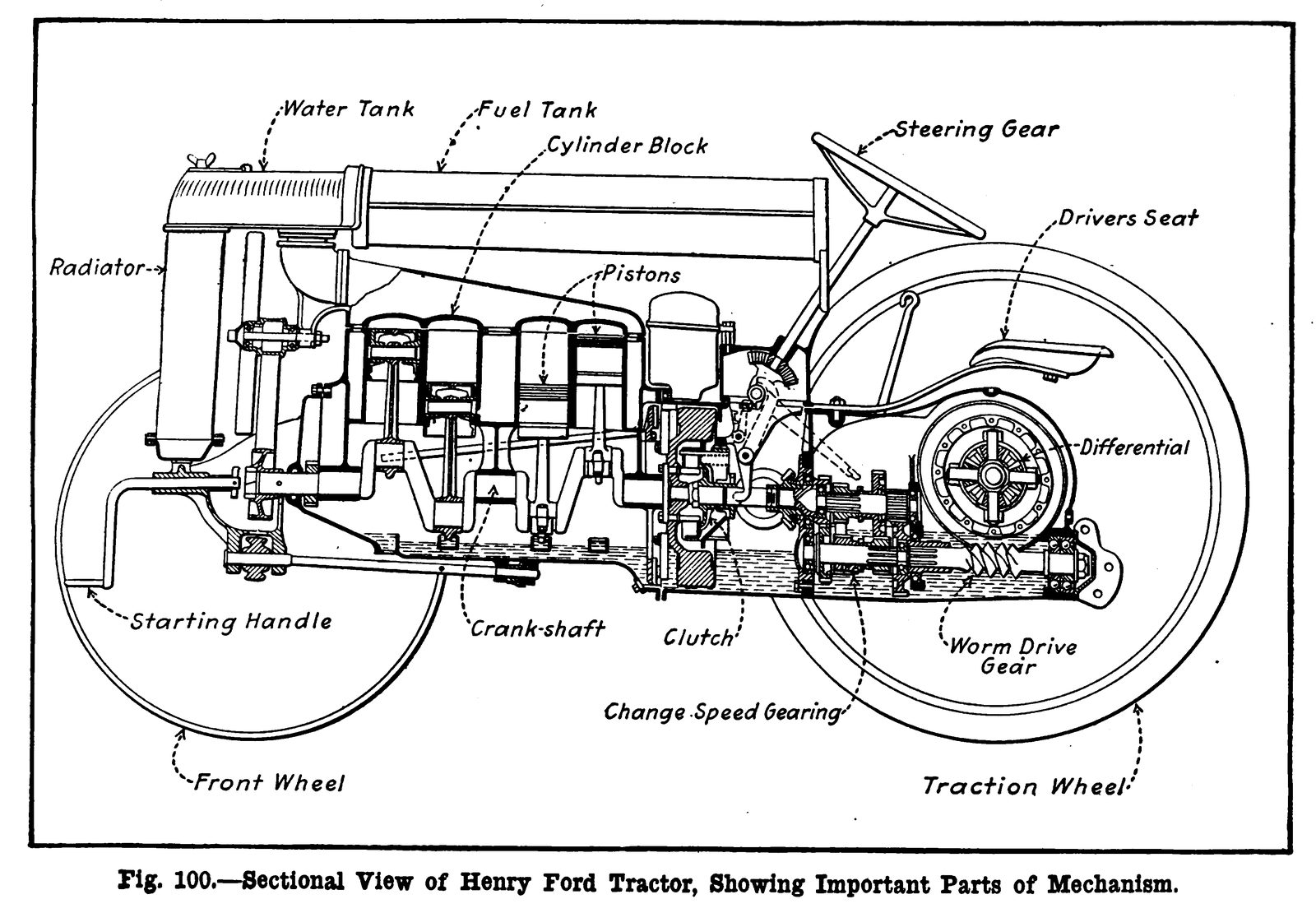
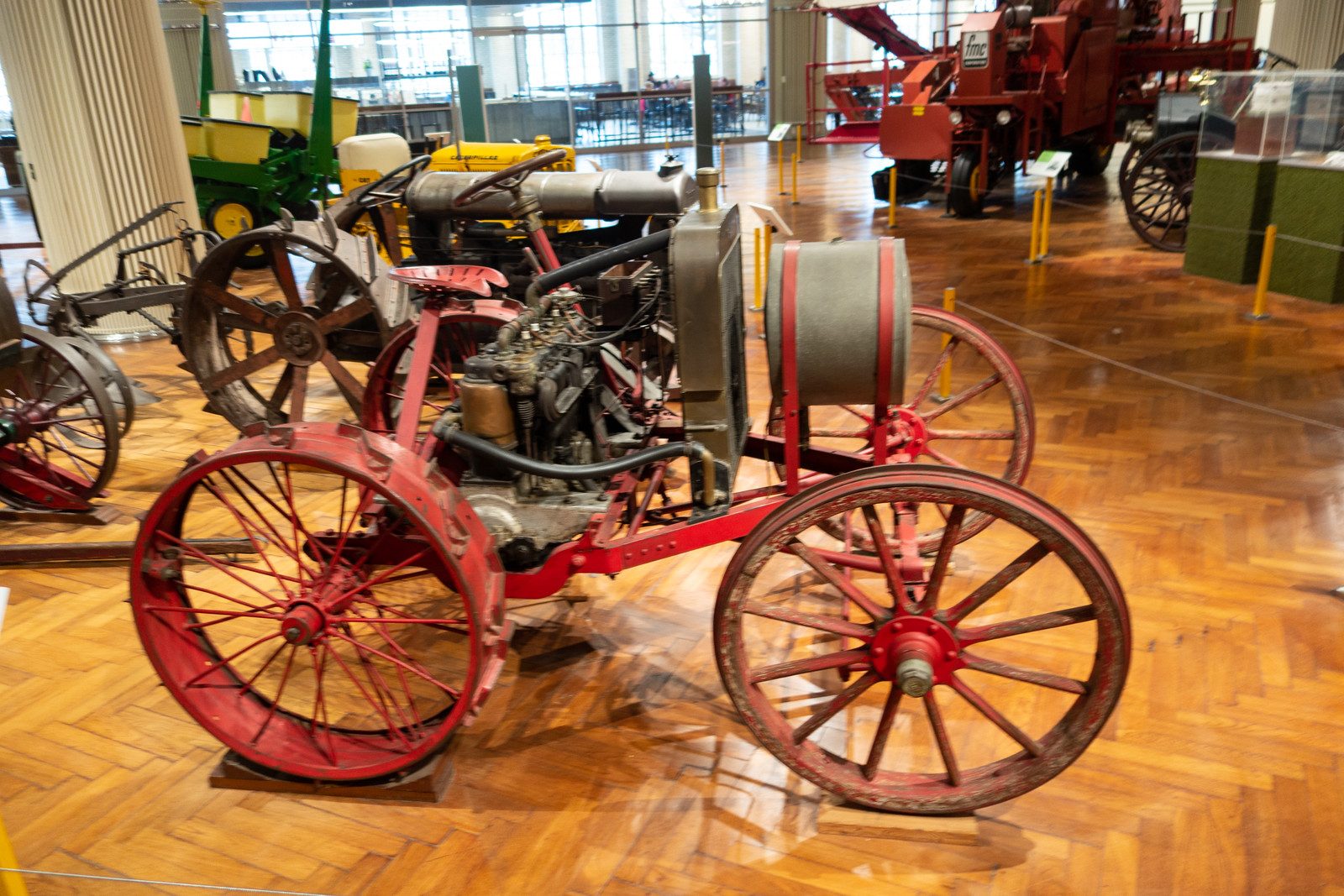
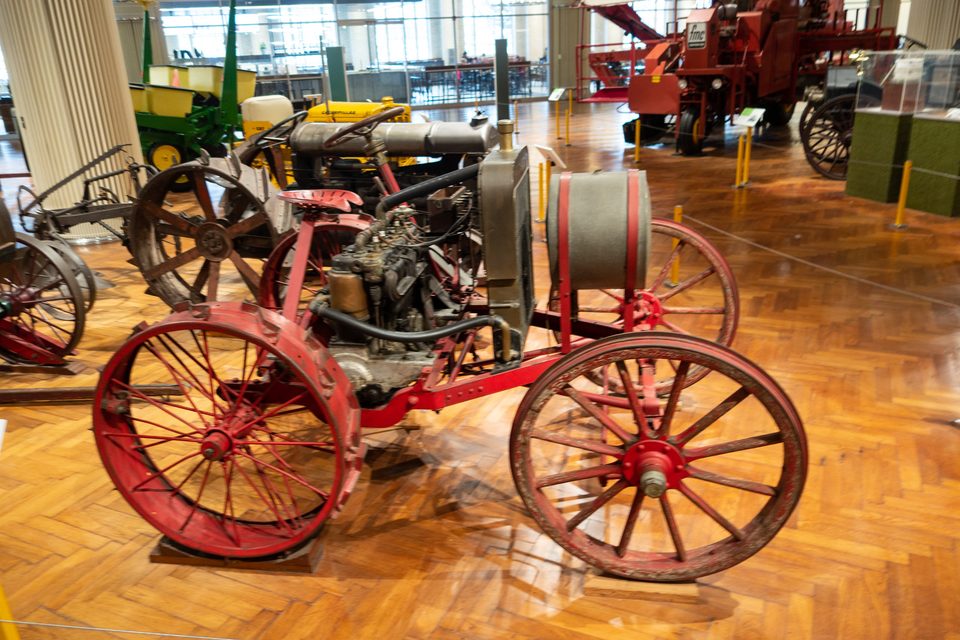
More than you’d think. Henry Ford, C. Harold Wills and a young engineer from Makó, Joseph Galamb, shut themselves in a secret experimental room at the Piquette Avenue Plant for nine months and designed the Model T. The Fordson tractor was developed under Eugene Farkas, an engineer from western Hungary. Galamb’s experimental tractor is still on display in the museum.

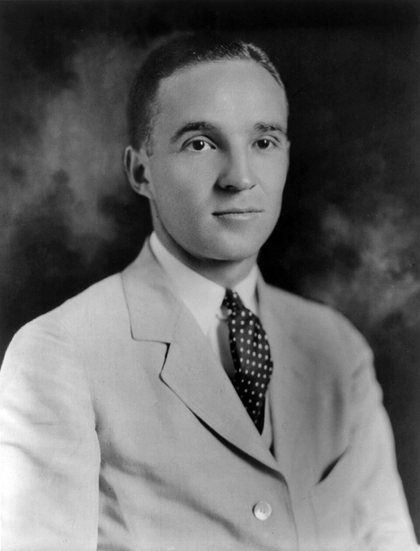
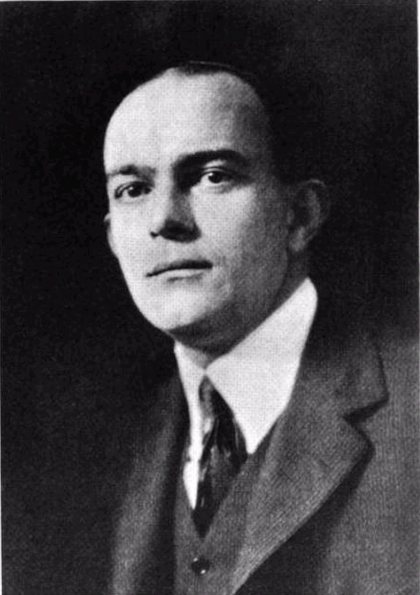
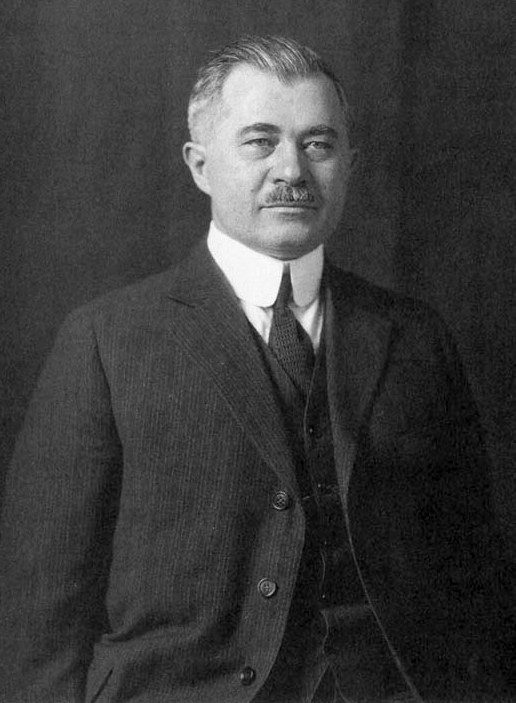
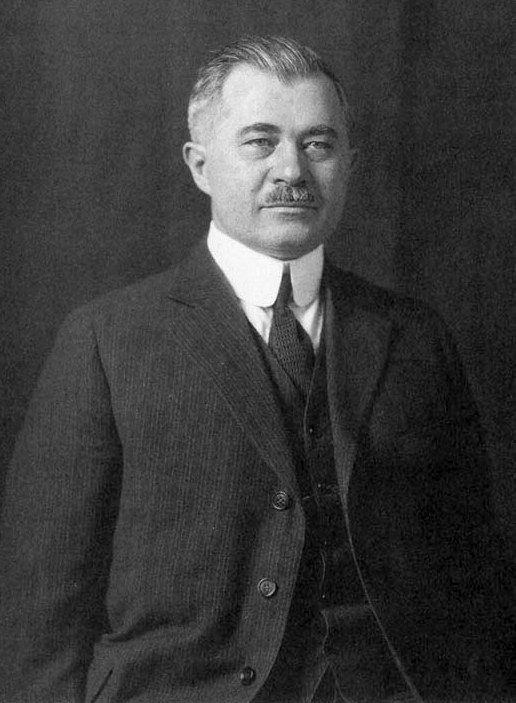
Portrait of József Galamb

Joseph A. Galamb (Galamb József)

Makó, Hungary, February 3, 1881 – Detroit, December 4, 1955

  • Trained in Szeged, then at the Budapest State Higher Industrial School, a predecessor of today’s Óbuda University.
  • Drafted at the Diósgyőr ironworks, assembled engines at Adler in Frankfurt, and came to America in 1903.
  • Joined Ford as a draftsman in December 1905 and became chief designer after reworking the Model N’s cooling system.
  • He’s usually named as the Model T team’s lead draftsman and engineer; the Encyclopedia of World Biography credits him with the clutch, transmission, drive shaft and differential.
  • Afterward he worked on tractors, experimental engines and the Model A, retiring in 1944 after 39 years with Ford.
  • Asteroid 132824 Galamb is named after him.
“He liked to see a model working first. He didn’t like to go just by the blueprint.” Joseph Galamb on Henry Ford

Unknown author · Public domain
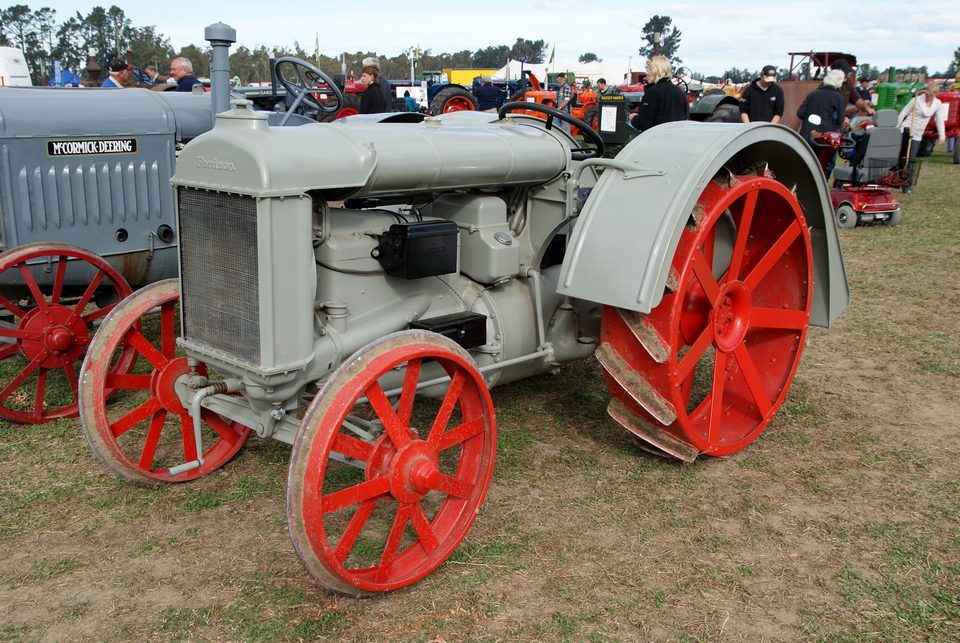
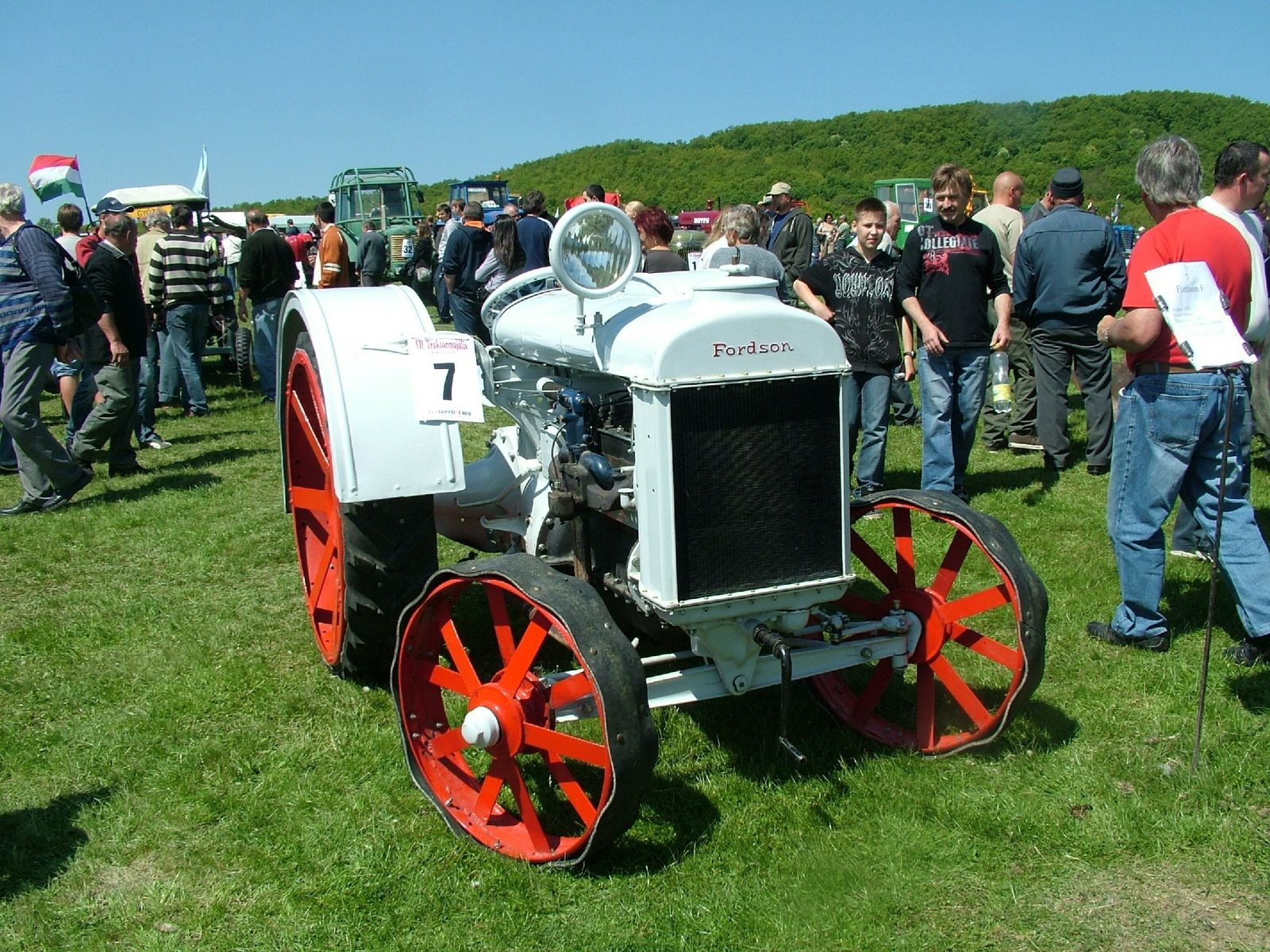
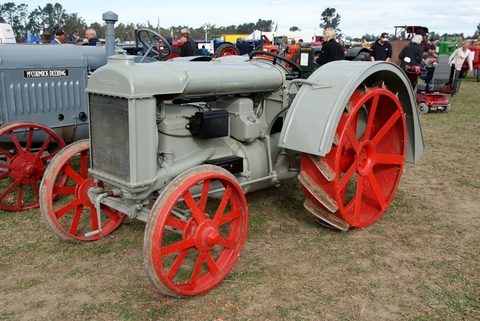
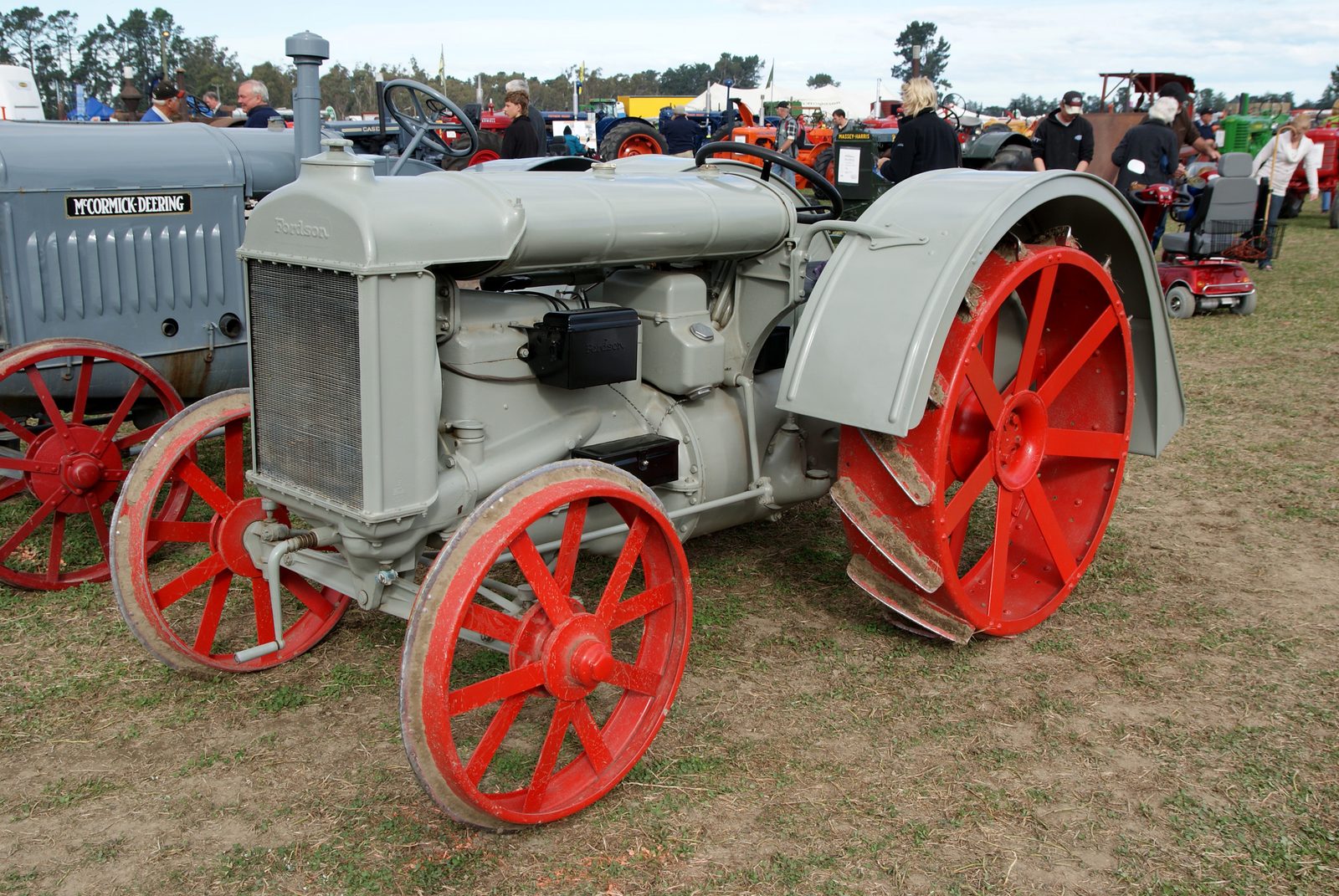
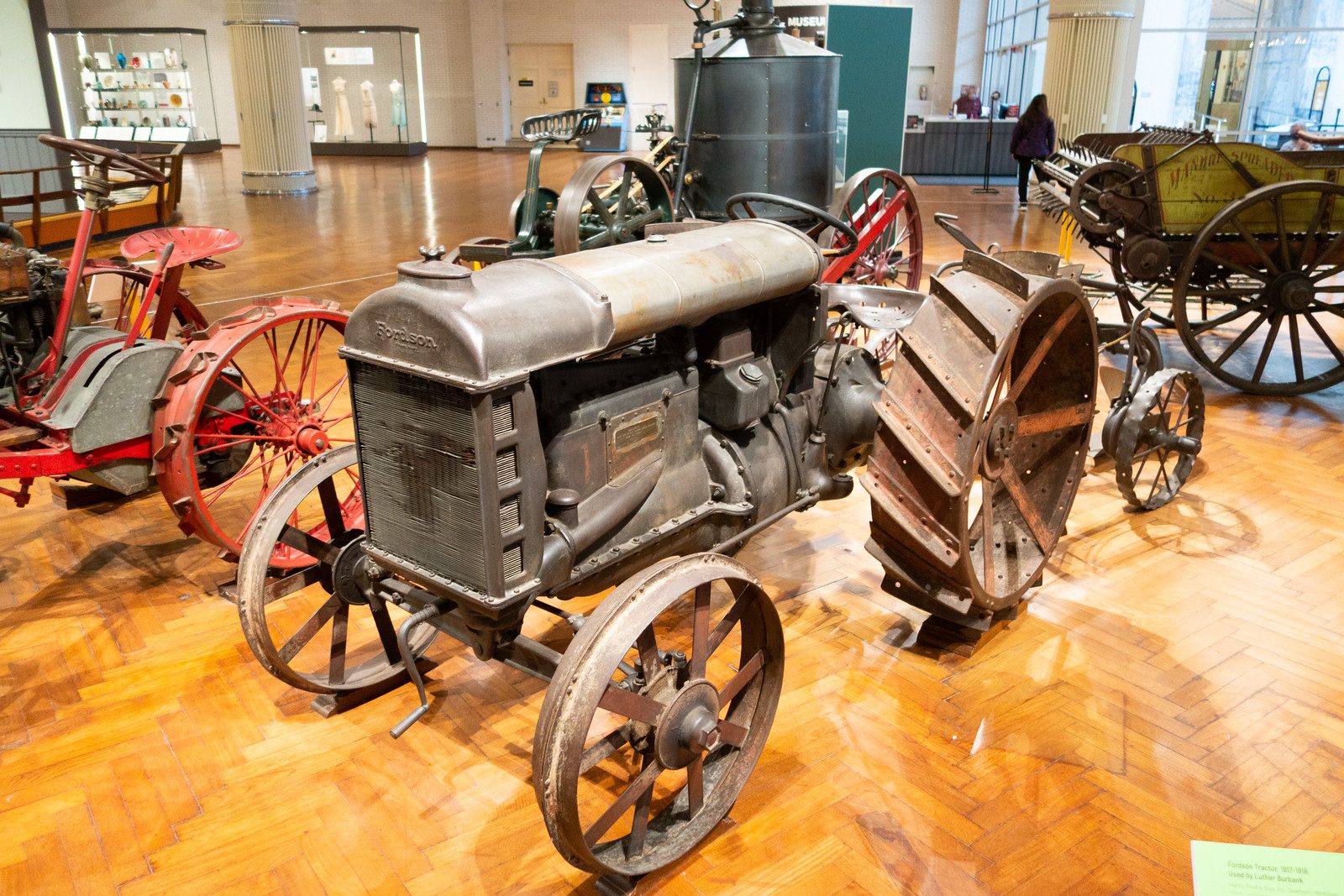
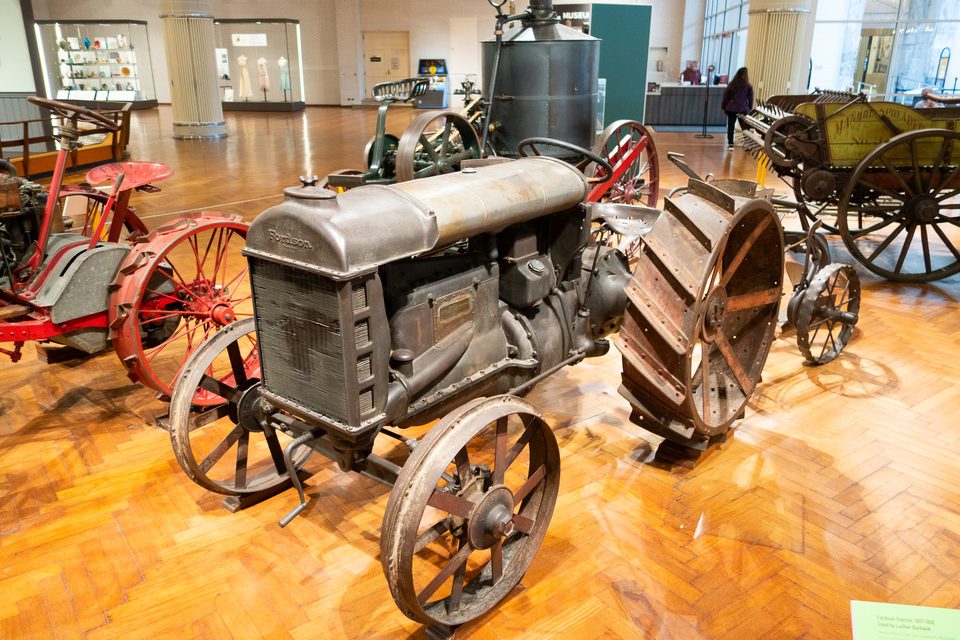
A 1927 Fordson F tractor; its frameless design is linked to Hungarian-born engineer Eugene Farkas (Farkas Jenő) (photo: 2010)Illustration

A 1927 Fordson F tractor; its frameless design is linked to Hungarian-born engineer Eugene Farkas (Farkas Jenő) (photo: 2010)

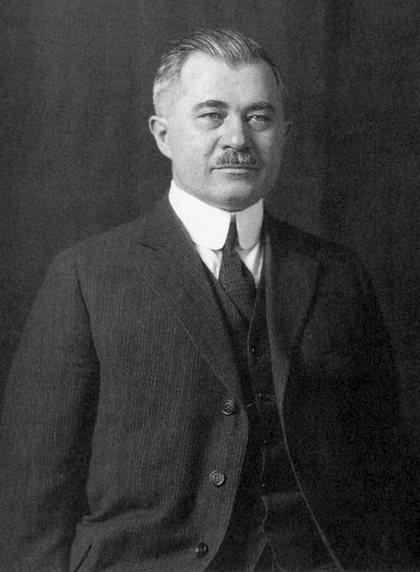
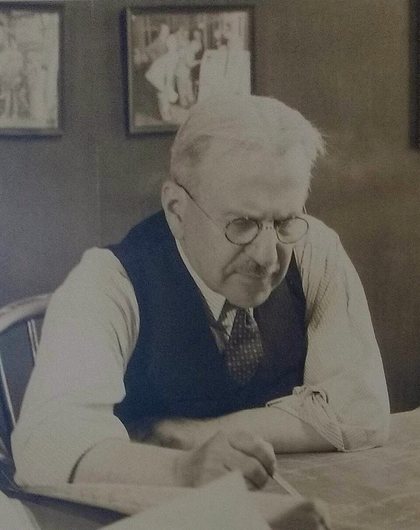
Eugene J. Farkas (Farkas Jenő)

Káld, Hungary, 1881 – February 24, 1963

  • Took his mechanical engineering degree in 1904 at the Royal Joseph Technical University in Budapest.
  • Emigrated in 1906, knowing, per Wikipedia, just 17 words of English.
  • Worked on Model T tools and fixtures in 1908 and ran Ford’s experimental drafting room from 1913.
  • Chief engineer for tractor development from October 1, 1915. He convinced Sorensen that the Fordson’s castings could carry the load with no steel frame.
  • Later worked on the Model A chassis, experimental engines and B-24 bombers, retiring in 1947.
  • He is buried at Forest Lawn Cemetery in Detroit.

Bernard Spragg. NZ from Christchurch, New Zealand · CC0

What can you actually see?

  • Galamb’s experimental tractor (circa 1907) and Luther Burbank’s Fordson stand near each other in the museum’s Agriculture and the Environment area.
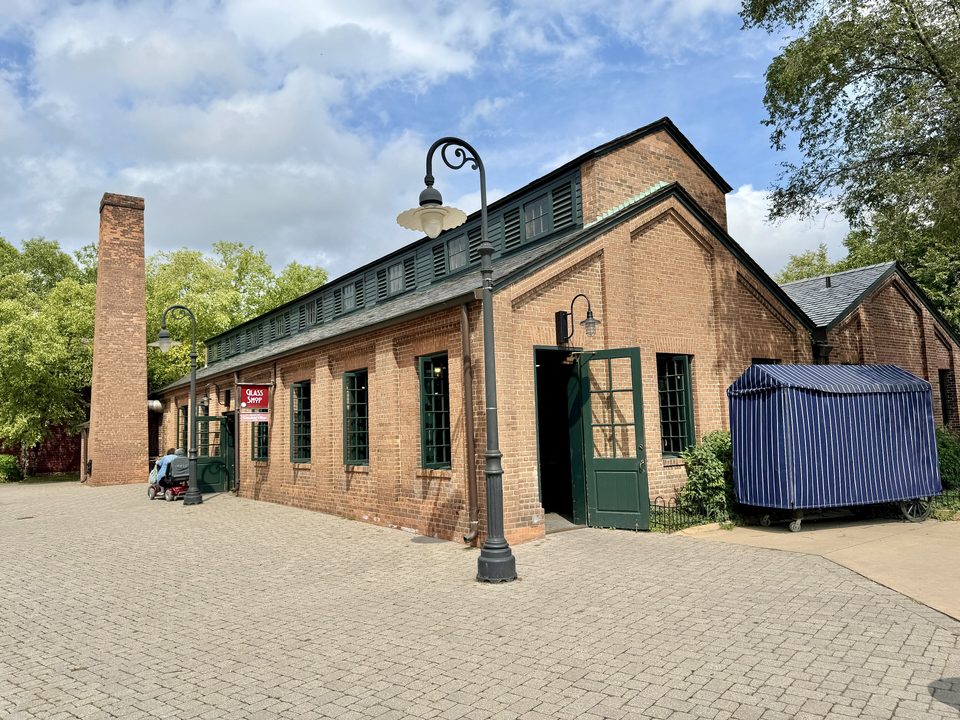
  • Kossuth flasks from 1850 to 1855, pressed “LOUIS KOSSUTH”: in the village’s Davidson-Gerson Gallery of Glass.
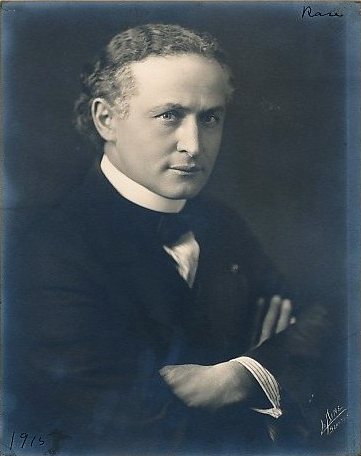
  • By request at the Benson Ford Research Center: Galamb’s portrait from about 1915 and a 1943 lab photo, Farkas in the Piquette drafting room in 1908, a portrait of Ganz engineers Déri, Zipernowsky and Bláthy, and an 1894 Ganz wattmeter with Bláthy’s patents.

Ford and Hungary

  1. 1921Galamb sends six Fordson tractors home to his siblings in Makó and sets up a scholarship for poor students there.
  2. 1922In the fall, Hungary’s first Ford dealership opens in Makó.
  3. 1938Ford Motor Rt. is founded in Budapest, an assembly plant rather than a car factory; it was nationalized in 1949.
  4. 1992On May 28 Ford’s parts plant in Székesfehérvár, Hungary, is inaugurated; today it belongs to Hanon Systems.
  5. 2001On May 4, for his 120th birthday, a bronze bust of Galamb is unveiled on Széchenyi tér in Makó.
  6. 2024On March 22 the Galamb József Vintage Vehicle Exhibition Centre opens in Makó, in the building where his brothers ran the Ford dealership.
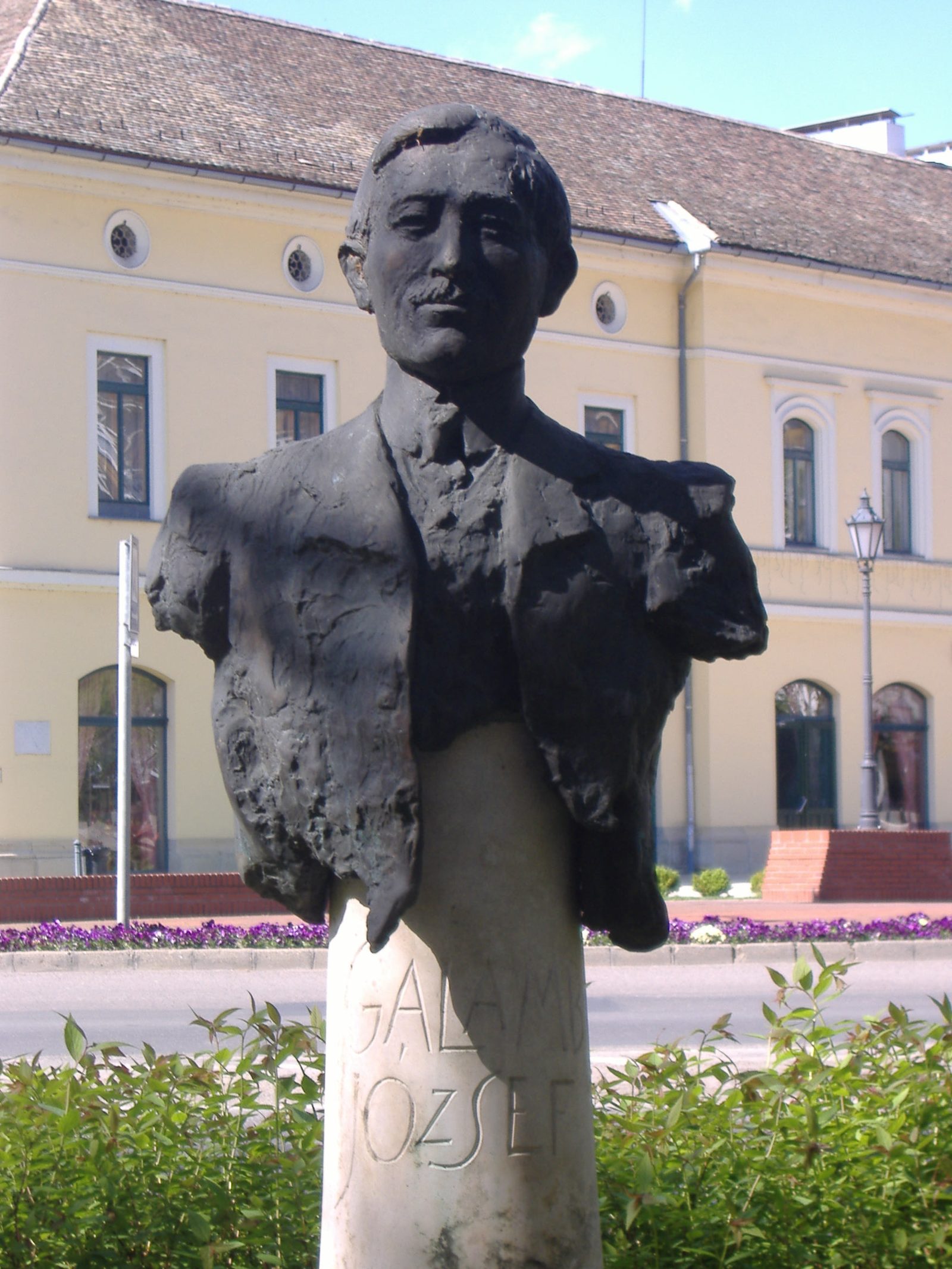
  • Bust of Joseph Galamb by Géza Széri-Varga in Makó, Hungary (photo: 2008)

    Bust of Joseph Galamb by Géza Széri-Varga in Makó, Hungary (photo: 2008)

    Burrows · CC BY 3.0

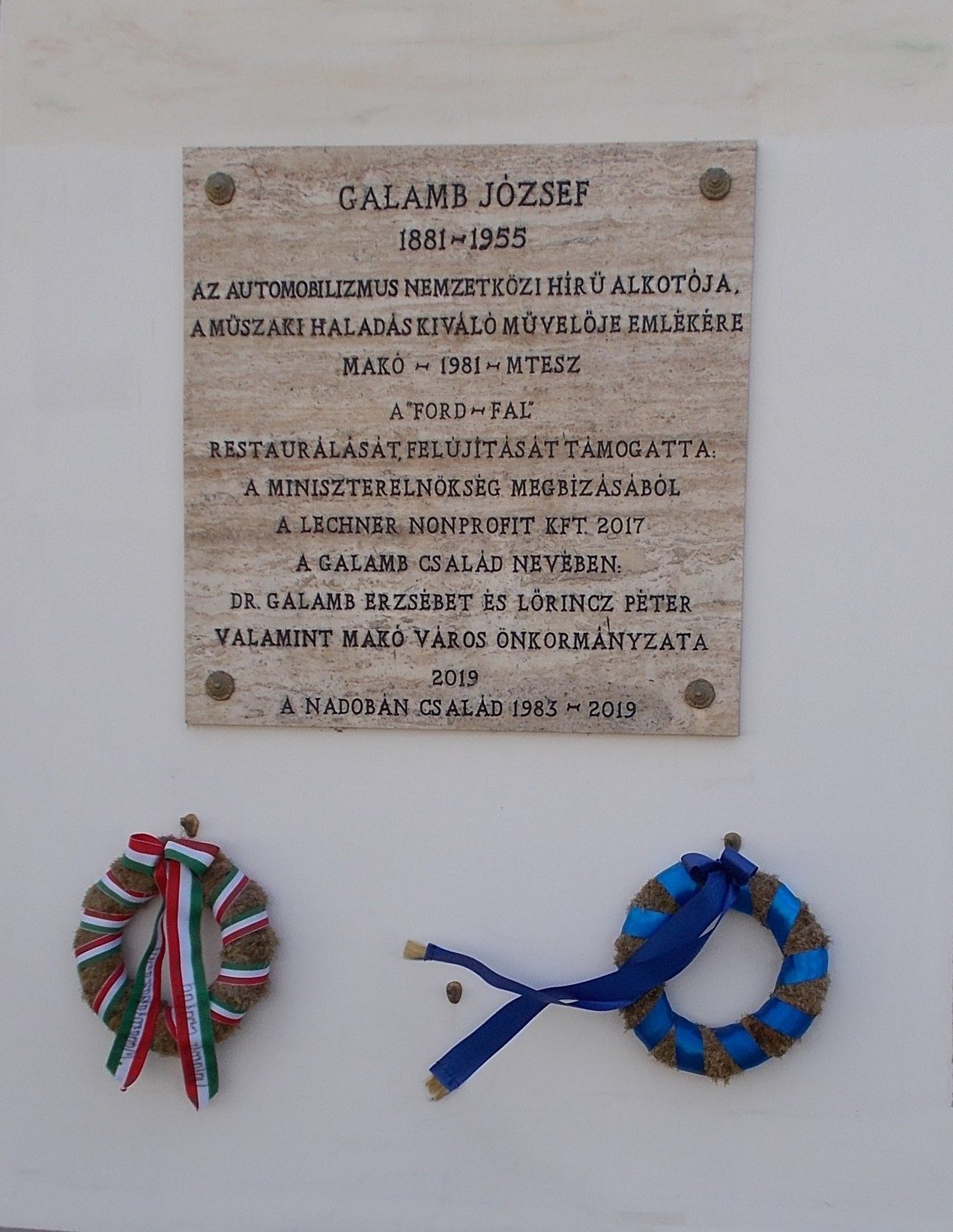
  • Joseph Galamb’s memorial plaque on the Ford Wall in Makó, on the Galamb family’s former company building, home of Hungary’s first Ford dealership (photo: 2023)

    Joseph Galamb’s memorial plaque on the Ford Wall in Makó, on the Galamb family’s former company building, home of Hungary’s first Ford dealership (photo: 2023)

    Globetrotter19 · CC BY-SA 3.0

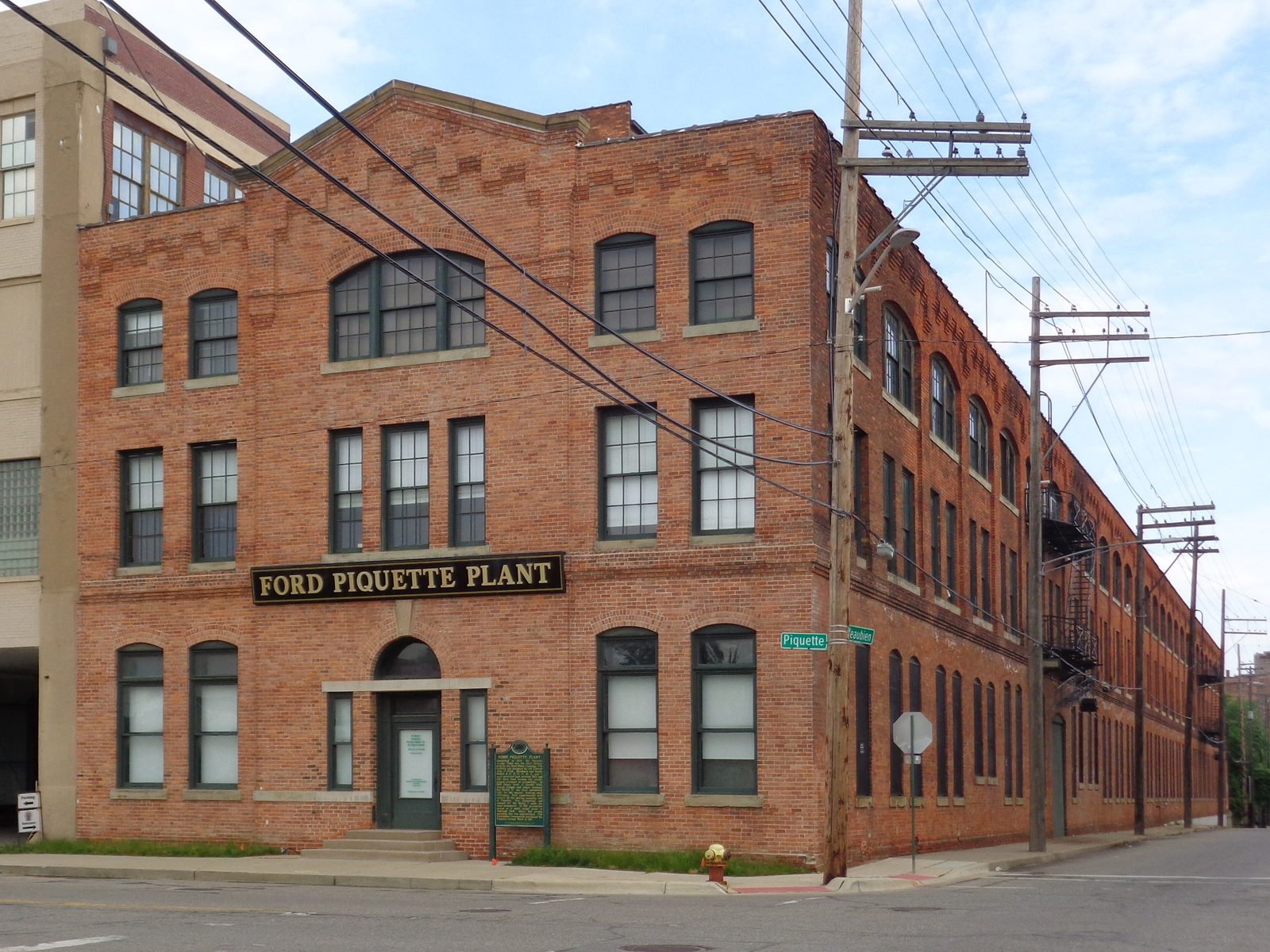
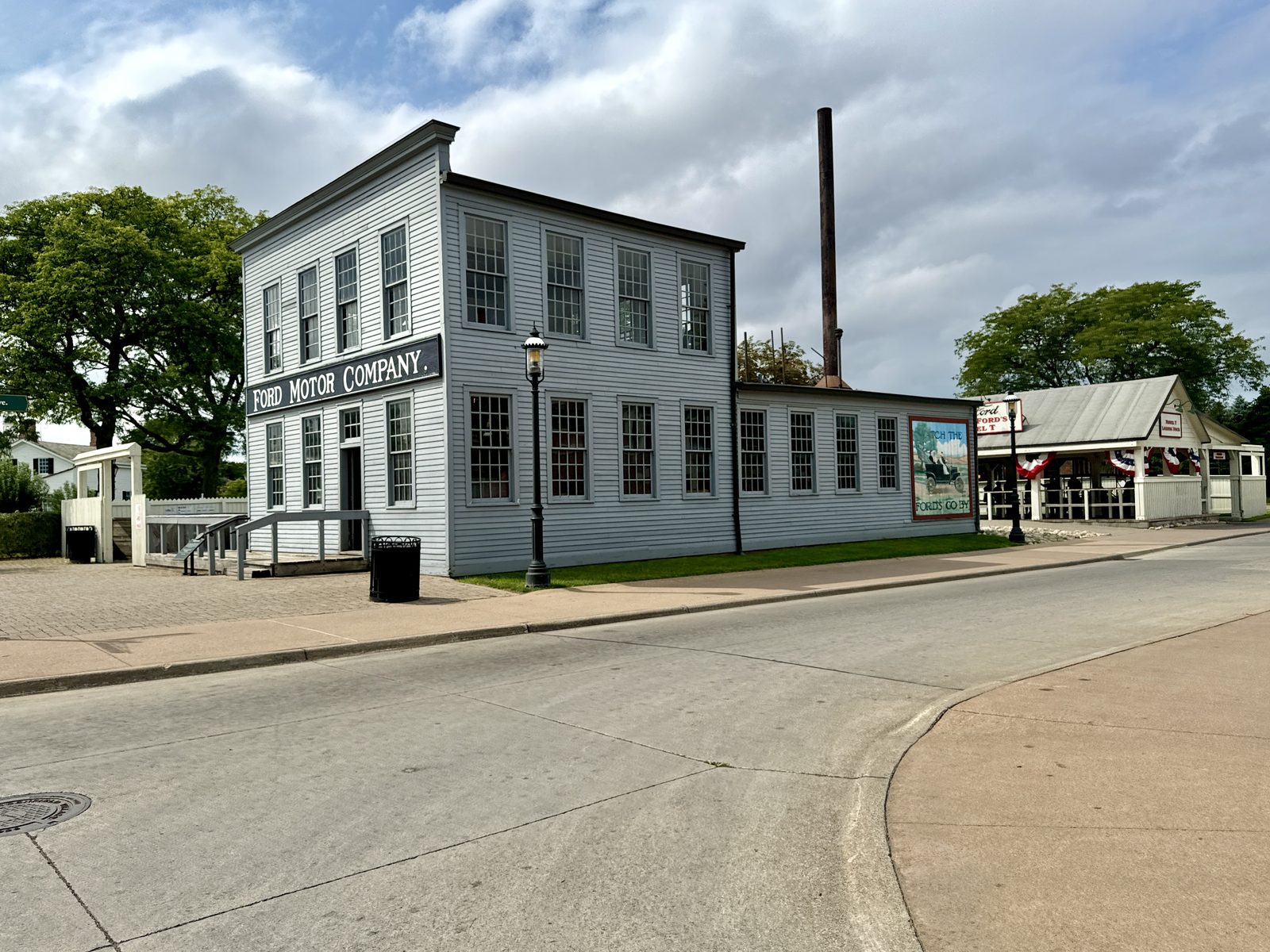
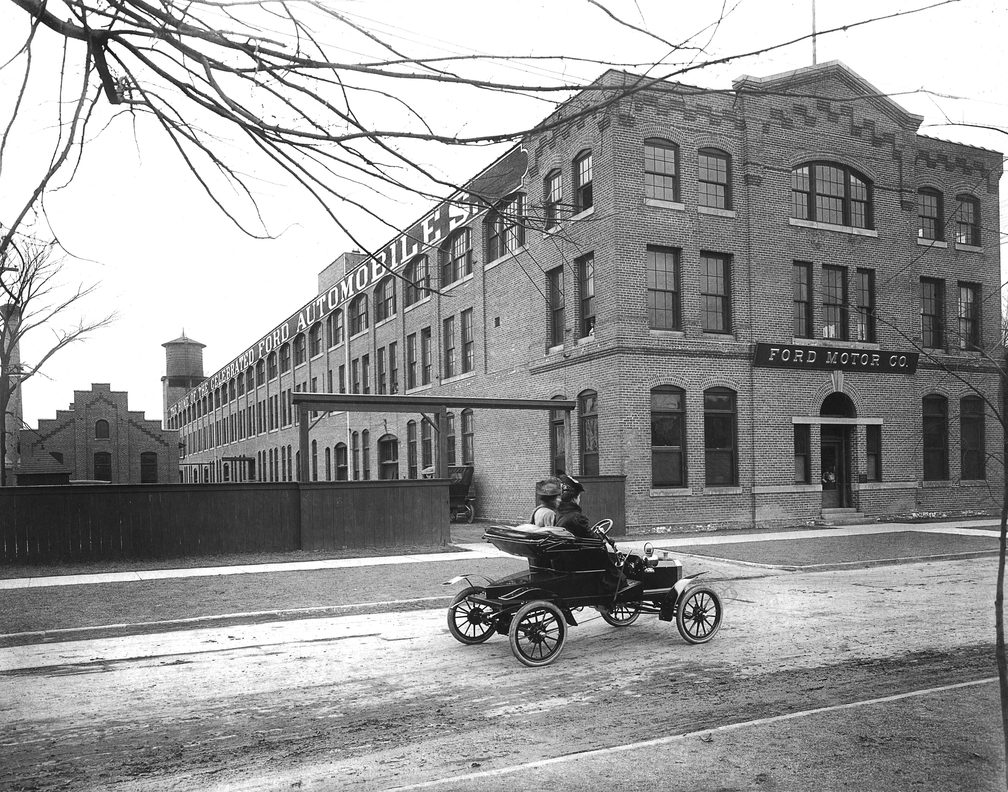
  • Ford’s Piquette Avenue Plant in Detroit, where Ford, Wills and Joseph Galamb designed the Model T in a secret room (photo: 2017)

    Ford’s Piquette Avenue Plant in Detroit, where Ford, Wills and Joseph Galamb designed the Model T in a secret room (photo: 2017)

    Jackdude101 · CC BY-SA 4.0

  • A Fordson tractor at the Traktormajális vintage tractor show in Bokor, Hungary, May 2011

    A Fordson tractor at the Traktormajális vintage tractor show in Bokor, Hungary, May 2011

    granada_turnier · CC BY 2.0

  • Hungarians nicknamed the Tin Lizzie Bádog Böske.
  • The Hungarian National Museum in Budapest shows a 100-year-old Model T in its “American Dream” exhibition until November 1, 2026, chosen for the Galamb and Farkas story.
  • The Model T’s birthplace, the Piquette Avenue Plant (461 Piquette Street), is a museum in Detroit; it’s a separate visit, not part of The Henry Ford.
  • Budapest-born Harry Houdini (Weisz Erik) died in Detroit on October 31, 1926; the collection holds a magic lantern caricature of him.
Made by the museum in Galamb's hometown of Makó, Hungary, this Hungarian-language film follows the local boy who became one of the Model T's designers in Detroit. Múzeum József Attila · 14:43
Novum, a Hungarian public-TV science magazine, spends eight minutes on how József Galamb used the Model T to lift Henry Ford's dream into the ranks of the world's leading carmakers (in Hungarian). Novumtv · 7:55

What we don’t claim: Galamb didn’t design the Model T alone, didn’t invent the planetary transmission, didn’t draw the Ford script logo and didn’t invent the assembly line. The sources don’t support those.

05 / Greenfield Village

How do you walk through 300 years in an afternoon?

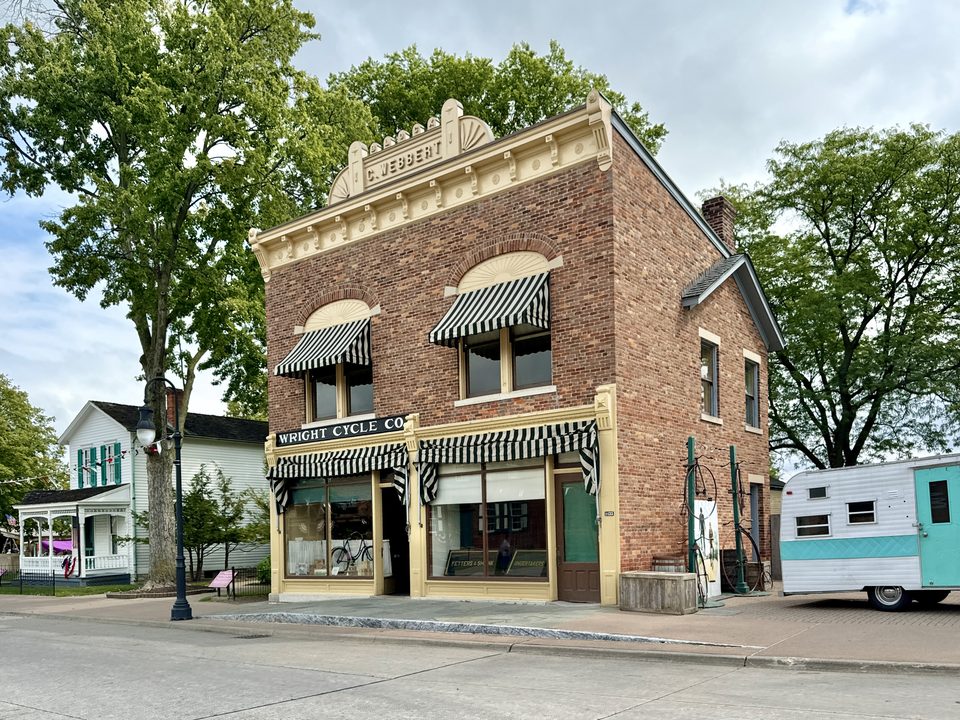
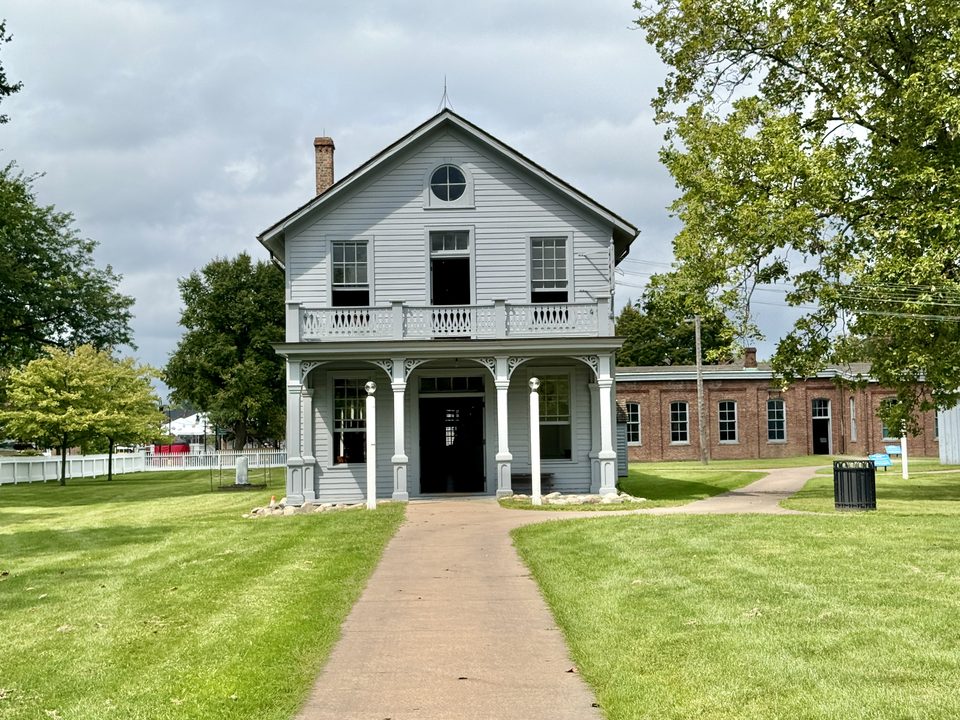
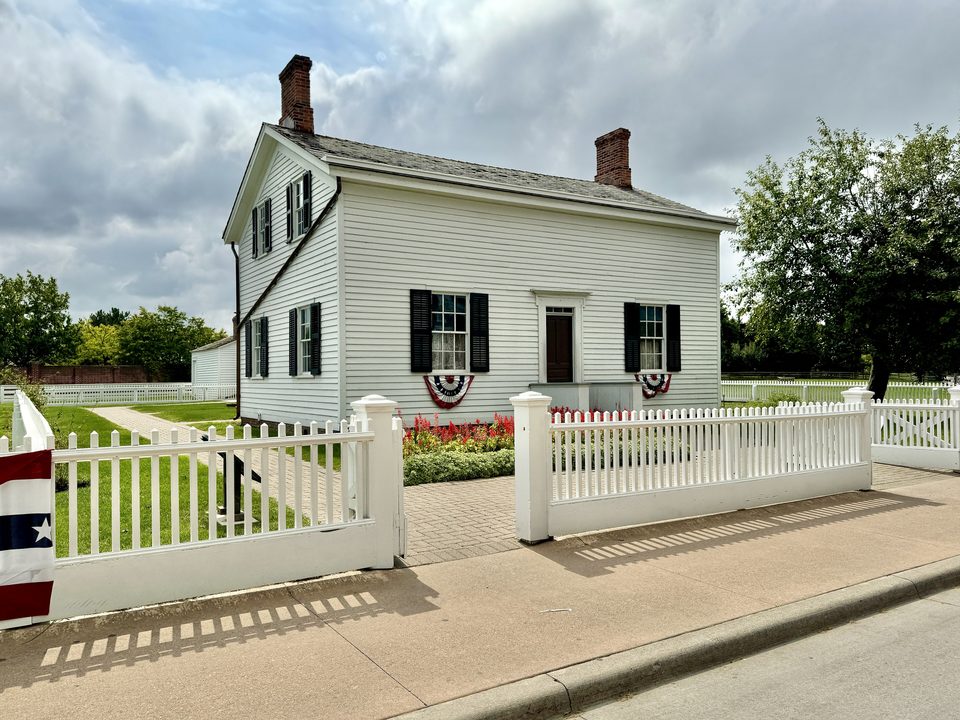
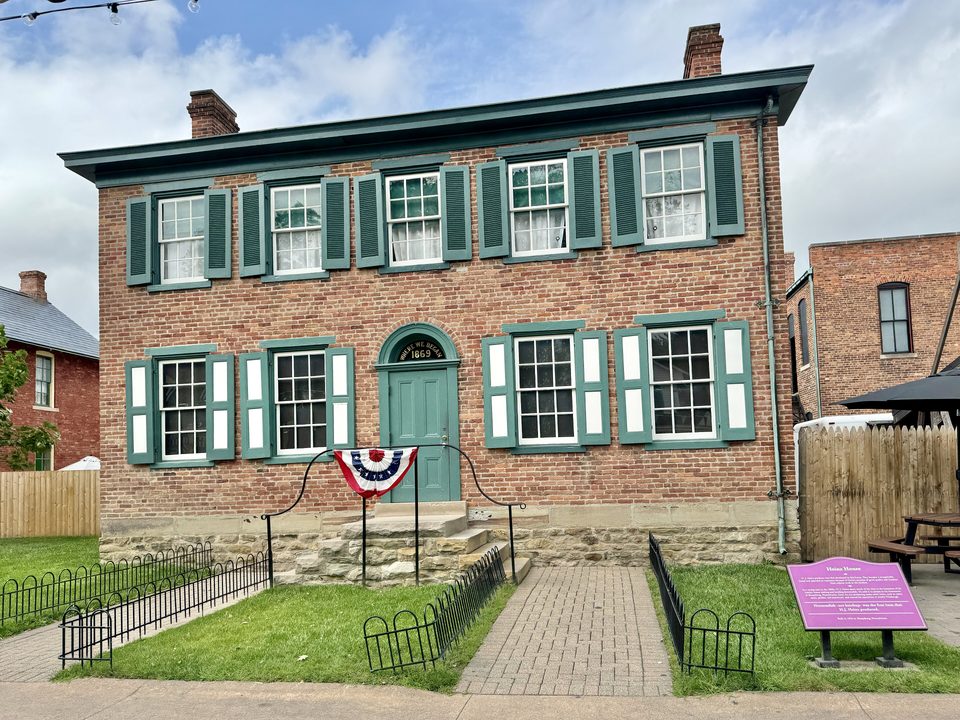
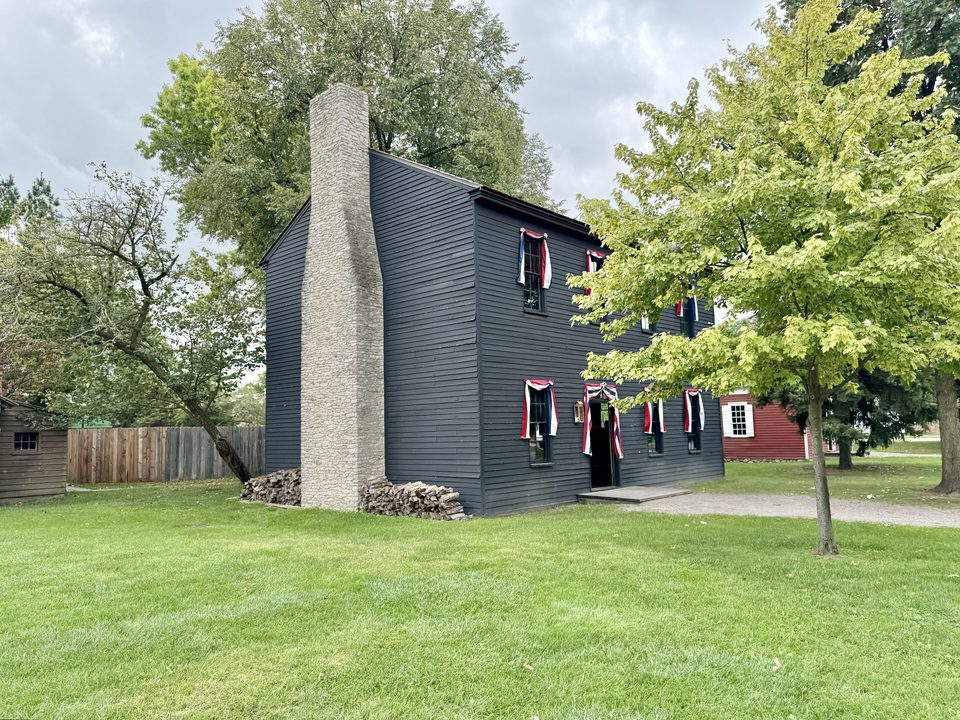
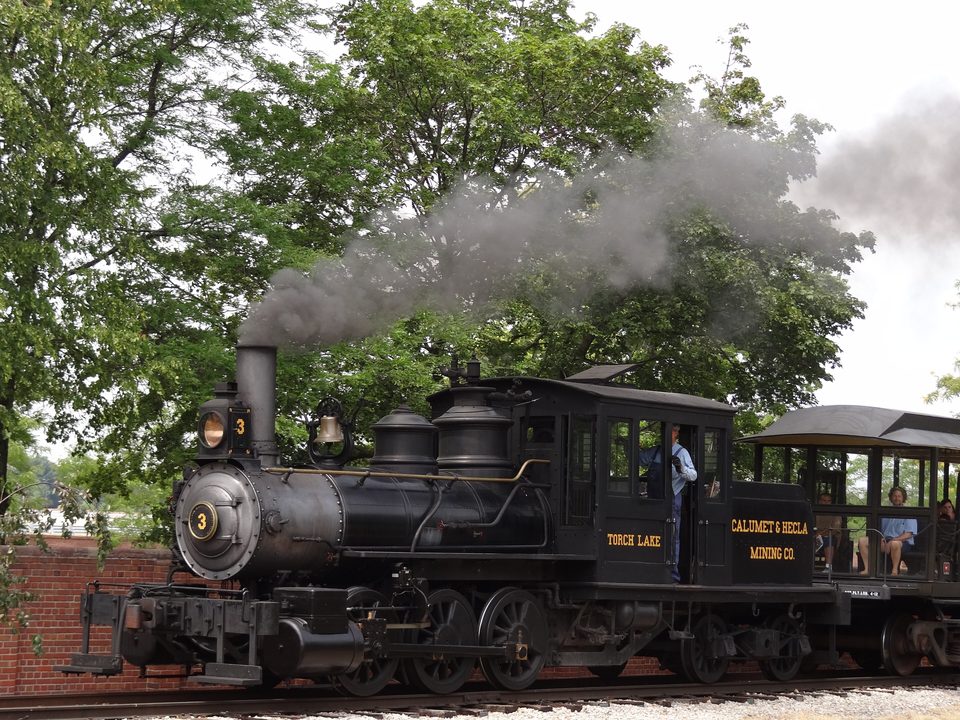
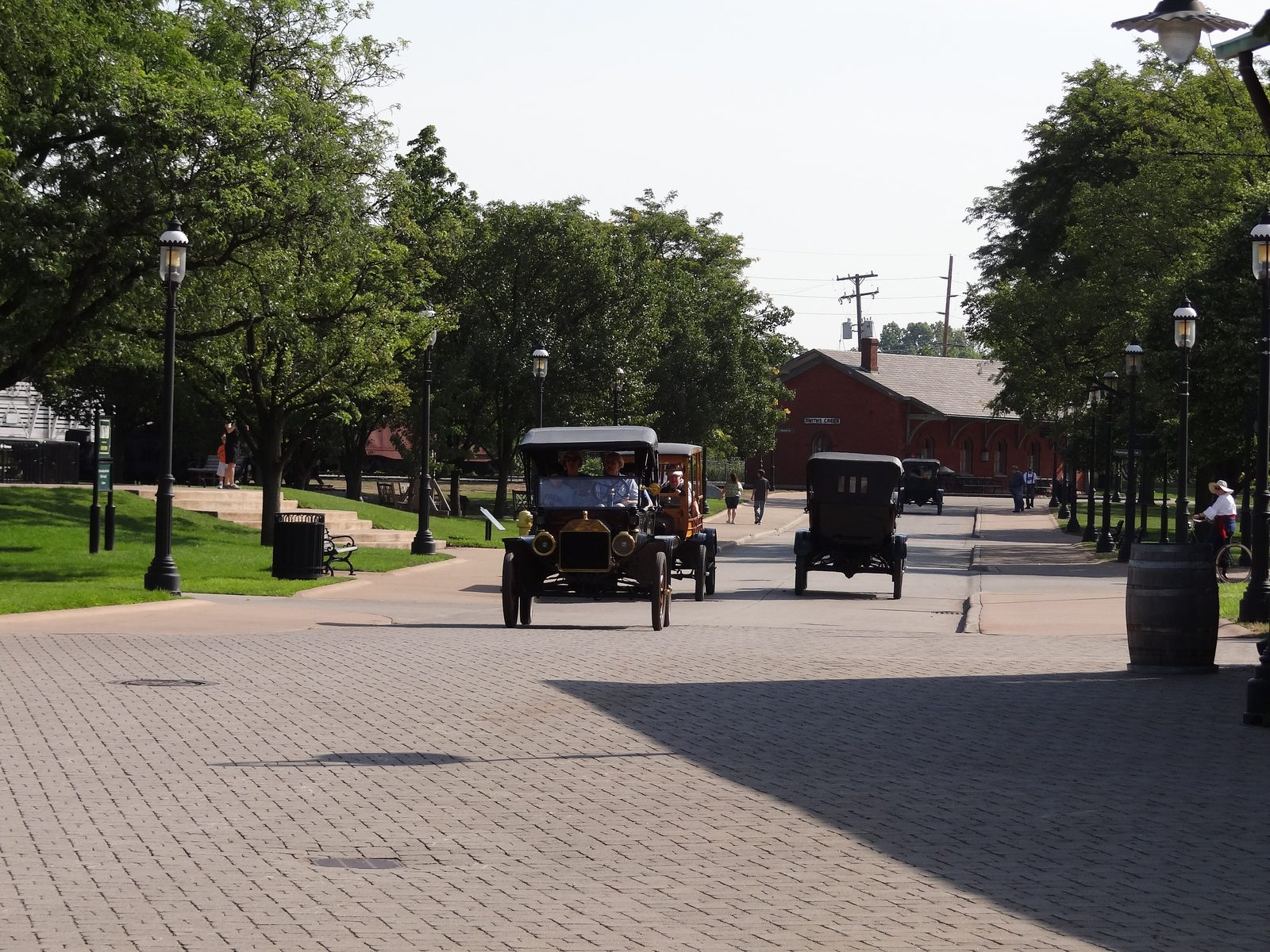
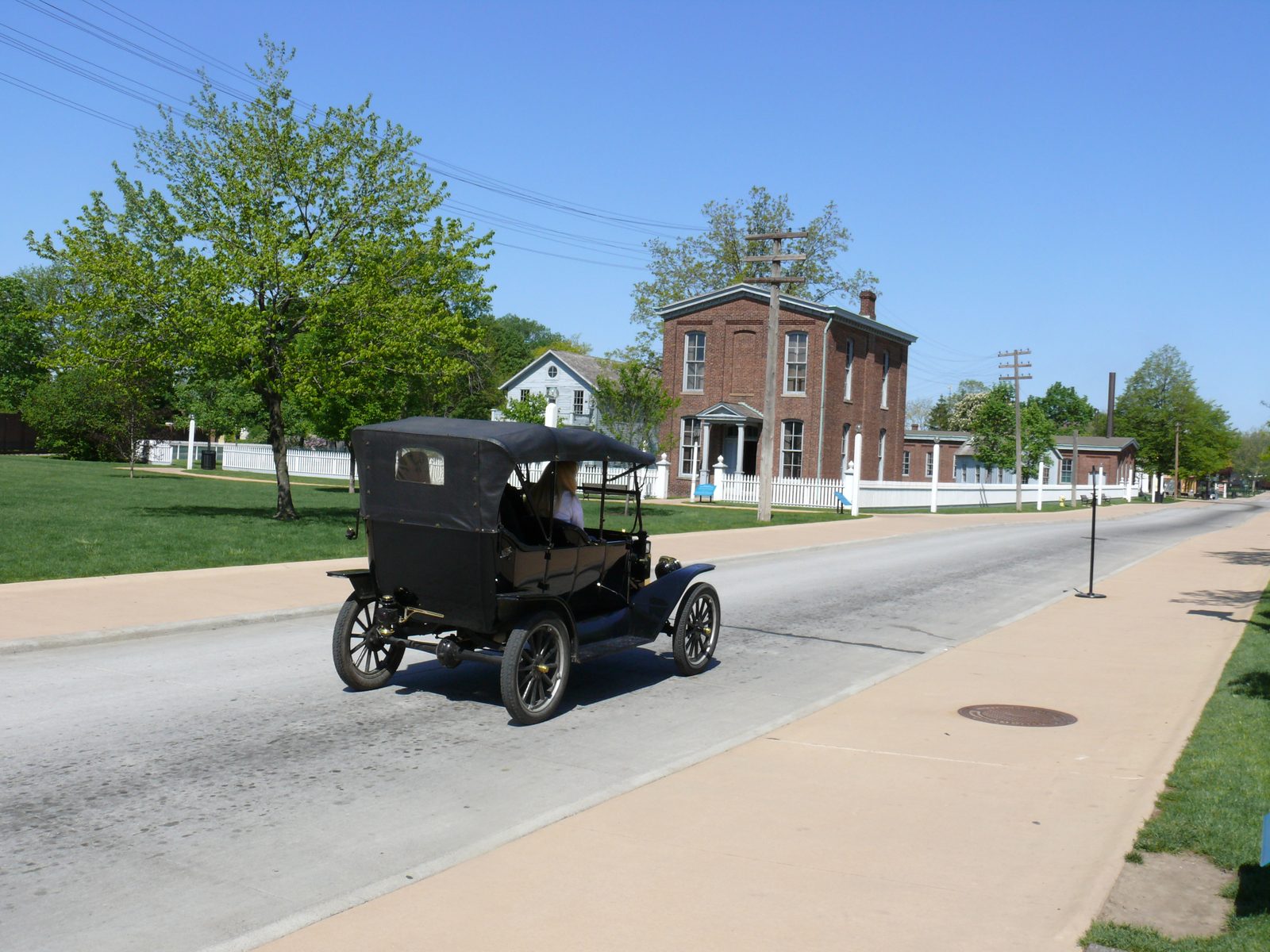
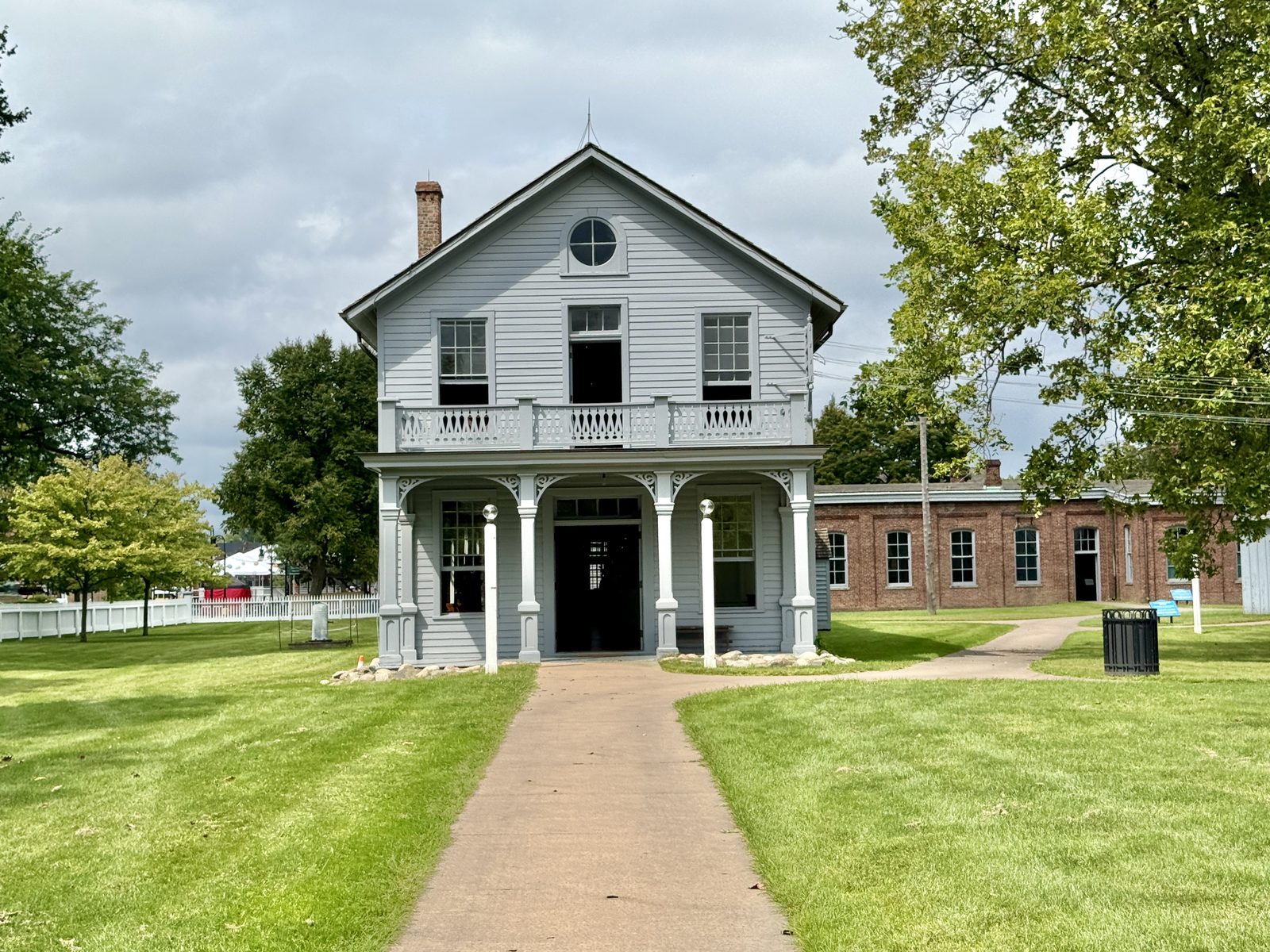
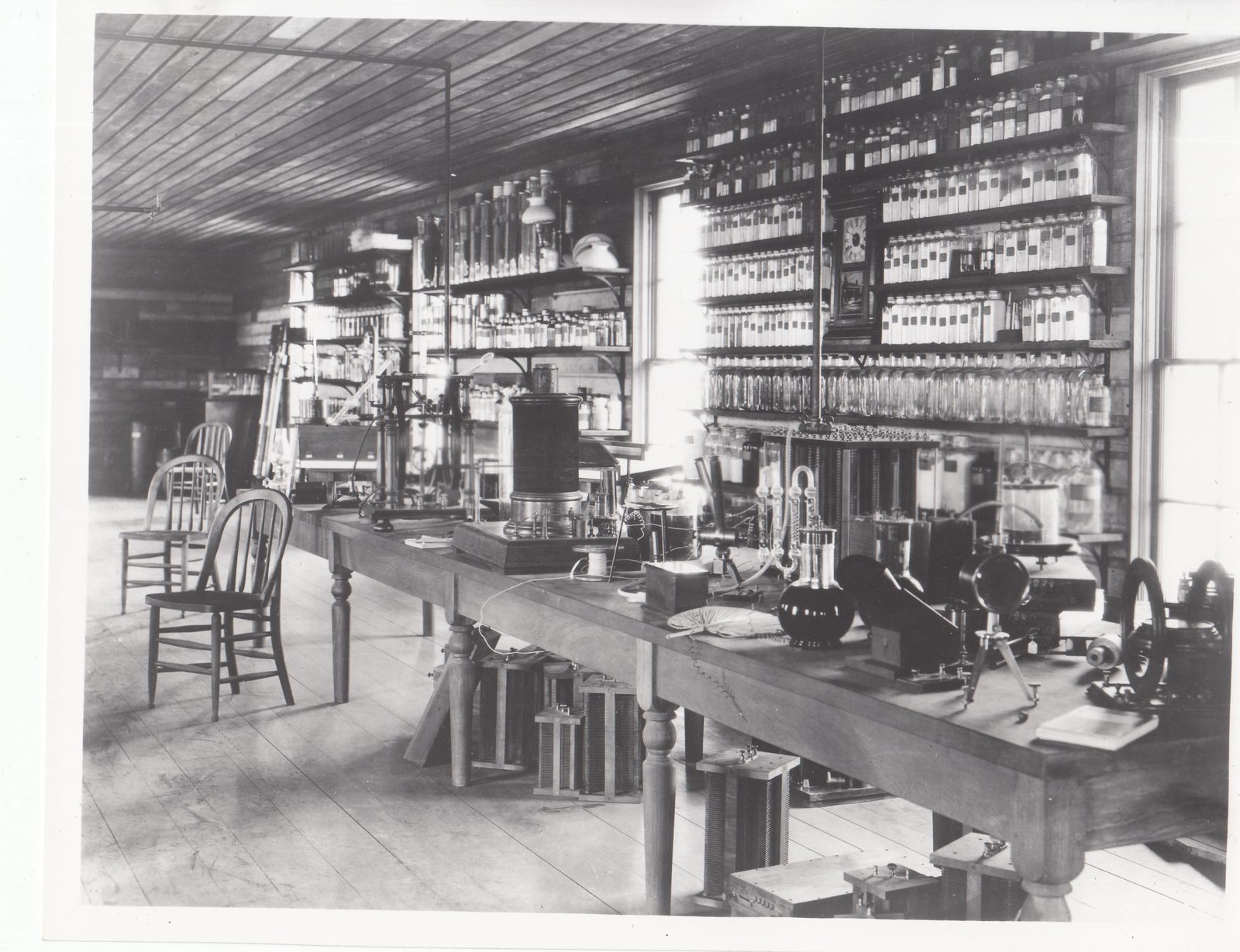
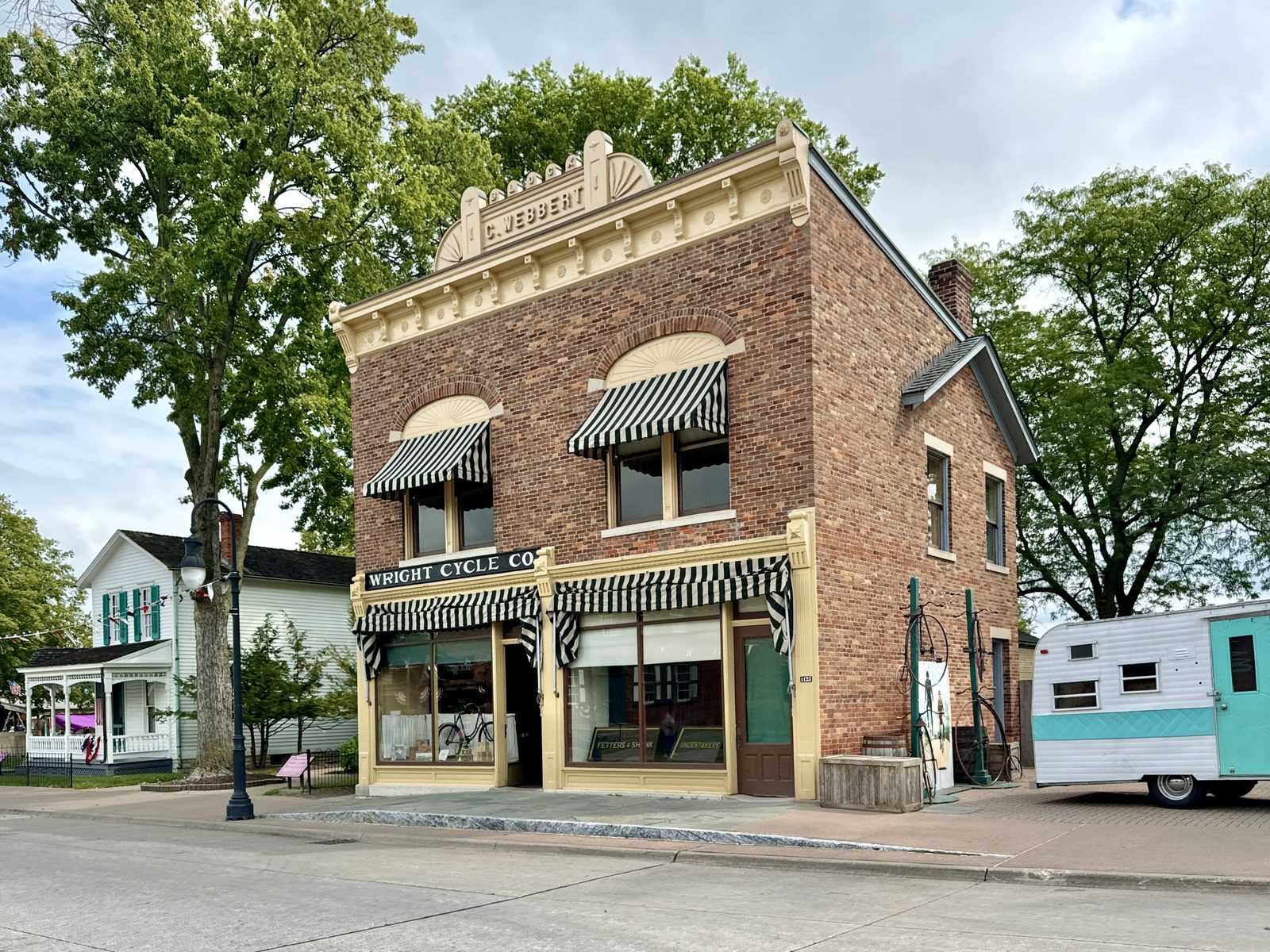
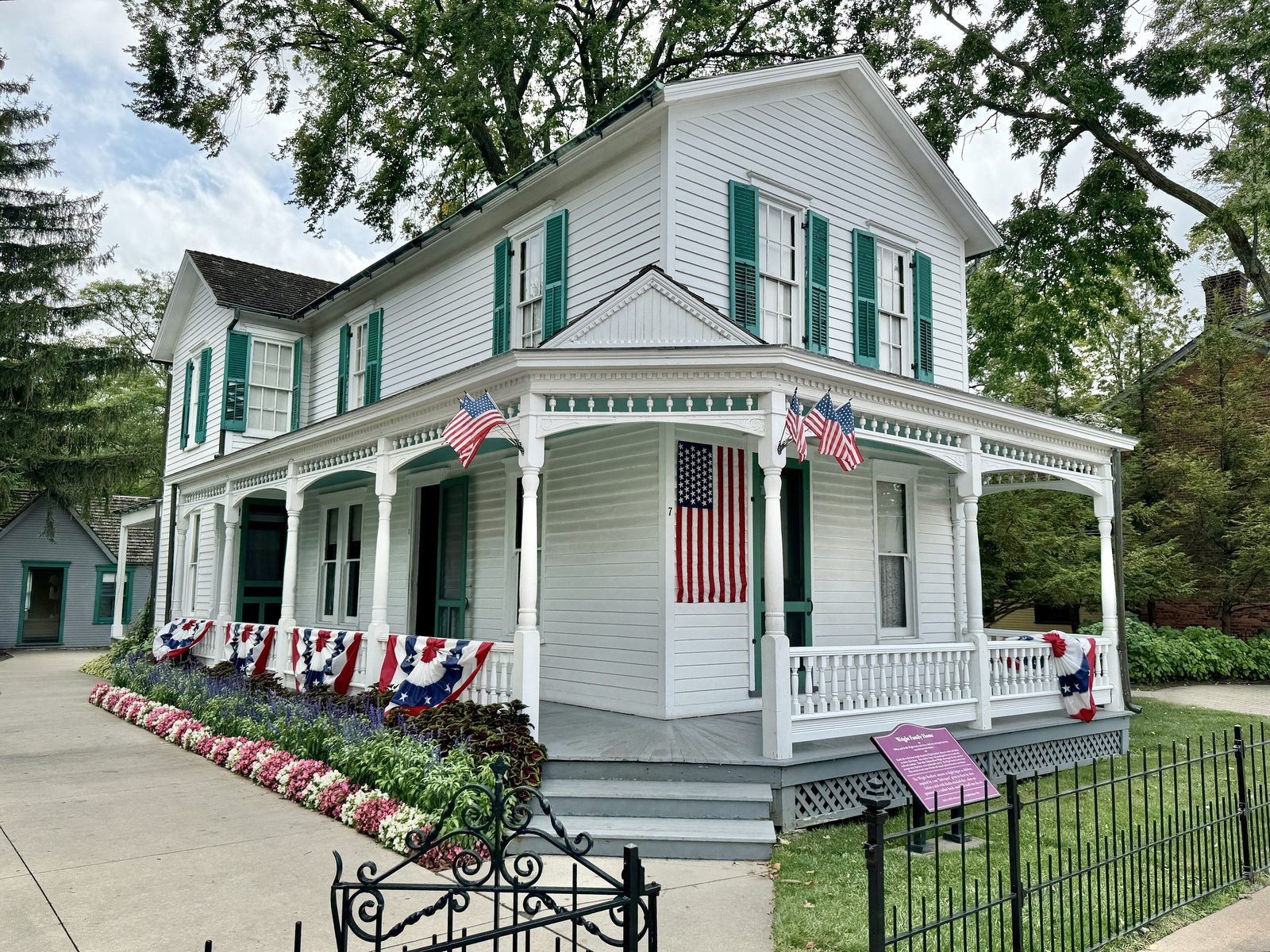
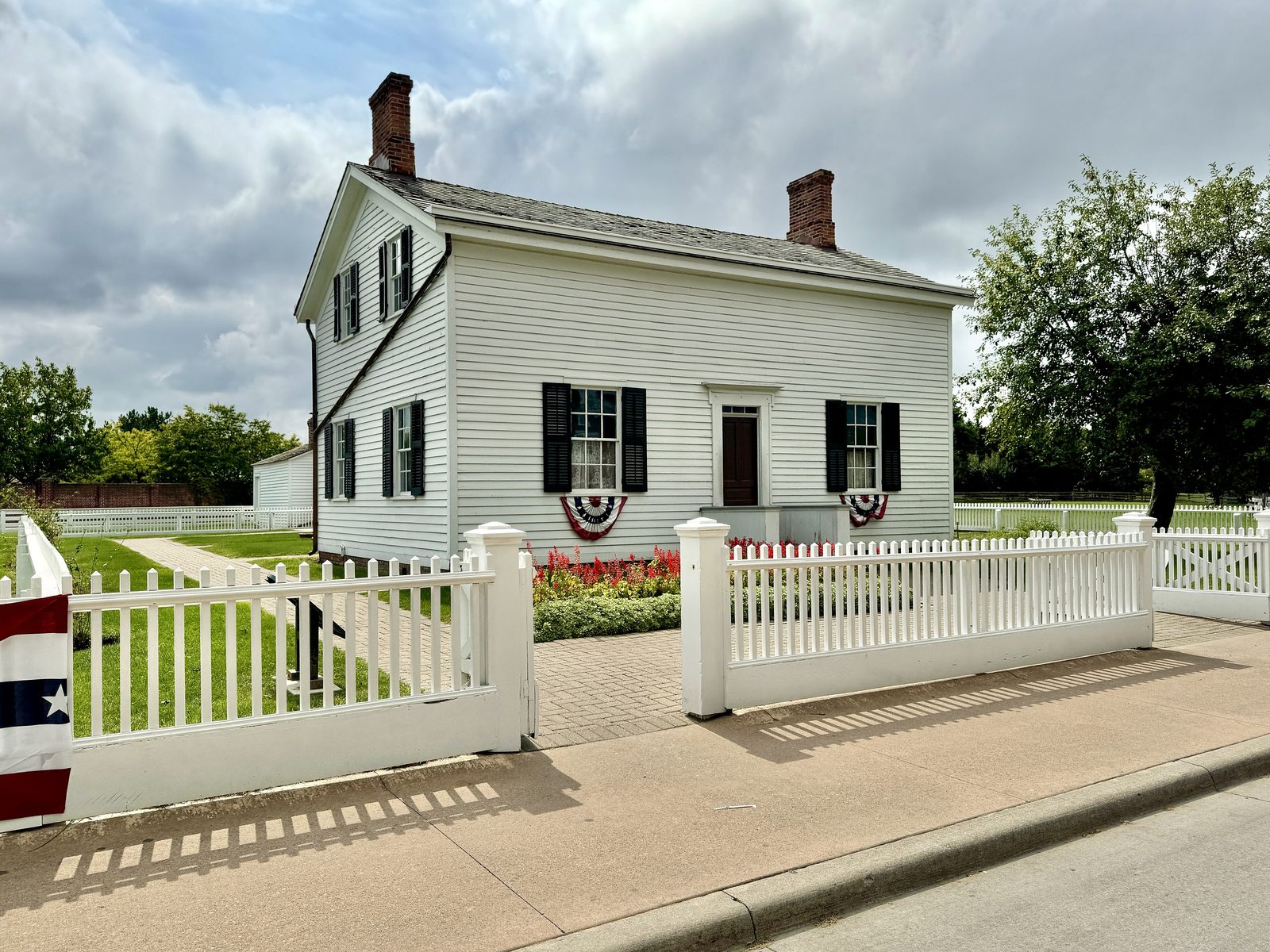
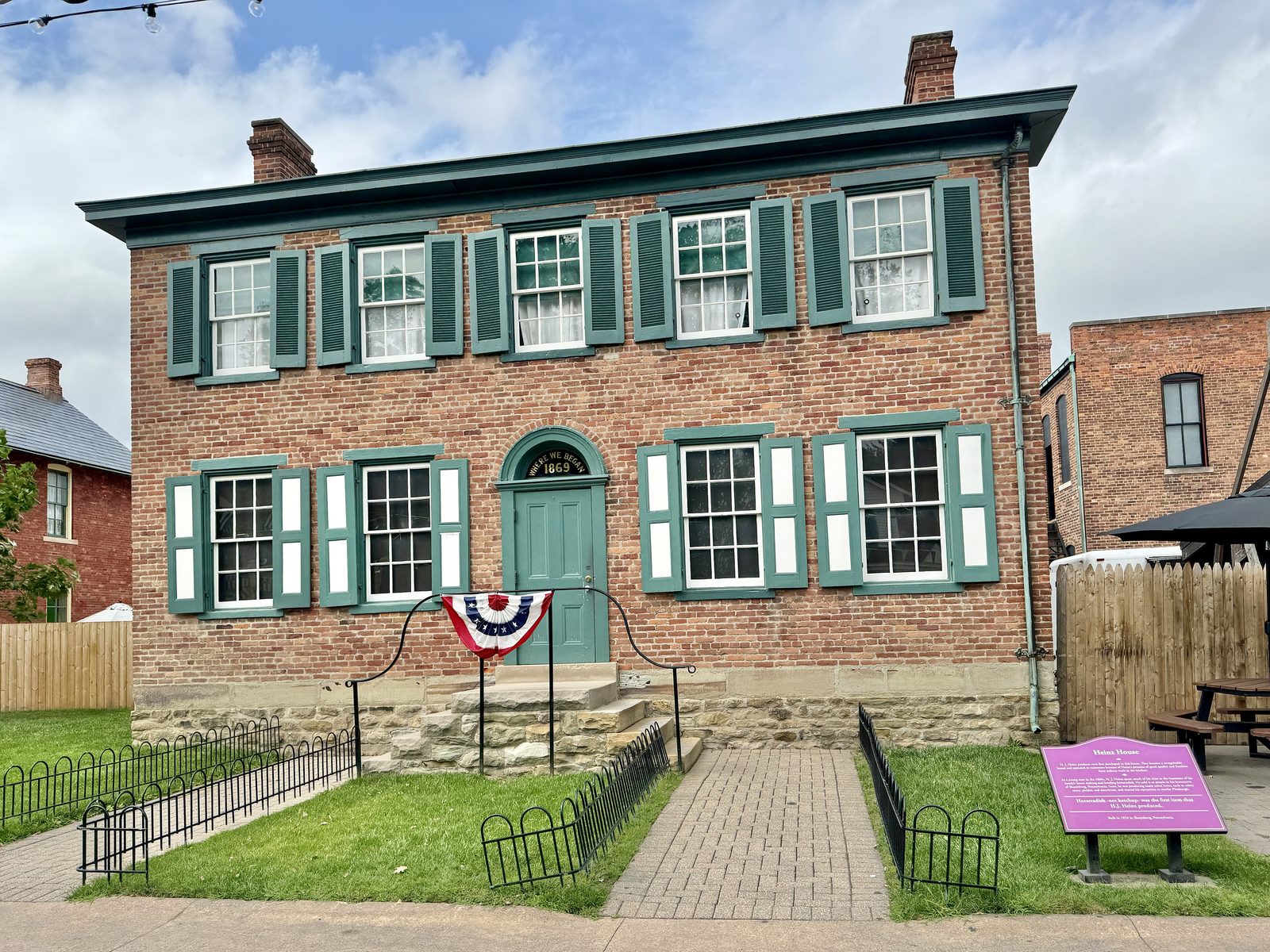
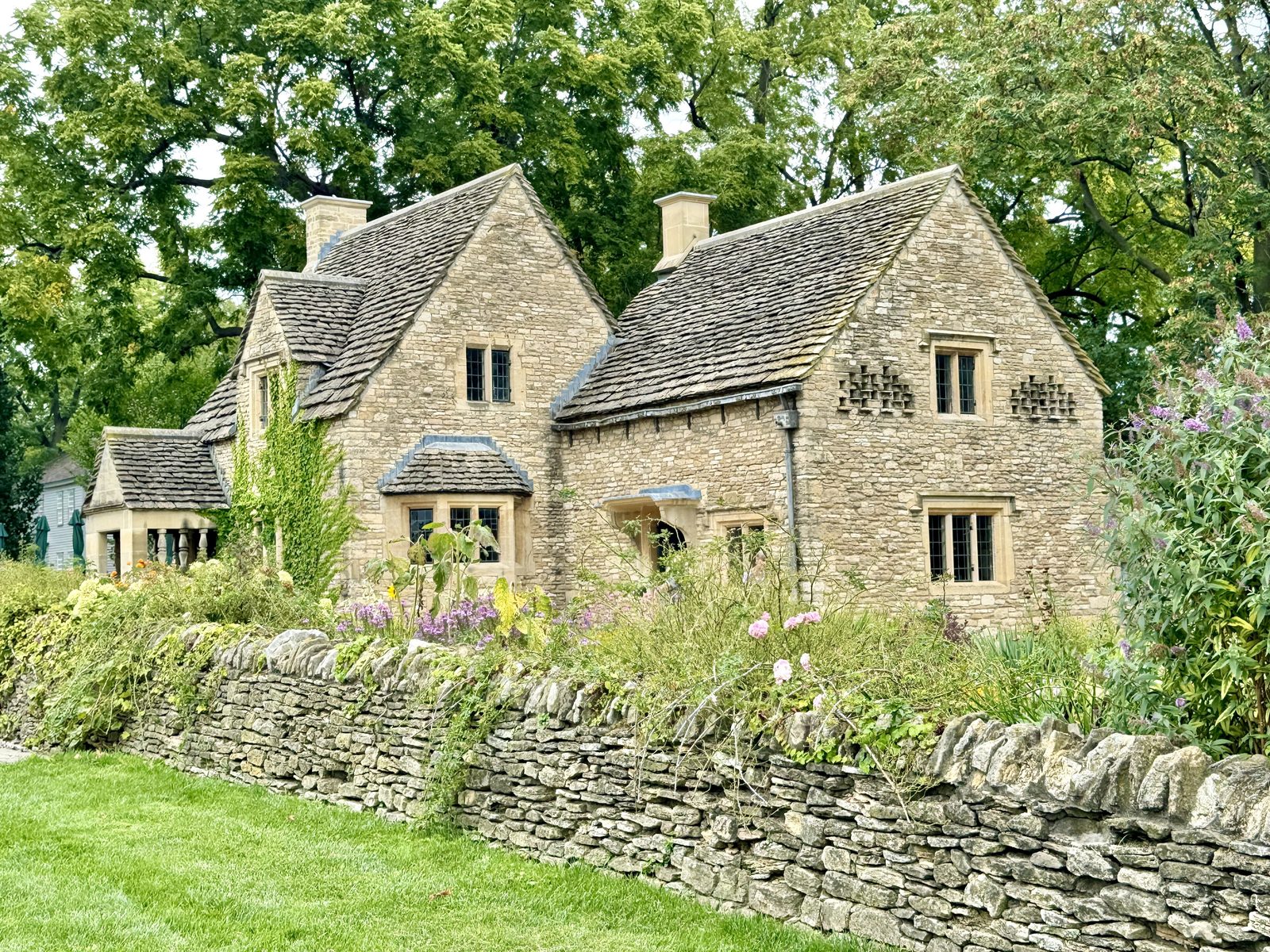
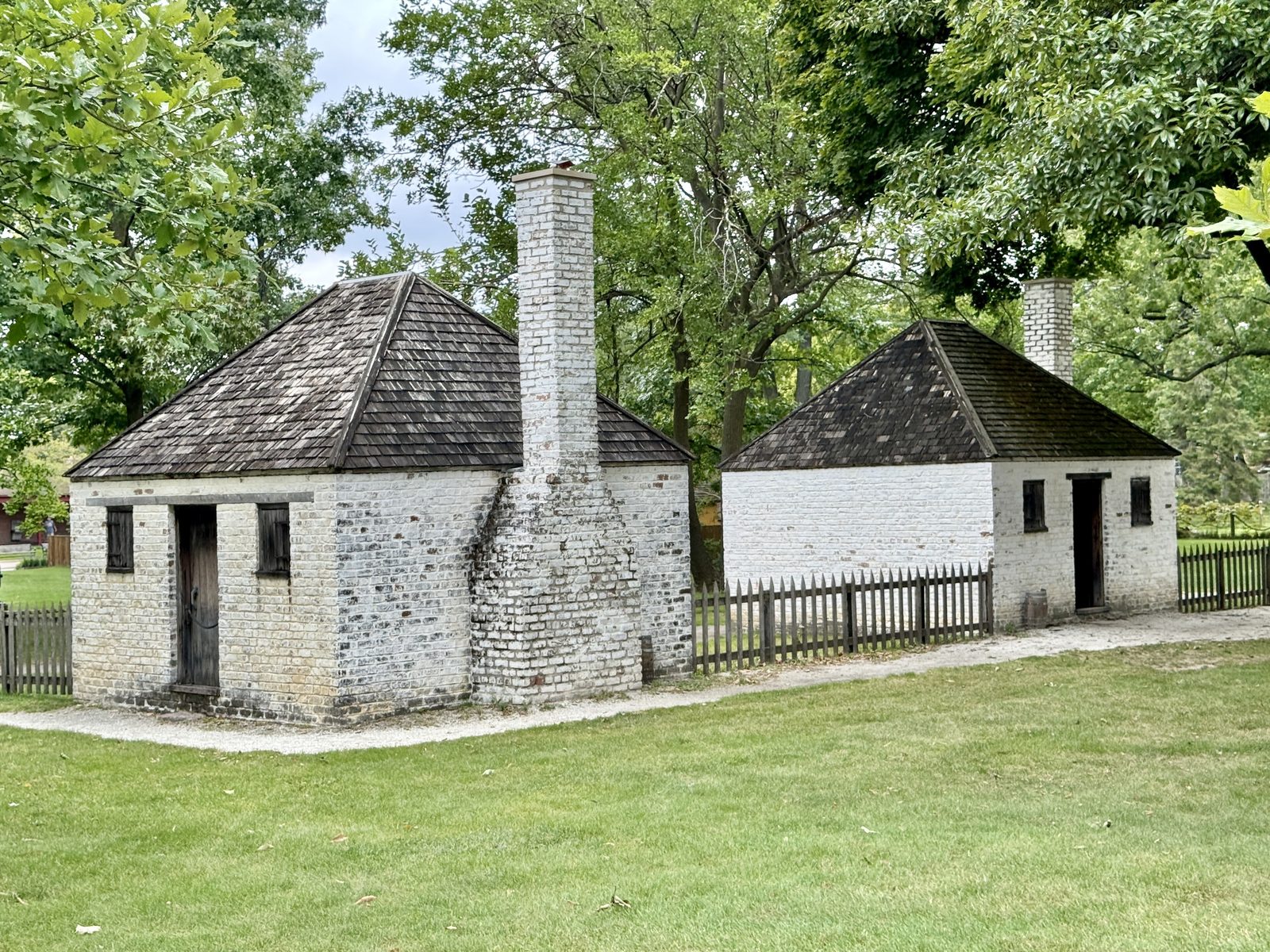
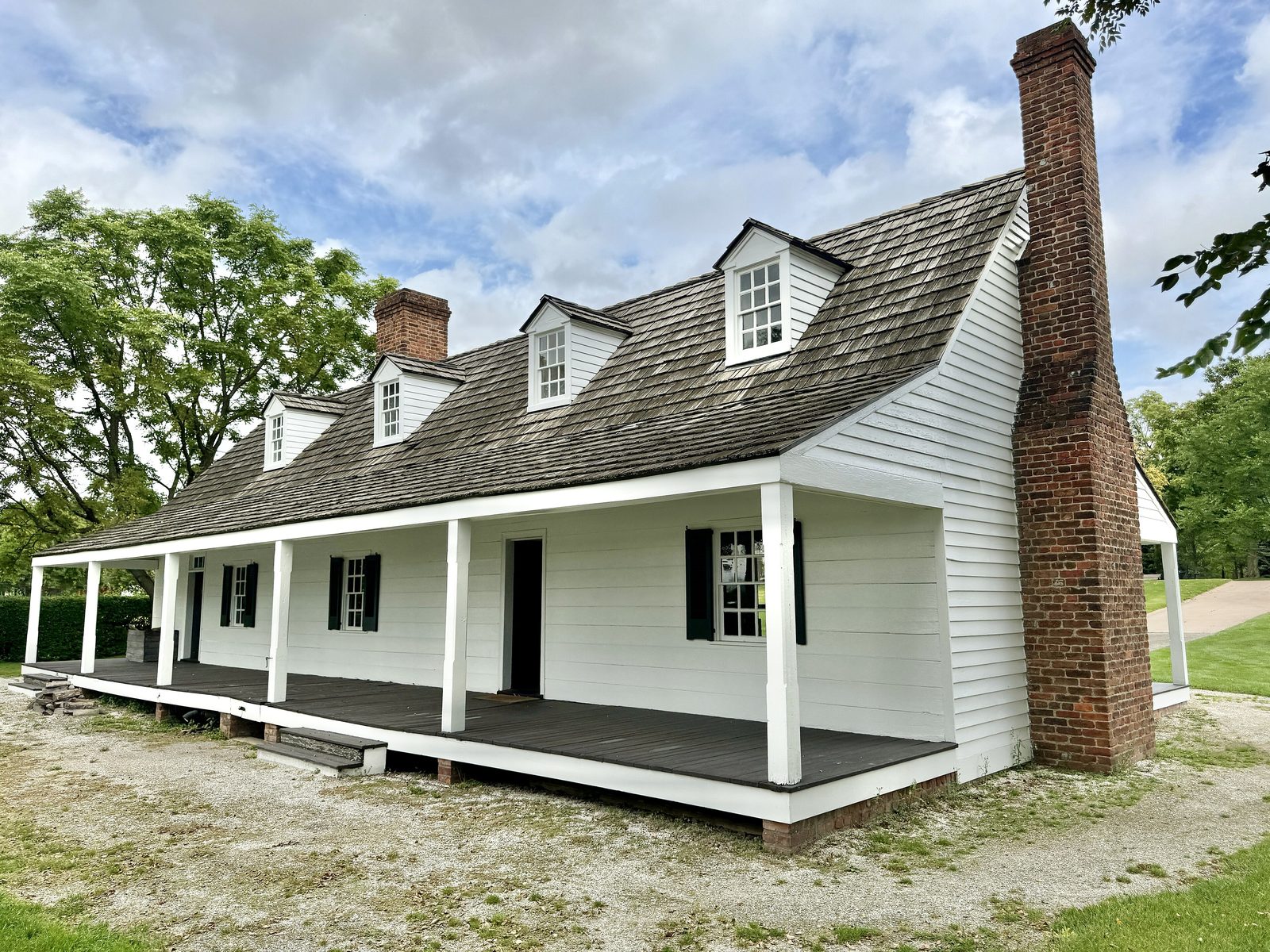
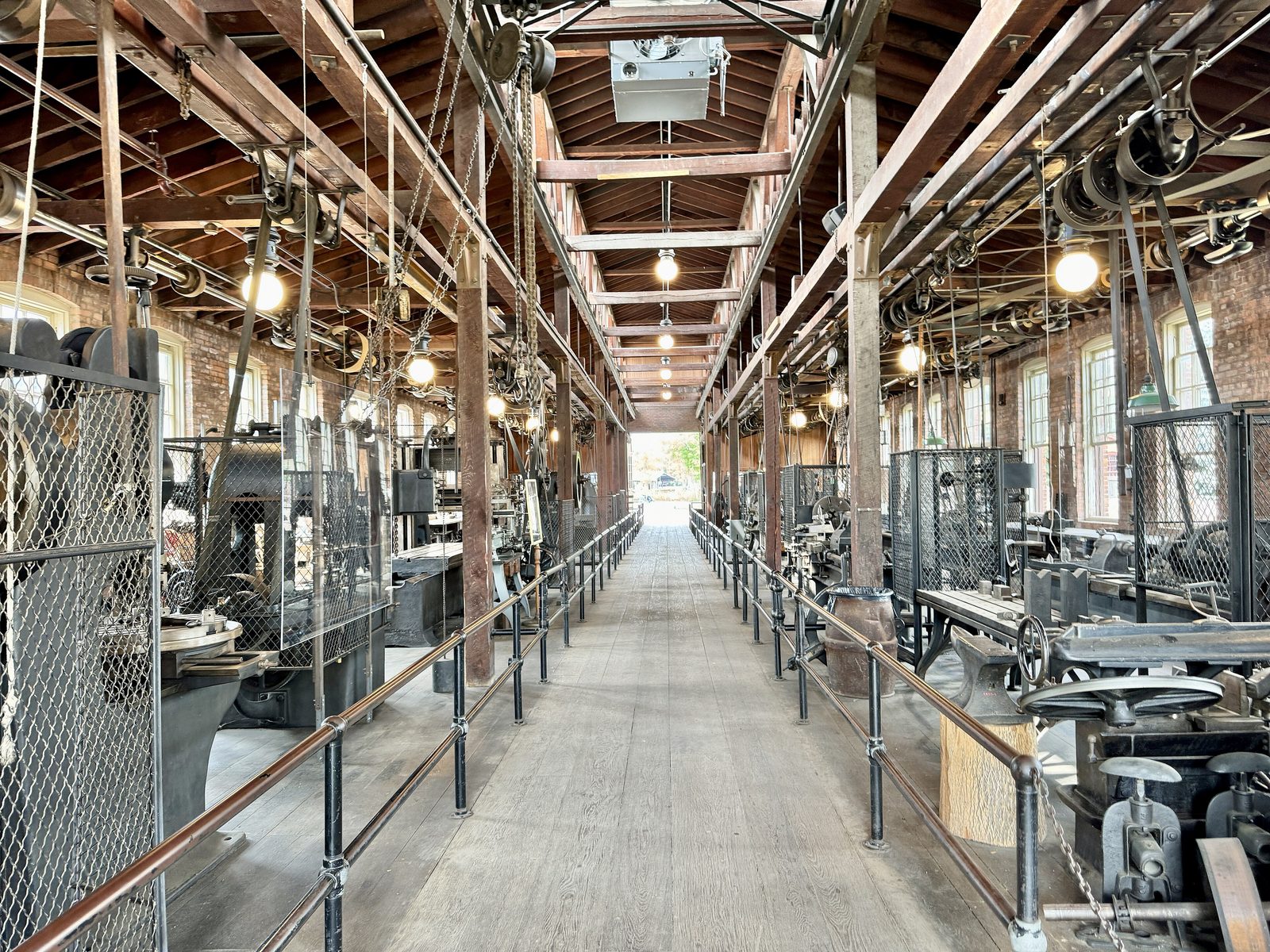
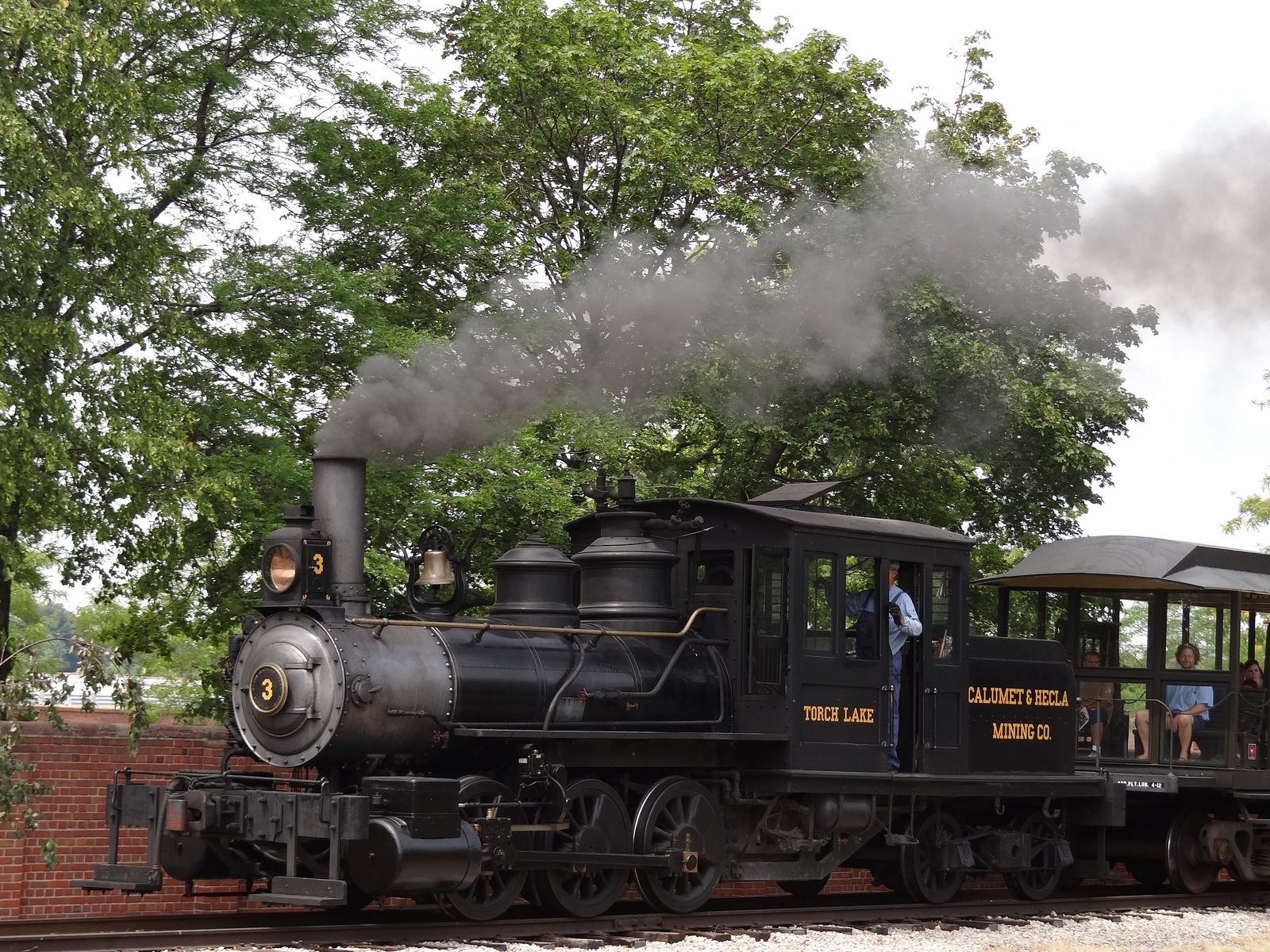
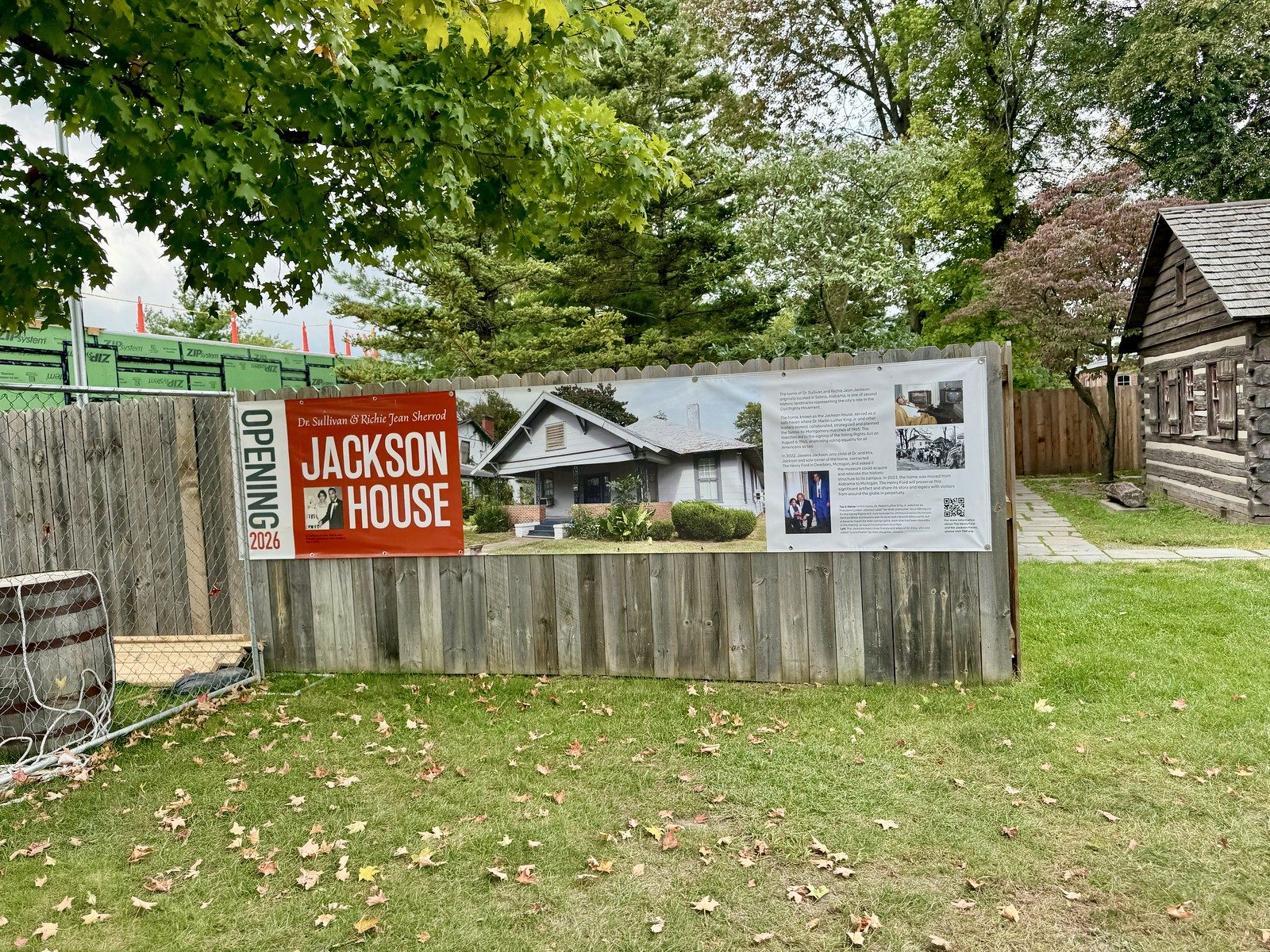
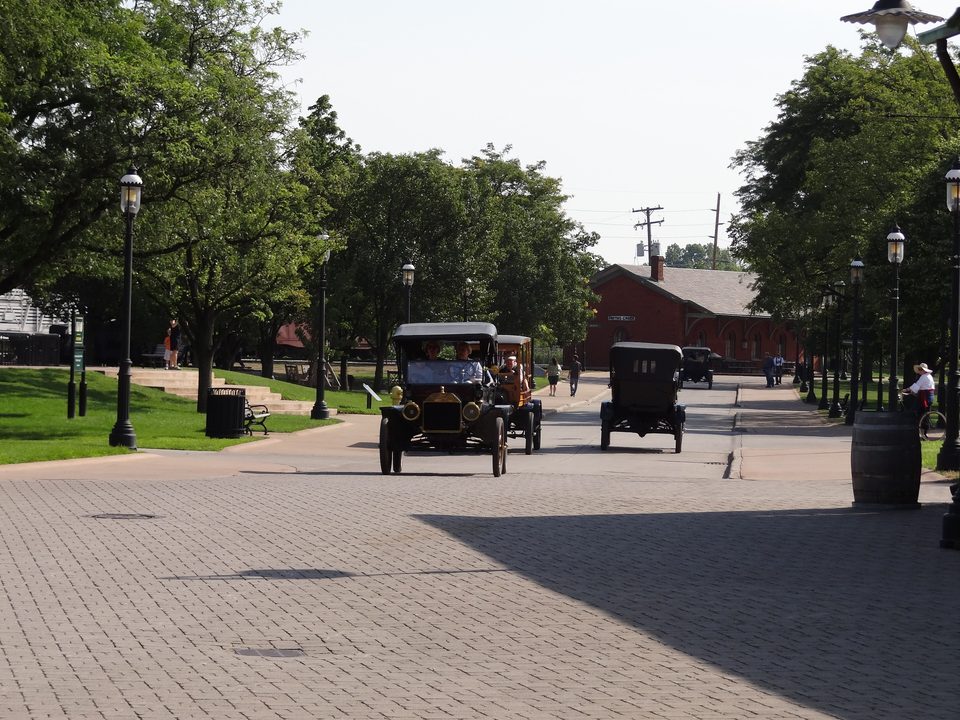
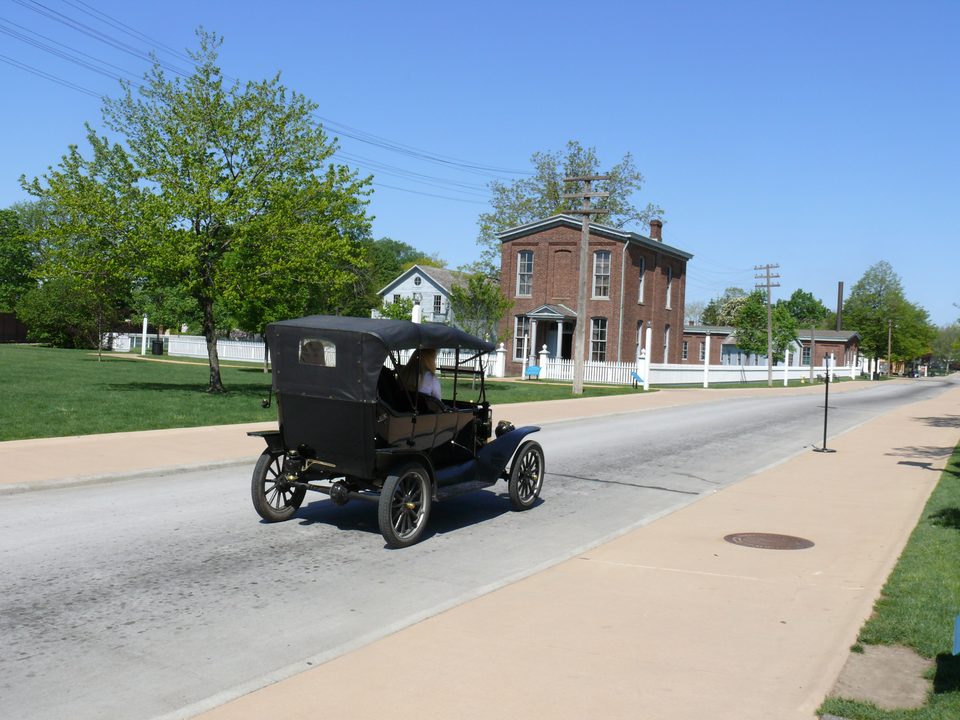
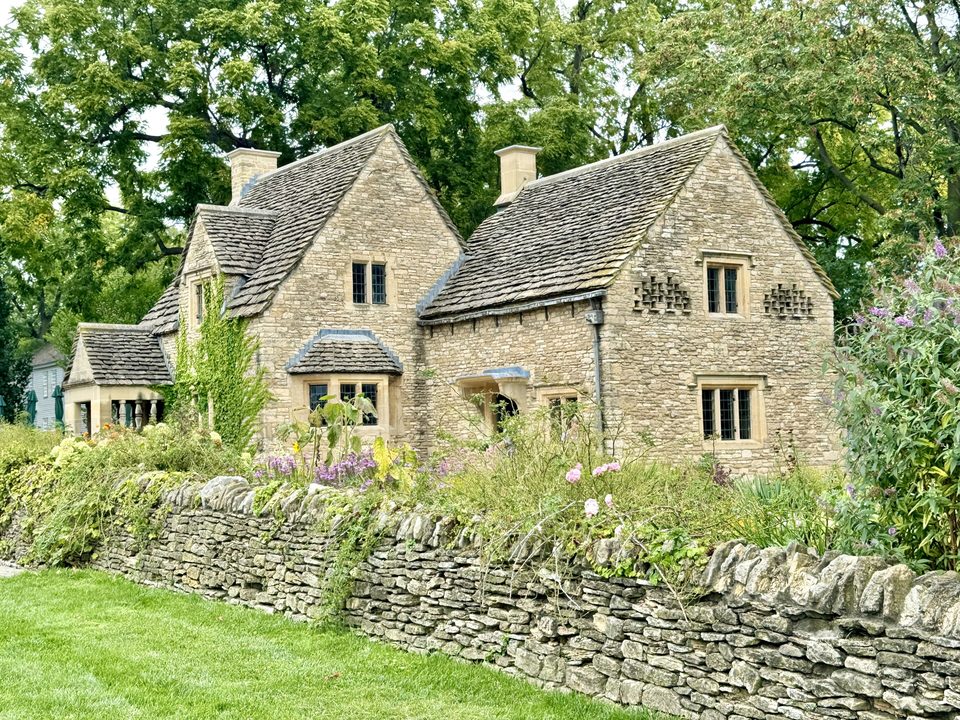
The village spreads over 80 acres in seven districts. Henry Ford moved whole buildings here: the Wright brothers’ bike shop from Dayton, an English stone cottage in 211 crates and 506 sacks, and he rebuilt Edison’s lab so faithfully that in 1929 he even spread New Jersey clay around it. You don’t look at history through glass here: you ride a Model T, hop on a steam train and watch glass being blown. The newest arrival is the Jackson Home from Selma, where Dr. Martin Luther King Jr. and fellow organizers planned the 1965 Selma-to-Montgomery marches; it opened in the village in June 2026.

Working Farms · Liberty Craftworks · Henry Ford’s Model T · Railroad Junction · Porches & Parlors · Main Street · Edison at Work

Village events in 2026

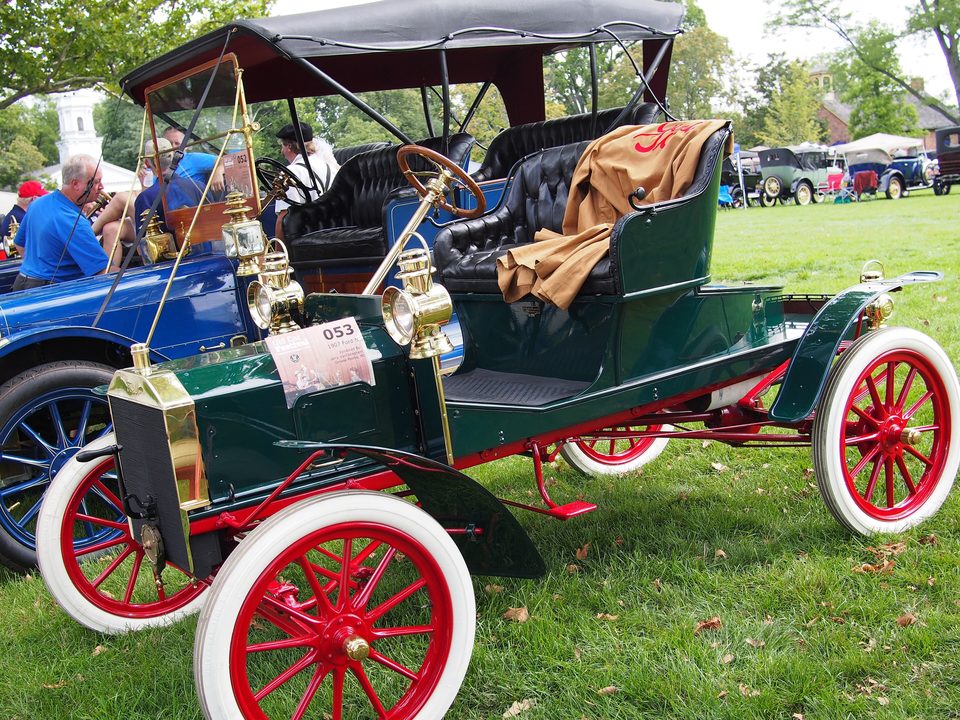
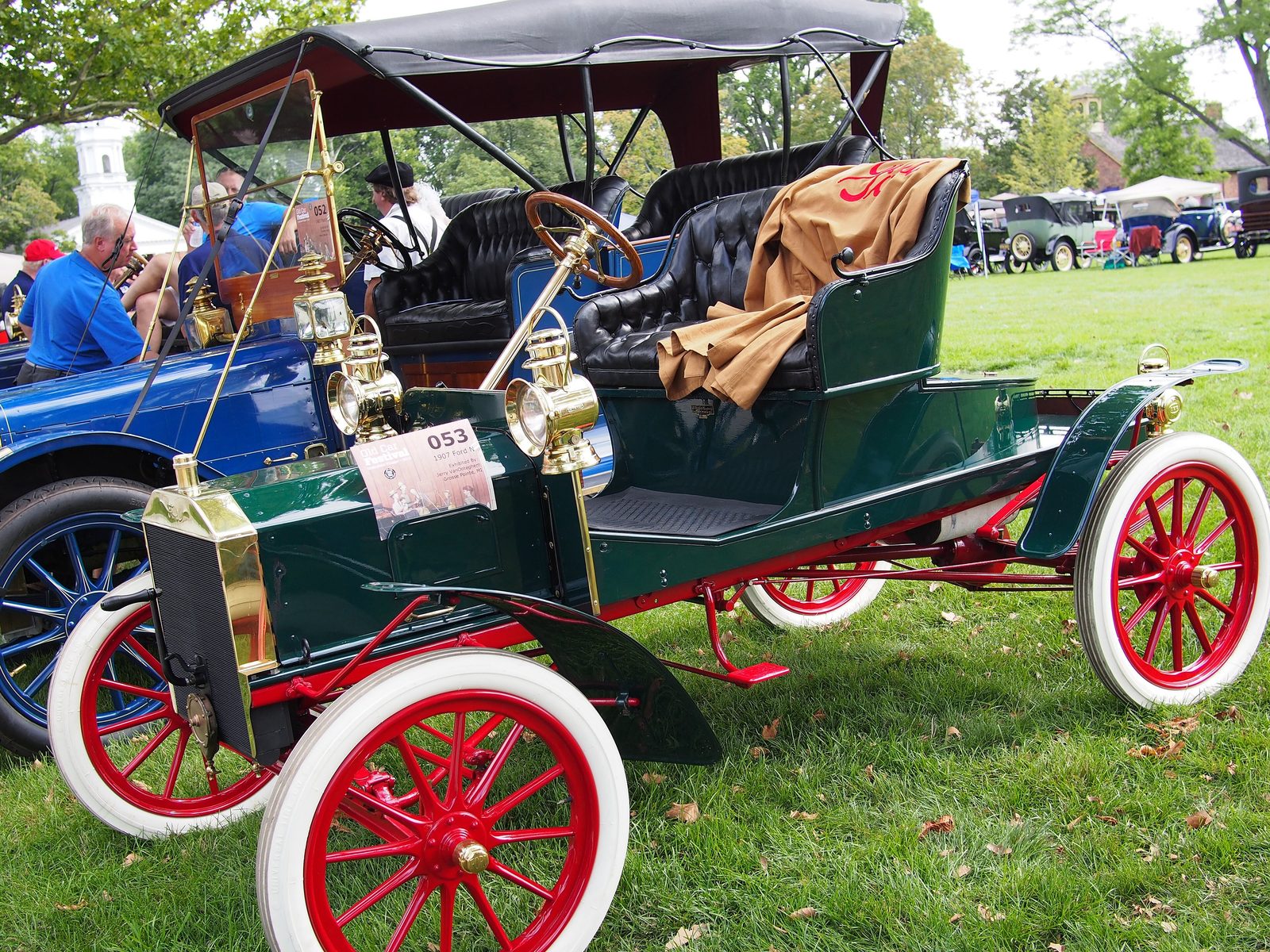
A 1907 Ford Model N at the Old Car Festival, September 2013
A 1907 Ford Model N at the Old Car Festival, September 2013 · F. D. Richards from Clinton, MI · CC BY-SA 2.0
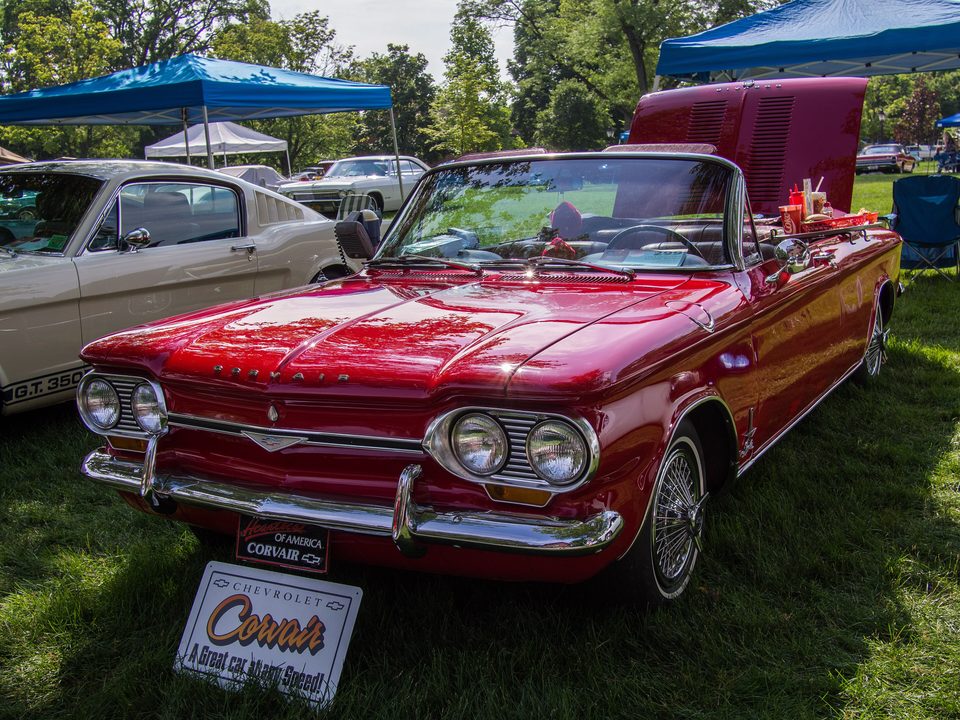
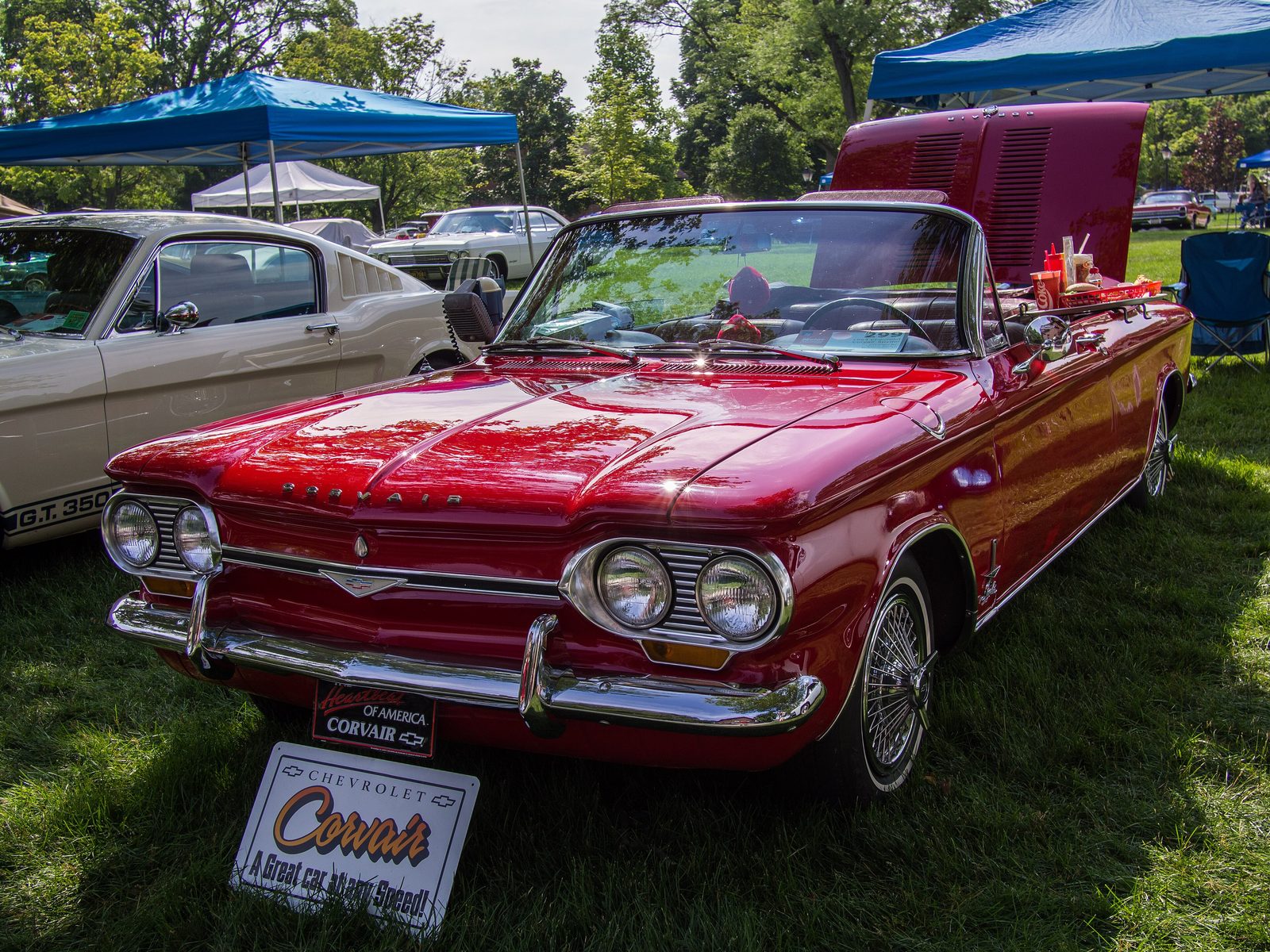
A 1964 Chevrolet Corvair at the Motor Muster vintage vehicle show, June 2015
A 1964 Chevrolet Corvair at the Motor Muster vintage vehicle show, June 2015 · F. D. Richards · CC BY-SA 2.0

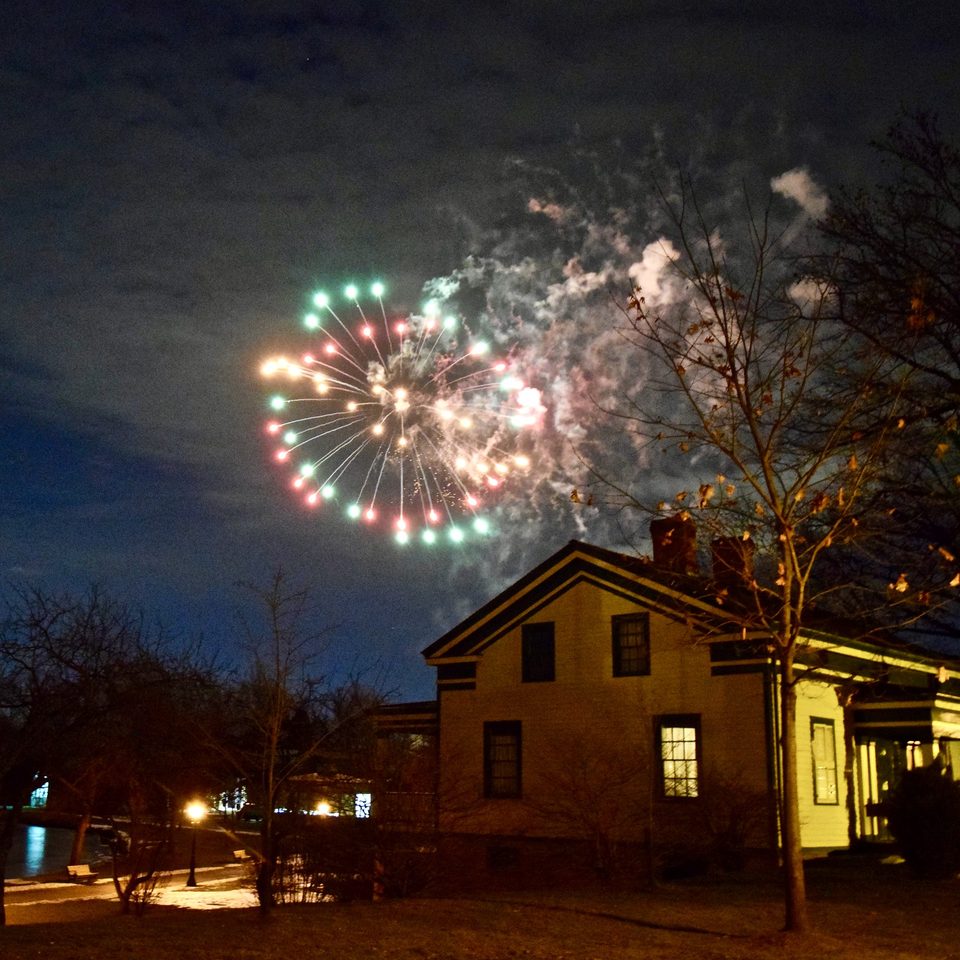
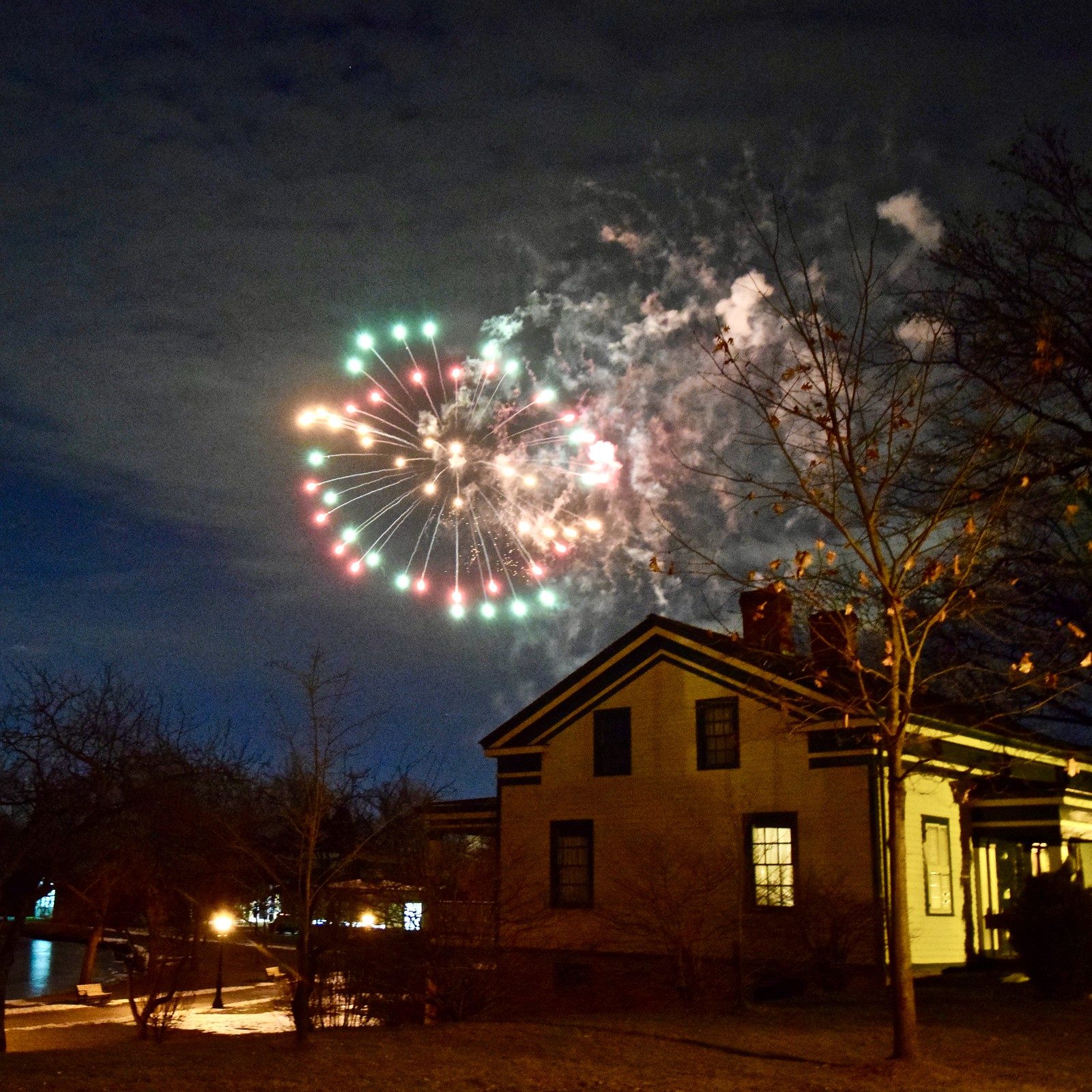
Already done in 2026: Motor Muster (June 20–21), Salute to America with the Detroit Symphony Orchestra (July 2–5), the World Tournament of Historic Base Ball (August 8–9) and the 75th Old Car Festival (September 12–13).

06 / Ford Rouge Factory Tour

Where can you watch pickups being built today?

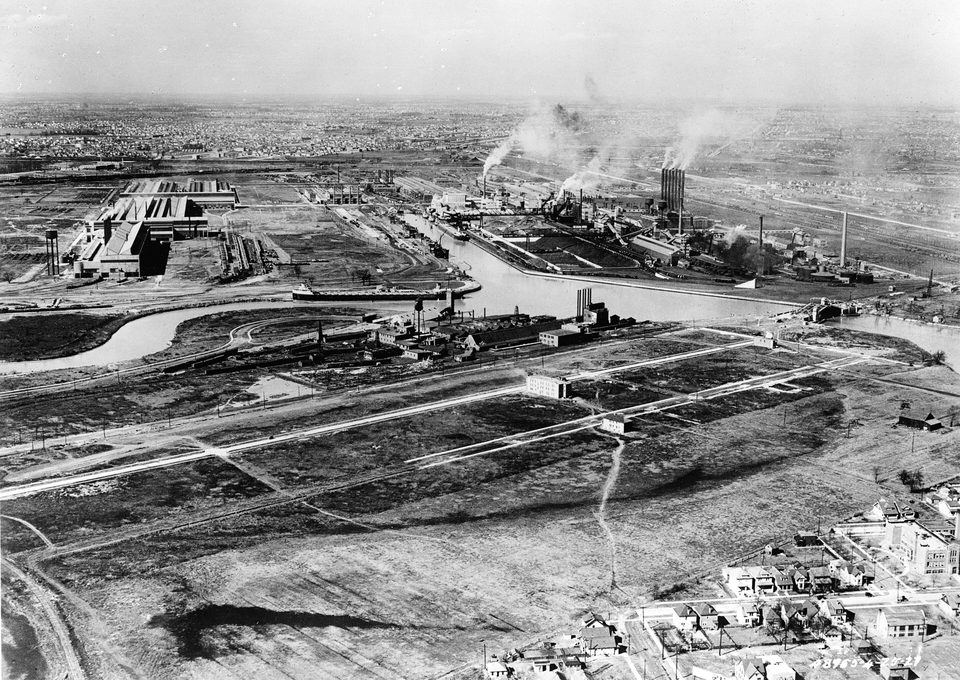
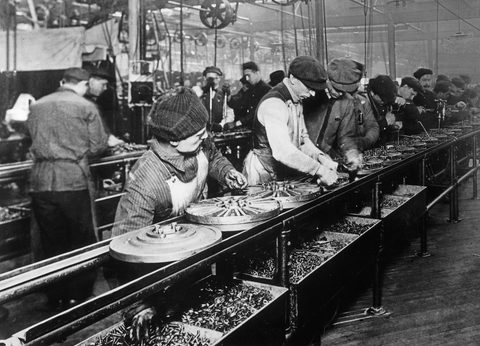
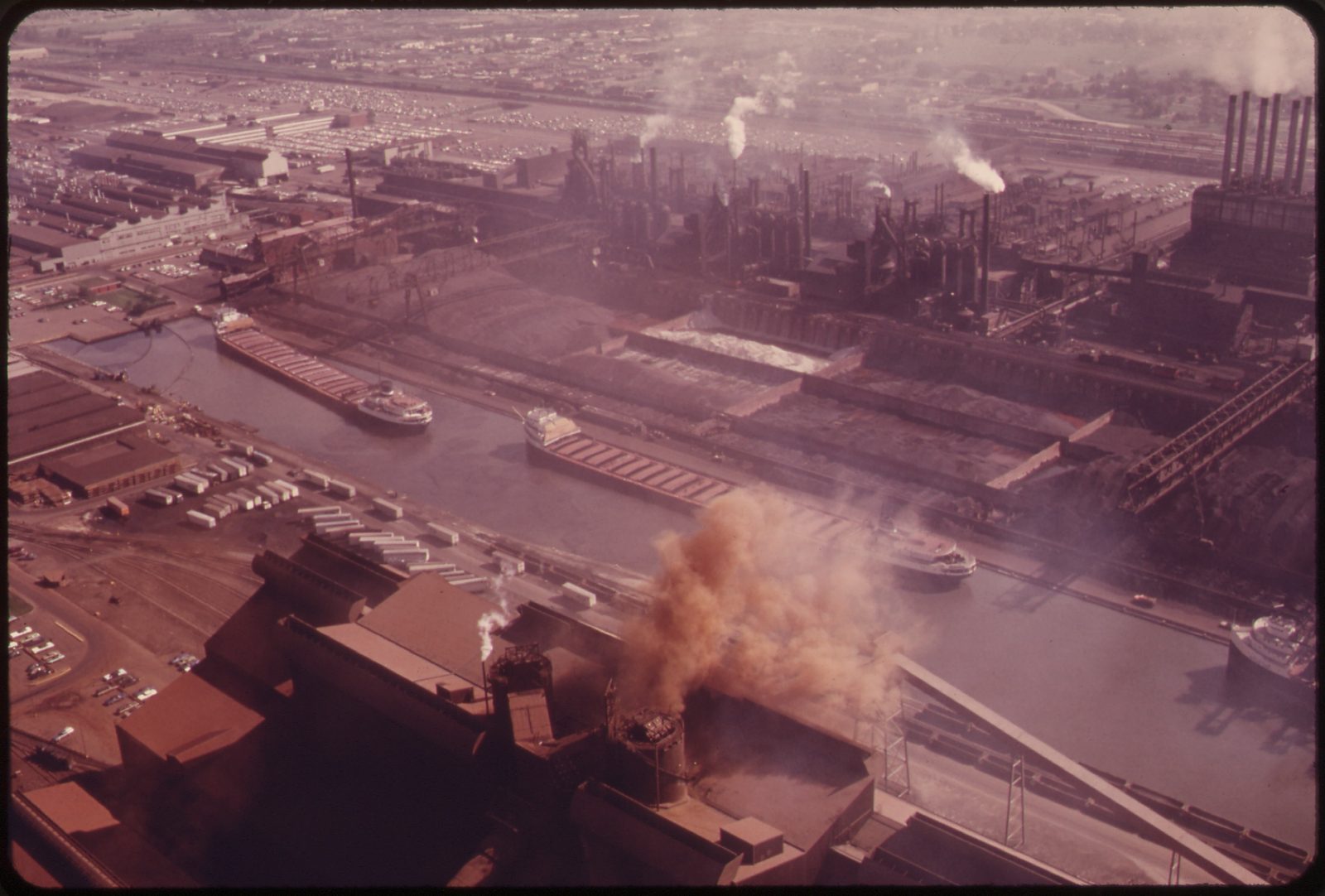
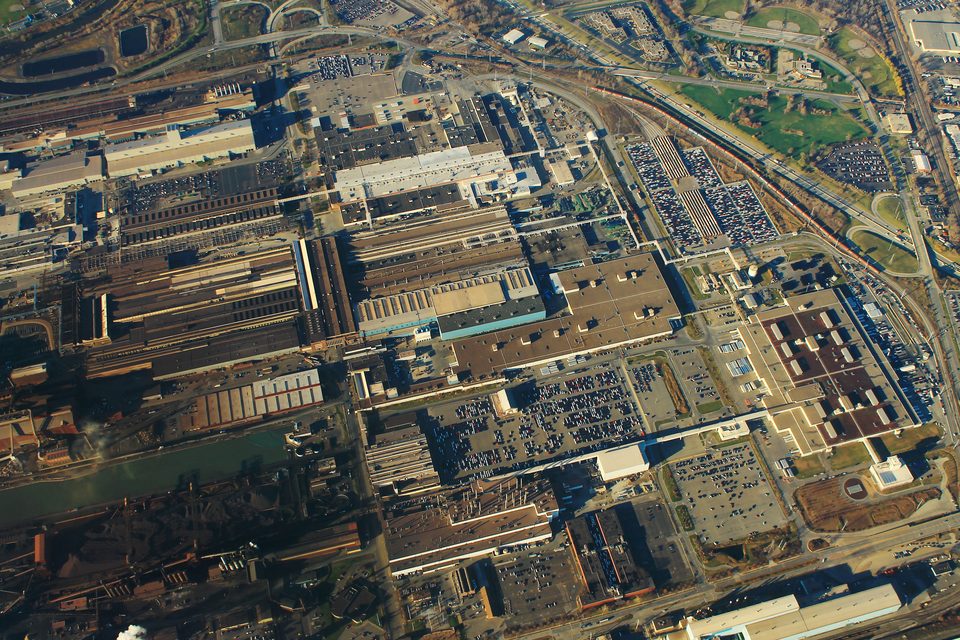
In 1928 the Rouge was the largest integrated factory in the world: 93 buildings, 100 miles of railroad track inside, and 103,000 workers in 1929. Today you walk a suspended walkway above the F-150 final assembly line in the Dearborn Truck Plant. You can’t drive there yourself: the ticket includes a bus from the circle drive in front of the museum.

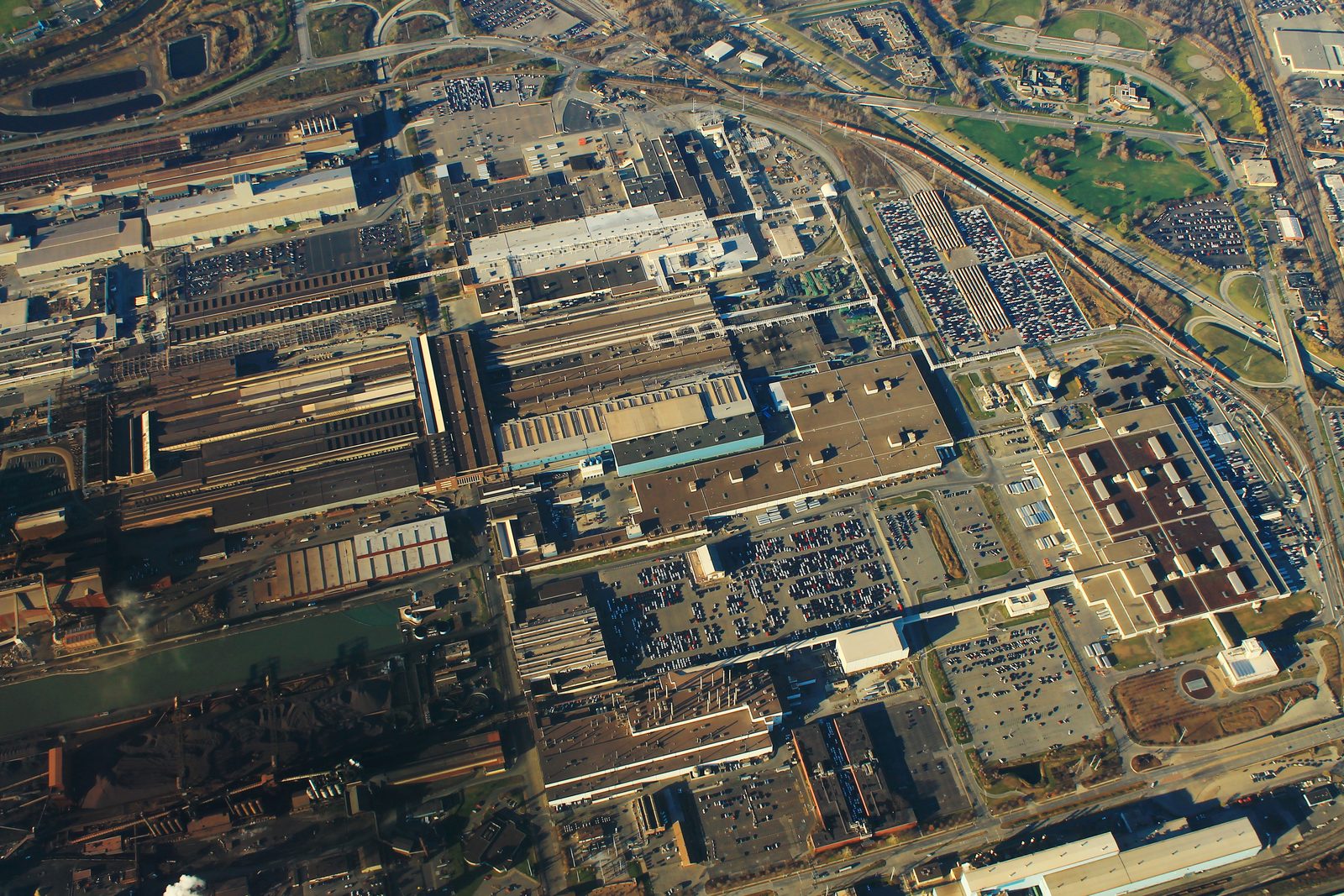
Aerial view of Ford’s River Rouge Complex in Dearborn (2015)
Aerial view of Ford’s River Rouge Complex in Dearborn (2015) · formulanone · CC BY-SA 2.0
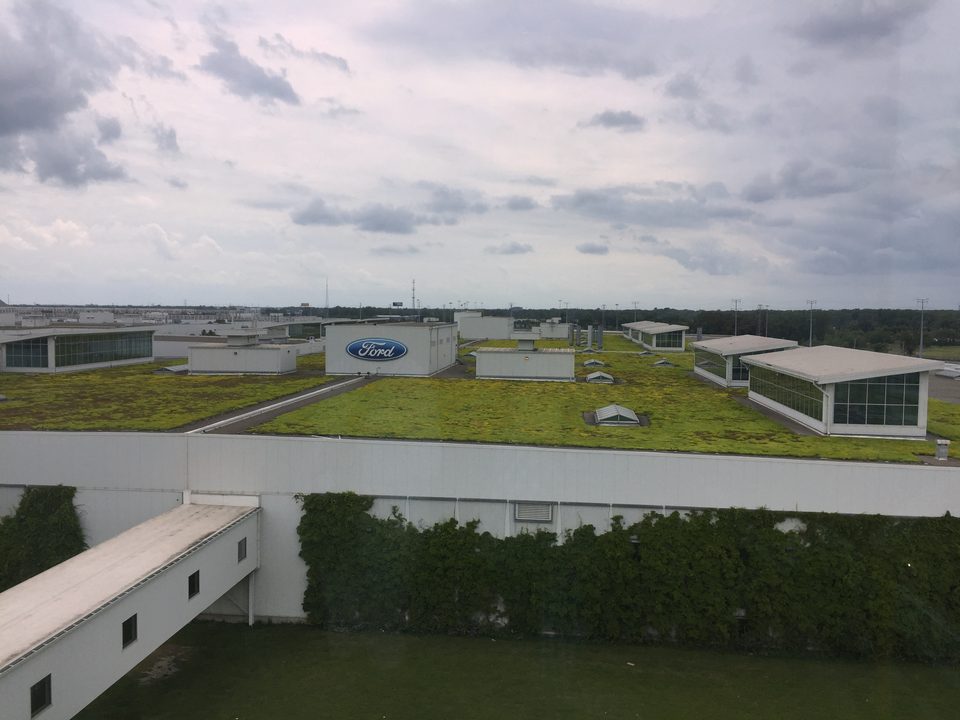
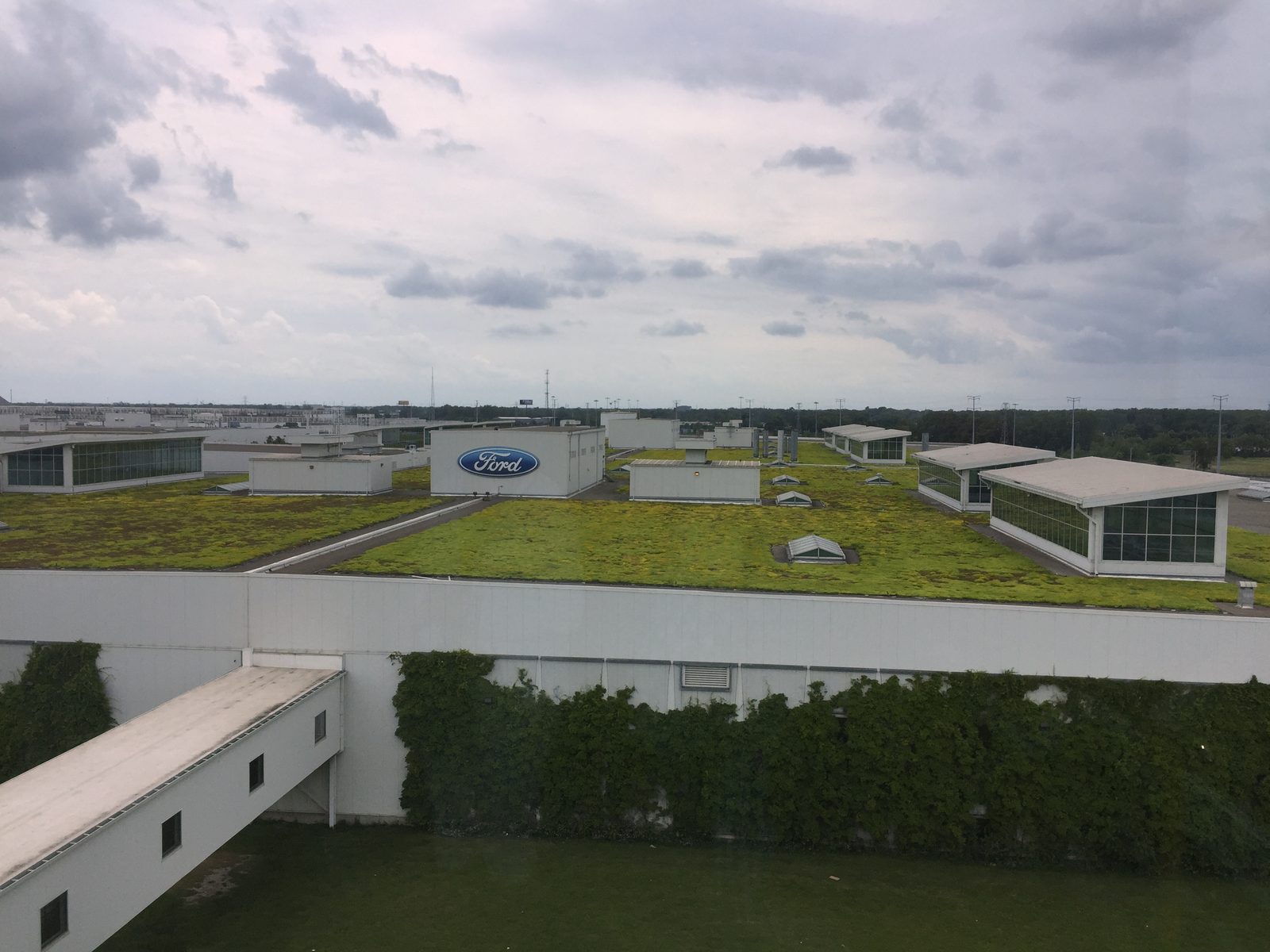
The Dearborn Truck Plant’s 10.4-acre living roof at the Rouge (2019)
The Dearborn Truck Plant’s 10.4-acre living roof at the Rouge (2019) · Antony-22 · CC BY-SA 4.0
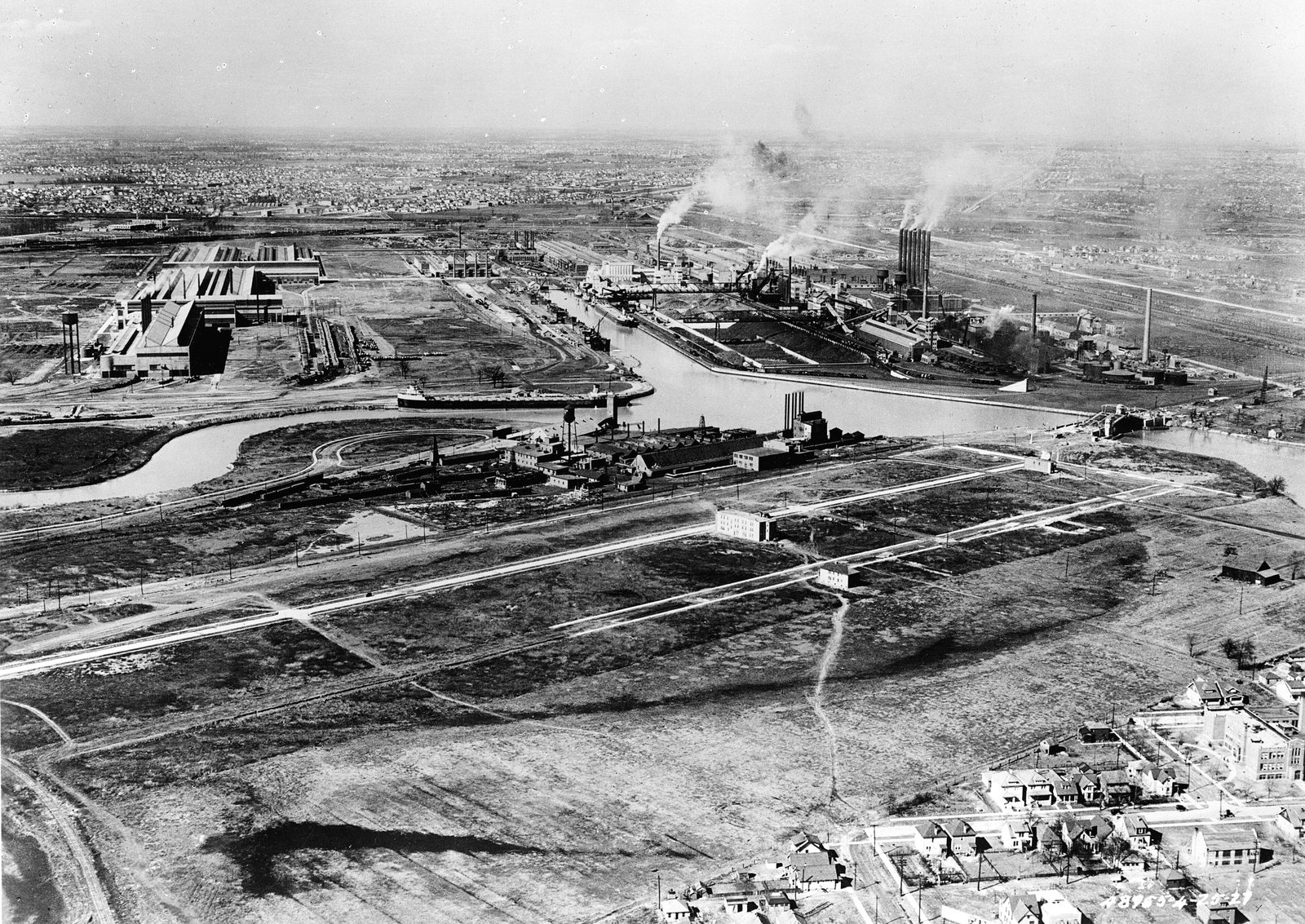
The River Rouge plant from the air around 1927; by 1928 it was the world’s largest integrated factory
The River Rouge plant from the air around 1927; by 1928 it was the world’s largest integrated factory · Detroit Publishing Co. · Public domain

The tour in five stops

  1. Legacy TheaterA three-screen film about the Rouge and the generations who worked there.
  2. Manufacturing Innovation Theater360 degrees of projection mapping, lasers and moving robots: how an F-150 gets made today.
  3. Observation DeckAbout 81 feet up, per the 2004 opening release, looking out over the living roof.
  4. Living RoofA 10.4-acre sedum roof on the plant. Guinness named it the world’s largest living roof in 2004.
  5. Plant walkA fully accessible walkway over F-150 final assembly. It’s open even when the line isn’t running.

The Rouge in brief

  1. 1915

    Henry Ford buys 2,000 acres of marshland along the Rouge River.

  2. 1917

    Construction starts on April 1; Albert Kahn designs most of the buildings. →

  3. 1921

    Fordson tractors come off the line, then the Model A from 1927 and the first V-8 Ford in 1932.

  4. 1932

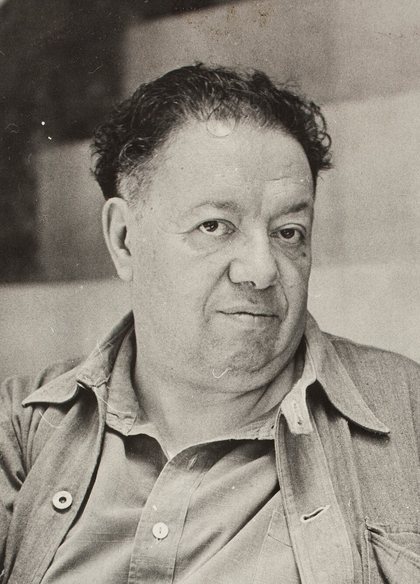
    Diego Rivera sketches the plant from April to July; he paints the Detroit Industry murals at the DIA in 1932 and 1933. → DIA →

  5. 1937

    On May 26, Ford Service Department men beat UAW organizers, including Walter Reuther: the Battle of the Overpass. →

  6. 1941

    Ford is the last major automaker to sign a contract with the UAW.

  7. 2004

    F-150 production starts in the new plant and public Rouge tours return for the first time since 1980.

07 / Getting there

How do you get there without a car?

Easier than you think. SMART’s FAST 261 bus runs from downtown to the Dearborn Transit Center in about half an hour, right next to the museum (about 400 meters as the crow flies). It’s $2, free for students. In the morning the Amtrak Wolverine gets you there in 16 minutes.

Scheduled times from SMART’s and Amtrak’s official data.

08 / People

Who were they? Find them in our lexicon

09 / Watch before you go

Watch before you go

Videos load only when you click, in YouTube’s privacy-enhanced mode.

The museum's own three-minute intro to its three big attractions and sprawling campus, so you can plan your day before you show up. The Henry Ford · 2:59
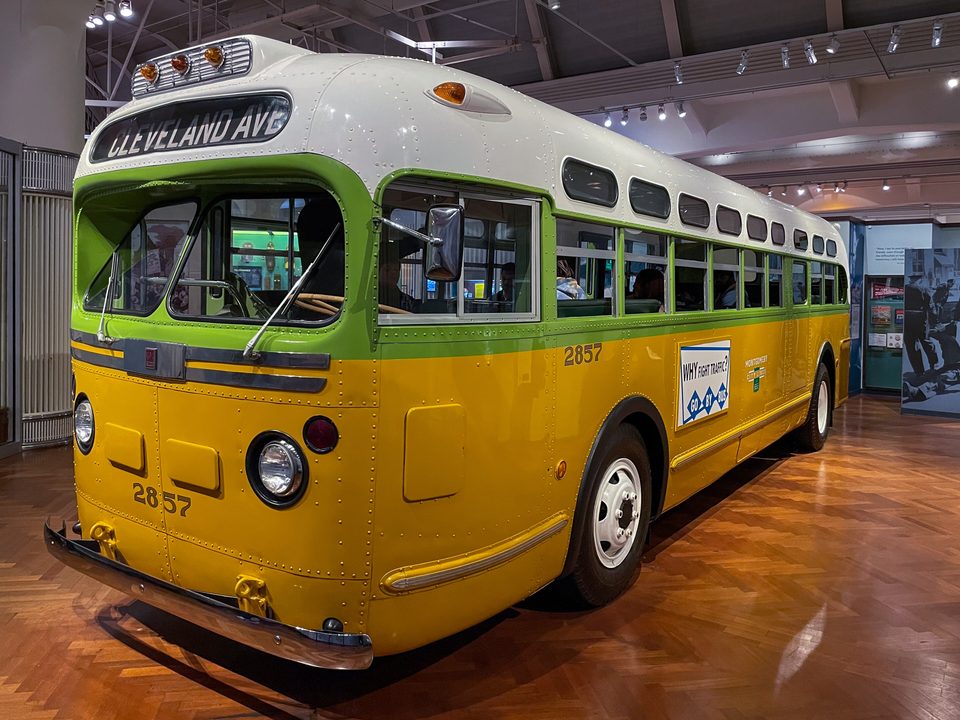
On December 1, 1955, Rosa Parks refused to give up her seat on this very bus, and today it sits right on the museum floor; this short film tells you why that moment changed everything. The Henry Ford · 3:52
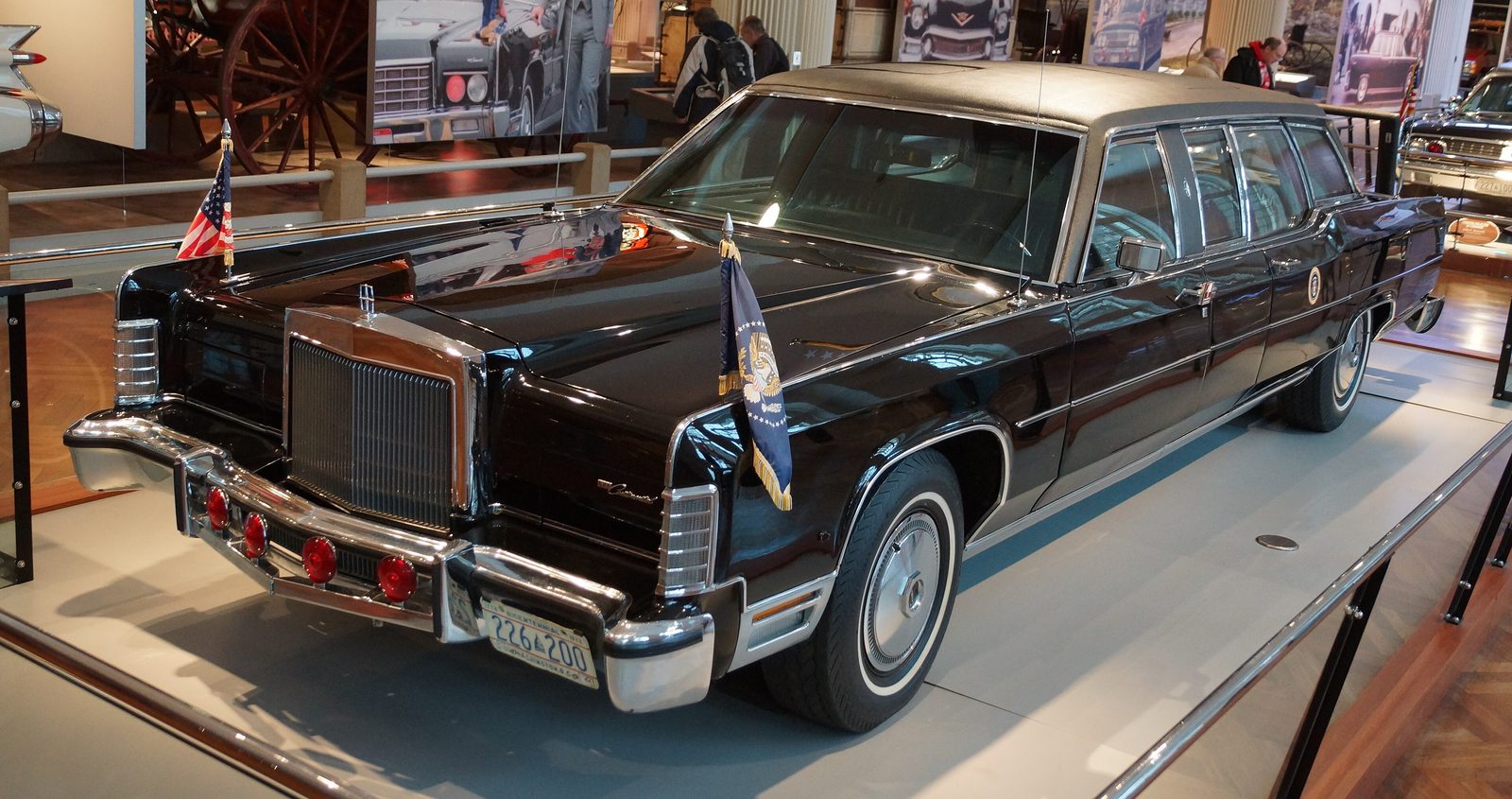
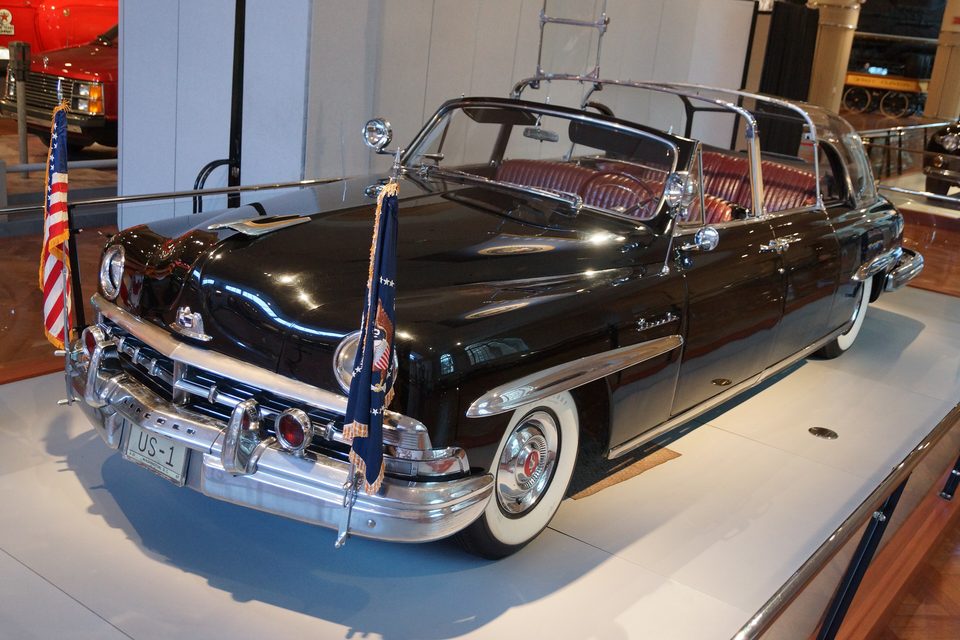
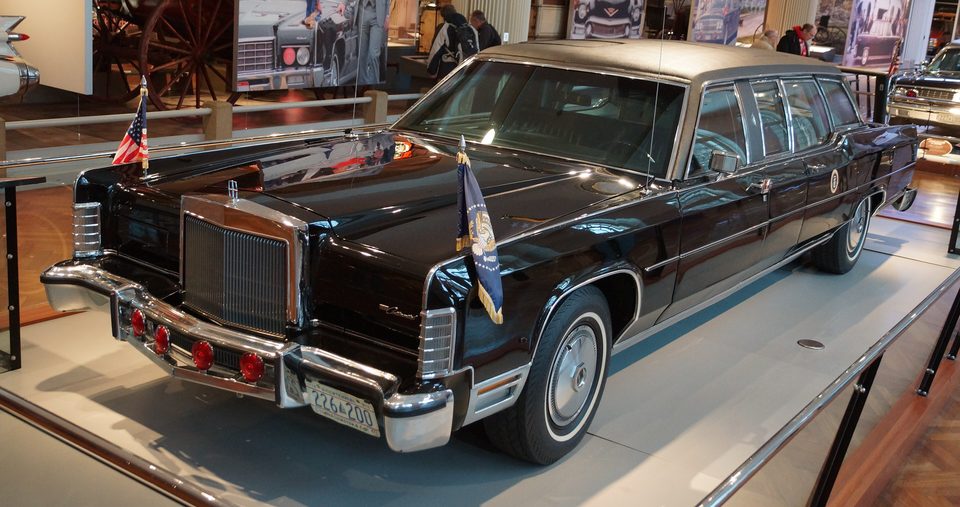
Innovation Nation tells the story of presidential limousines, filmed right next to JFK's 1961 Lincoln, so you'll know exactly what you're looking at when you see it in person. The Henry Ford · 4:07
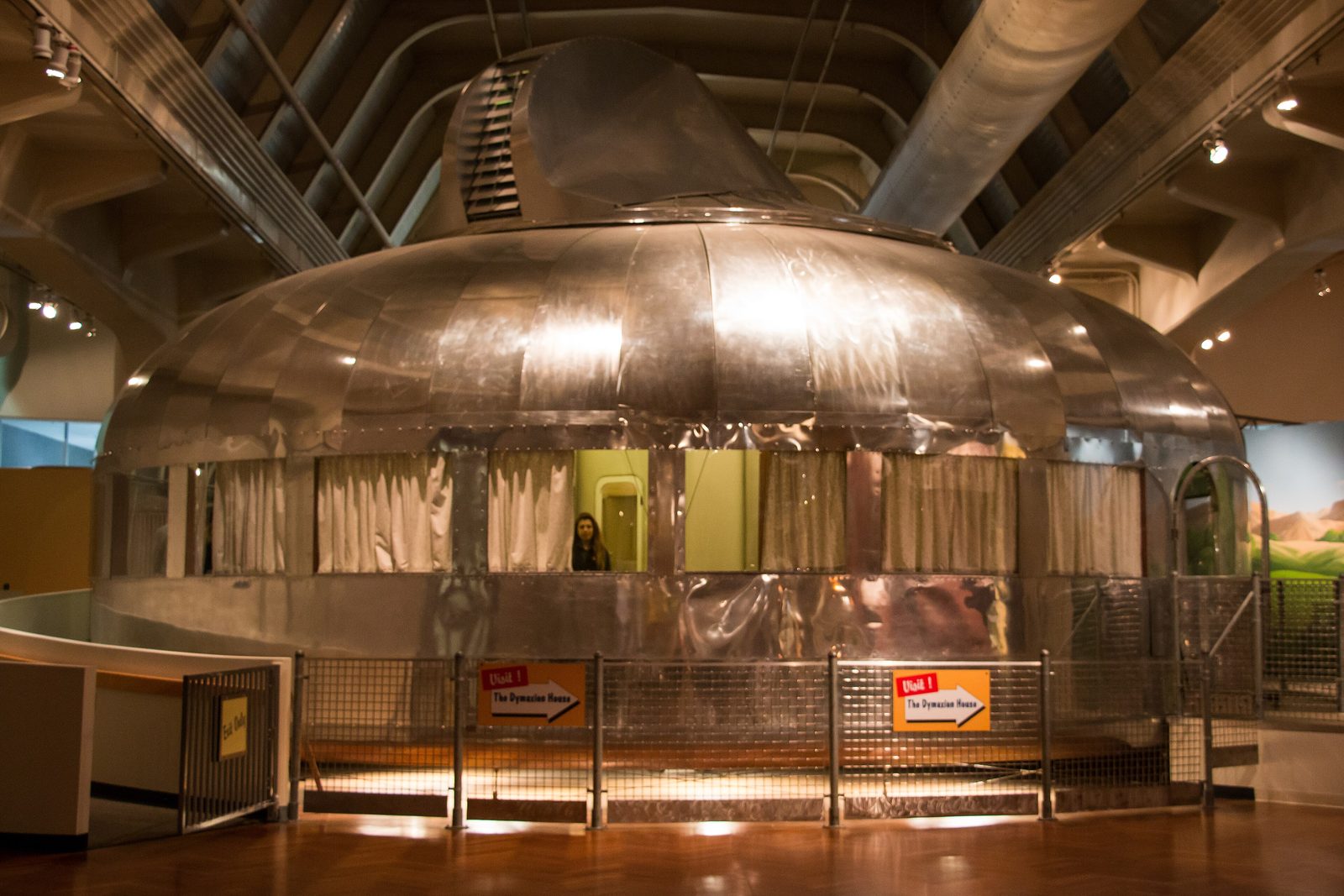
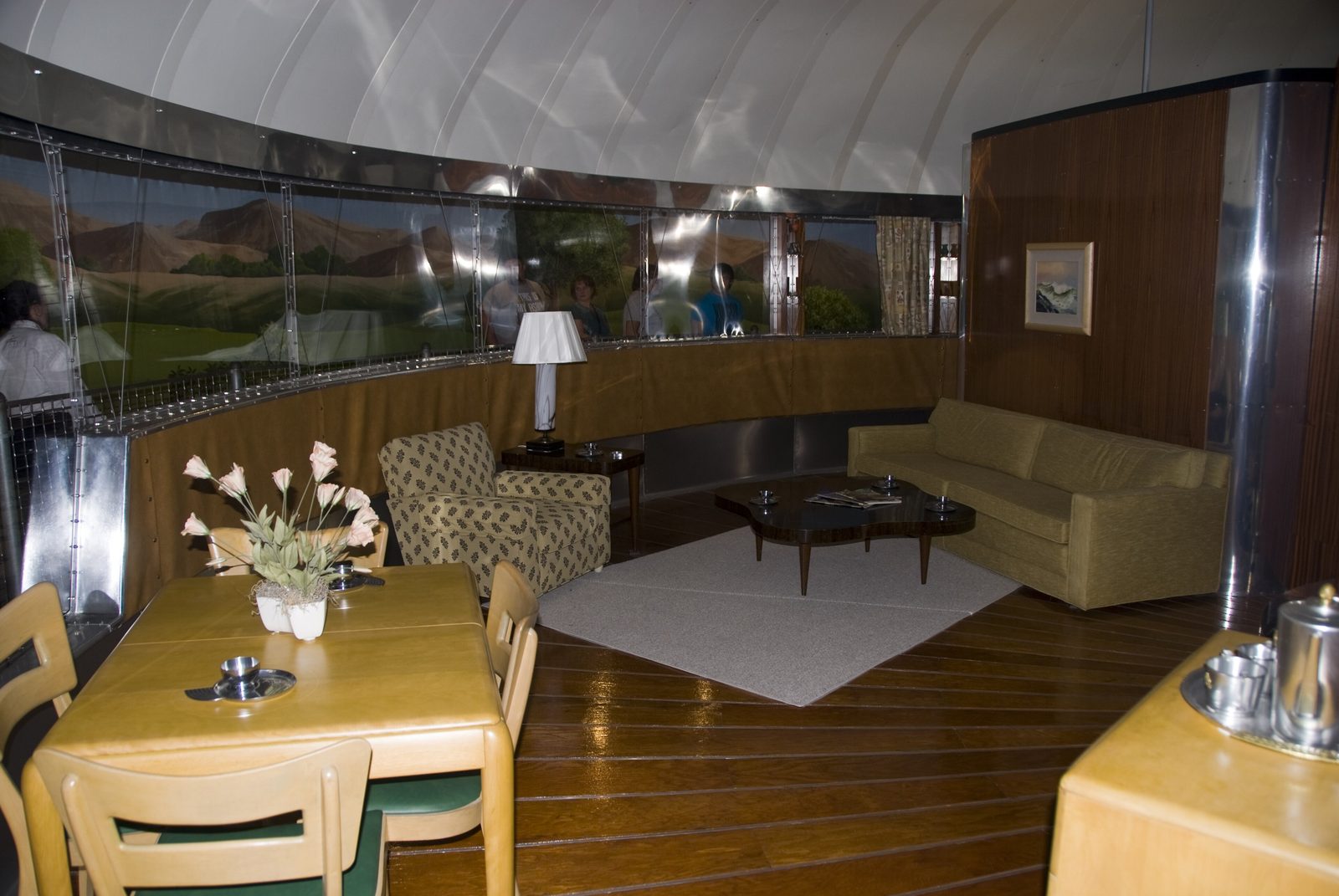
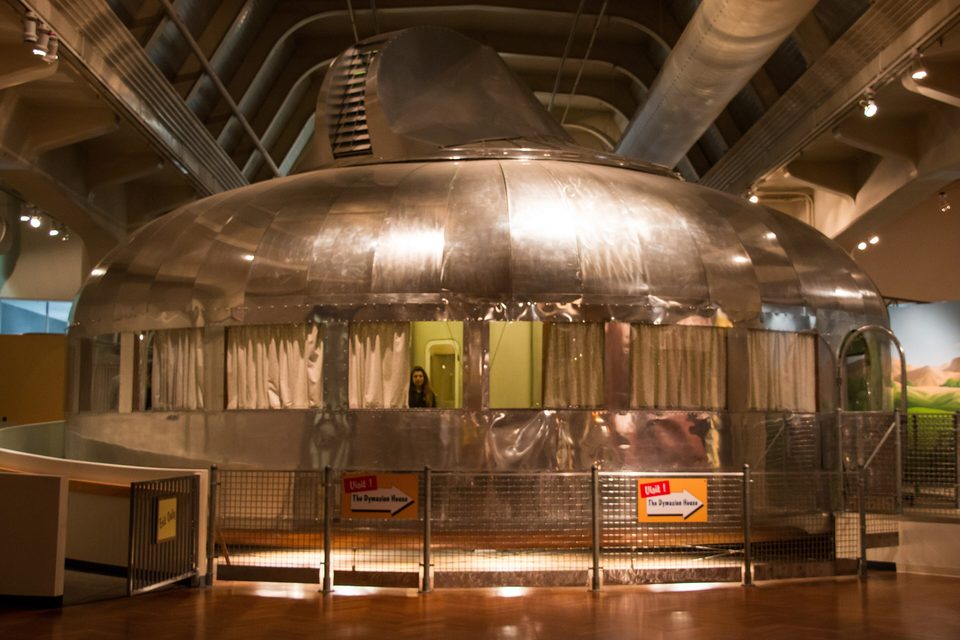
Buckminster Fuller's round metal house borrowed its ideas from Ford-style mass production but never made it past the prototype; take a quick walk through it before you step inside yourself. The Henry Ford · 3:35
A quick three-minute history of the Model T, filmed among the real thing, the perfect warm-up before you hop into one yourself in Greenfield Village. The Henry Ford · 3:16
Mo Rocca sits down with the curator to find out how restoring Henry Ford's birthplace turned into an entire village of historic buildings moved to Dearborn. The Henry Ford · 3:41
Edison's Menlo Park lab now stands in Greenfield Village; watch these four minutes and you'll know exactly what to look for when you walk in. The Henry Ford · 4:01
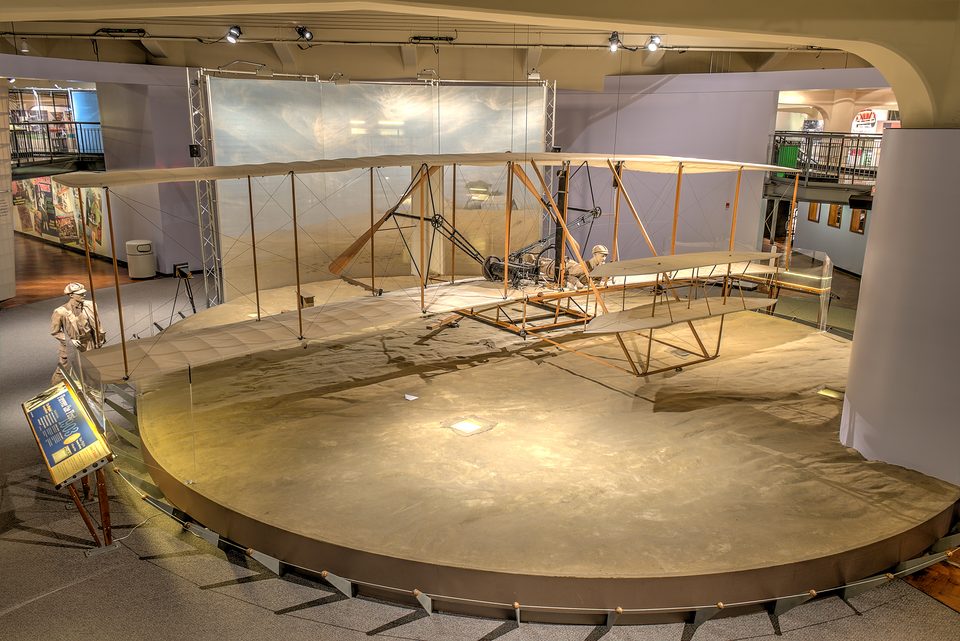
From 1897 to 1908 the Wright brothers sold and fixed bikes in this Dayton shop, and built their 1903 Flyer here too; now the whole building is waiting for you in Greenfield Village. The Henry Ford · 4:17
Henry Ford dreamed of one complex that took raw ore all the way to a finished car; this segment runs through everything built at the Rouge, from tractors to the Mustang, and what you'll see on the tour today. The Henry Ford · 3:41
One minute of one of the most beloved haunts at Hallowe'en in Greenfield Village, back every October with fall fun, storybook characters and ghostly performances. The Henry Ford · 1:06

In-depth guide · Dearborn

The Henry Ford: everything worth knowing

In Dearborn, about half an hour by bus from downtown, one campus holds Rosa Parks’ bus, the Kennedy limousine, Edison’s last breath in a test tube and the Wright brothers’ bike shop. The Henry Ford is four places in one: a museum, an open-air village, a factory tour and a giant-screen theater. Here’s what not to miss, what it costs, how to get there without a car, and how a kid from Makó, Hungary ended up in the secret room where the Model T was born.

Checked: 2026-09-26

01 / What does it cost, and when is it open?

What does it cost, and when is it open?

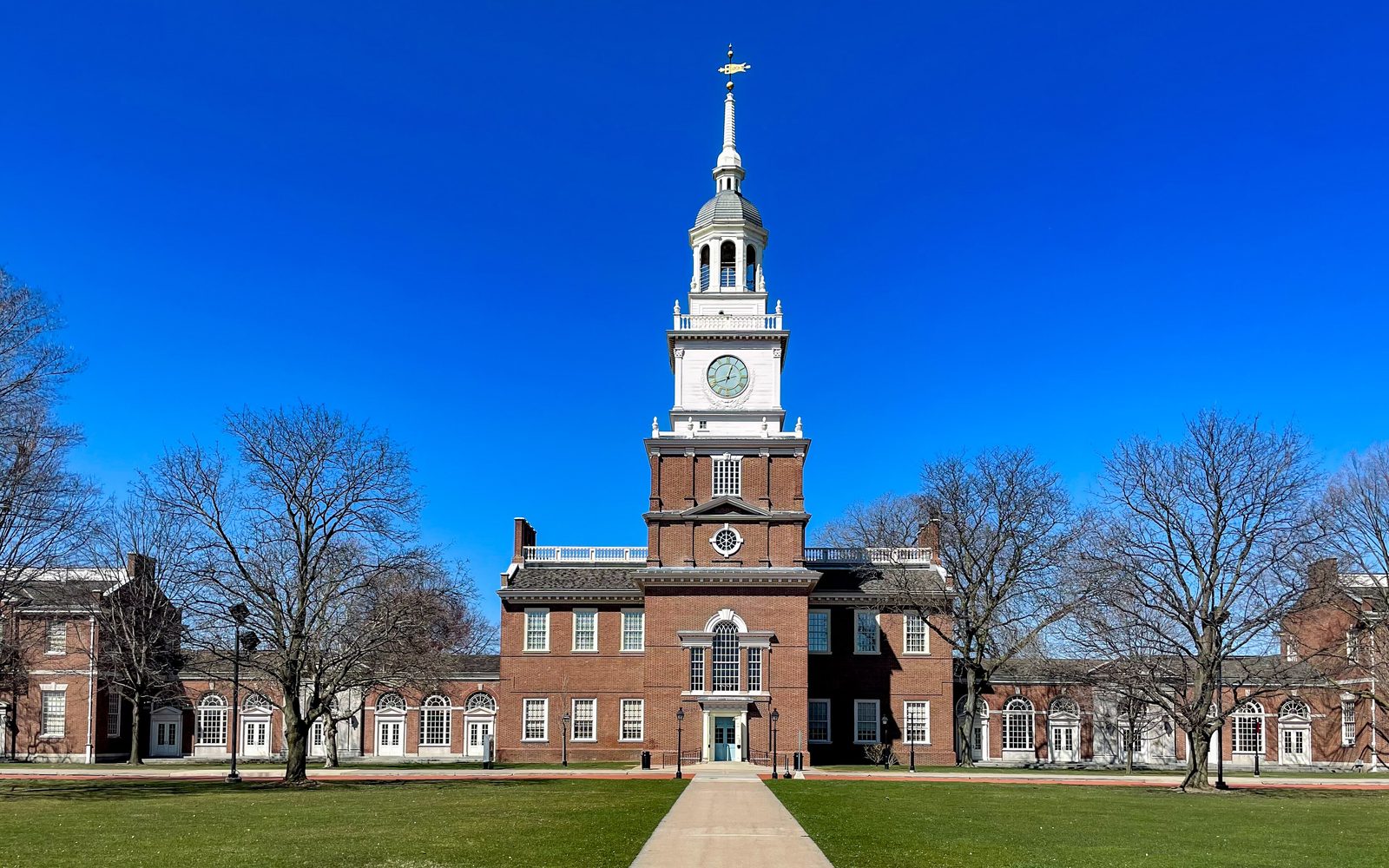
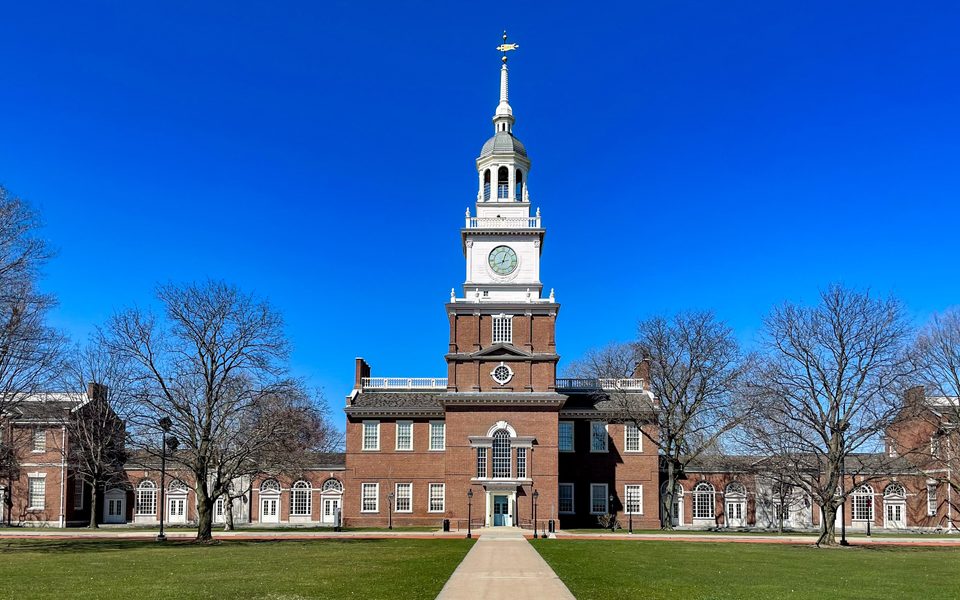
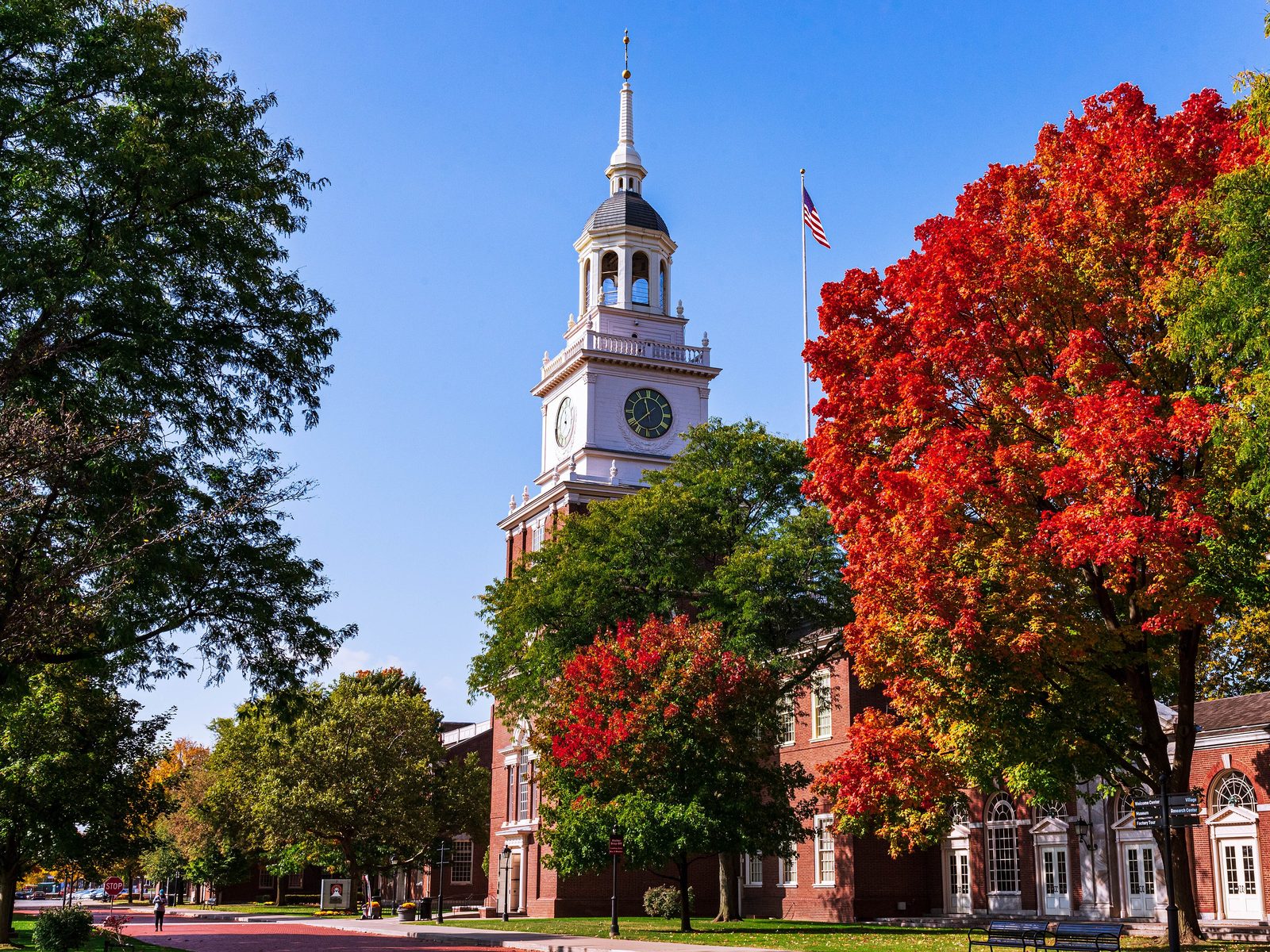
Fall color in front of the museum’s clock tower in Dearborn, October 2020
Fall color in front of the museum’s clock tower in Dearborn, October 2020 · CoolRockC · CC BY-SA 4.0
Prices and hours
VenueAdult (online)Hours in 2026
Museum$34–$39Daily 9:30 a.m.–5 p.m.; closed November 26 (Thanksgiving) and December 25
Greenfield Village$37–$399:30 a.m.–5 p.m., seasonal (see the village); October 2–25 until 3 p.m.
Ford Rouge Factory Tour$24, bus includedMonday–Saturday 9:30 a.m.–5 p.m., last bus 3 p.m.; closed Sundays, Thanksgiving and Christmas Day
Giant Screen Experience$10–$13 by film, $1 more for 3DWednesday–Sunday 9:30 a.m.–5 p.m.
All-Access Package (all four venues)$93.50–$98.75Covers all four venues
BOGO (two venues, second at 50% off)$54–$61.50Recommended for one- or two-day visits; cheaper online
Main Attractions (museum, village and Rouge)$73.50–$76.50On-site purchase only
Parking$10 per carFree for members and Giant Screen-only visitors

Seniors 62+ get 10% off, kids 5–11 get 25% off, and 4 and under are free. The contact center answers Monday–Friday 9 a.m.–5 p.m., Saturday 9 a.m.–3 p.m. and Sunday 9 a.m.–1 p.m.

What does an adult pay? Bars show the priciest date
TicketOnline price
Giant Screen$10–$13
Rouge tour$24
Museum$34–$39
Greenfield Village$37–$39
BOGO, two venues$54–$61.50
Main Attractions, three venues$73.50–$76.50
All-Access, all four$93.50–$98.75

Source: The Henry Ford admission page, September 26, 2026. Parking and service fees not included.

Discounts, membership, refunds

  • Museums for All: with a SNAP/EBT or WIC card it’s $3 per person per venue (museum, village, Rouge), up to four guests per card, and parking is waived. Show your card at a ticket counter.
  • Military: active-duty US military get into the museum and village free all year (CAC or DD Form 1173).
  • Tribal nation citizens (including Canadian First Nations, Inuit and Métis): free museum and village admission all year with a tribal ID or band card.
  • Other discounts: AAA 10% (not on packages), Ford employees and Hagerty Drivers Club members 15%. Bank of America cardholders get into the museum free on the first full weekend of every month (Museums on Us).
  • Annual membership: for example Individual $75 ($100 with rides) or Family $235 ($335 with rides). You get unlimited museum and village visits, free parking, free traditional films, 15% off the Rouge tour, 10% off dining and shopping, and presale for Hallowe’en and Holiday Nights. A day ticket’s value can go toward a membership (special-event tickets can’t).
  • Refunds: tickets are nonrefundable. For illness or injury, the contact center can change your date. Online you can add FanShield ticket protection, but it doesn’t cover weather.

Sources: The Henry Ford: admission · The Henry Ford: discounts · The Henry Ford: membership · The Henry Ford: hours · The Henry Ford: policies · The Henry Ford: directions · Giant Screen Experience

Back to contents ↑
02 / How much time do you need, and how should you plan the day?

How much time do you need, and how should you plan the day?

There’s no set schedule. The Henry Ford itself says there’s no amount of time that suits every visitor, though a couple of well-placed hours make a great museum visit. Its combo tickets are recommended for one- or two-day visits. The day plans below are our suggestions, built on the official hours.

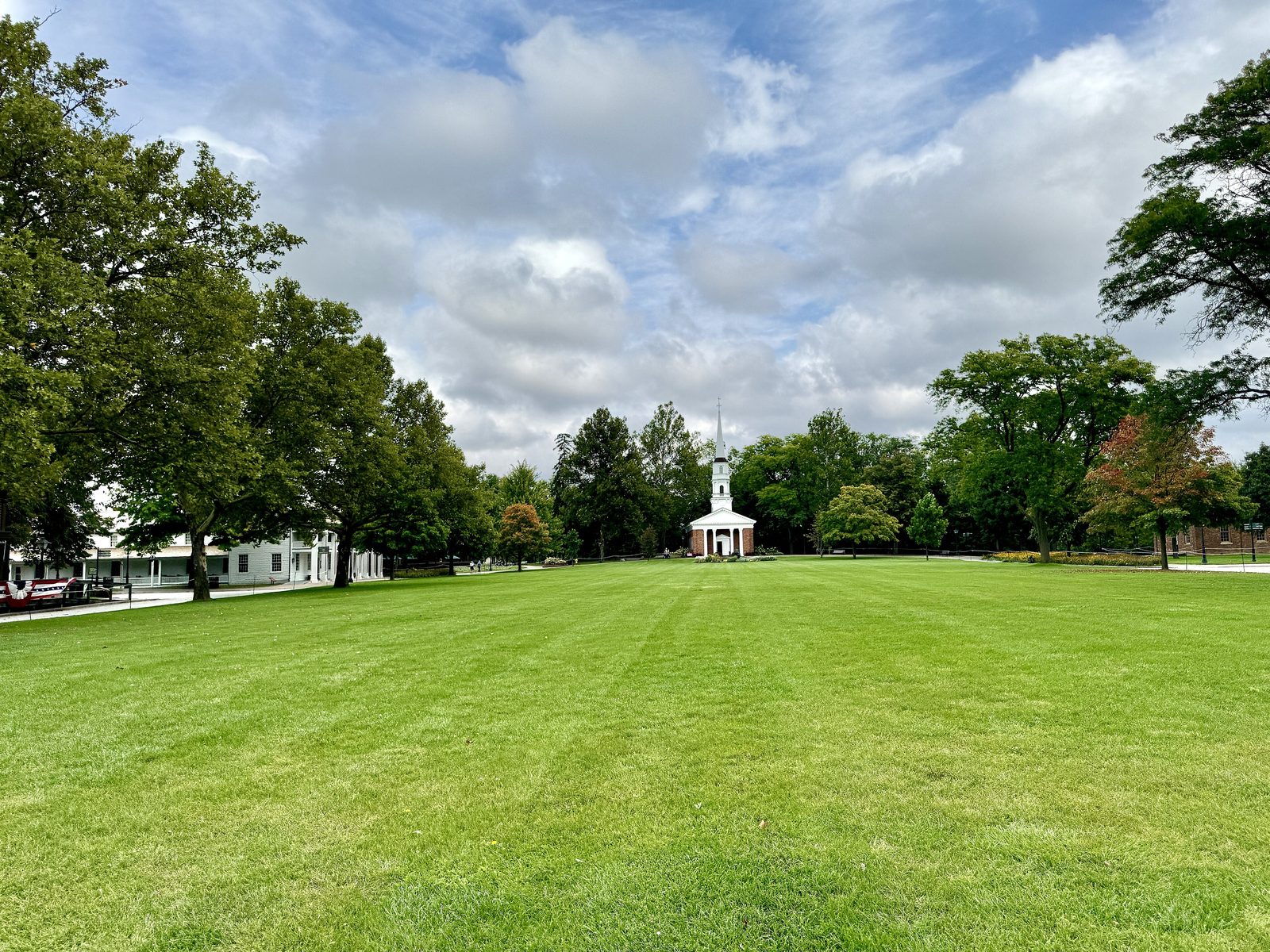
The Village Green, the heart of the village, with Martha-Mary Chapel at the far end (2024)
The Village Green, the heart of the village, with Martha-Mary Chapel at the far end (2024) · w_lemay · CC BY-SA 2.0
How much time to budget
VenueHow longTip
MuseumA couple of well-placed hours; a full day if you want it allStart with the fifteen must-sees
Greenfield VillageNo official figure; 80+ acres, seven districtsBuy ride tickets on site
Ford Rouge Factory TourAt least two hours on site, plus about an hour of bus timeGo on a weekday; the last bus leaves at 3 p.m.
Giant Screen ExperienceDocumentaries run under an hour; Space: The New Frontier is 25 minutesClosed Mondays and Tuesdays

One weekday, two venues: the Rouge and the museum

  1. 9:30 a.m.: the museum opens. Arrive on the 9:35 a.m. train or a morning FAST 261, with a BOGO ticket ($54–$61.50) bought online.
  2. Morning: hop on the Rouge bus out front while the line is surely running. Allow two and a half to three hours with the bus.
  3. Lunch: in the museum, at Lamy’s Diner (a real late-1940s Massachusetts diner) or Plum Market Kitchen, both 11 a.m.–3 p.m.
  4. Afternoon: the museum, with Rosa Parks’ bus, the Kennedy limousine, Edison’s last breath, the Dymaxion House and Joseph Galamb’s tractor. It closes at 5 p.m.
  5. Home: on FAST 261; weekday buses run until 11:03 p.m.

A day in the village, in season

  1. 9:30 a.m.: the village opens. Grab a Ride Pass at the ticket counter if you want the Model T and the steam train.
  2. Morning: the Henry Ford’s Model T district (his birthplace, the Mack Avenue Plant, a Model T ride), then Edison’s lab.
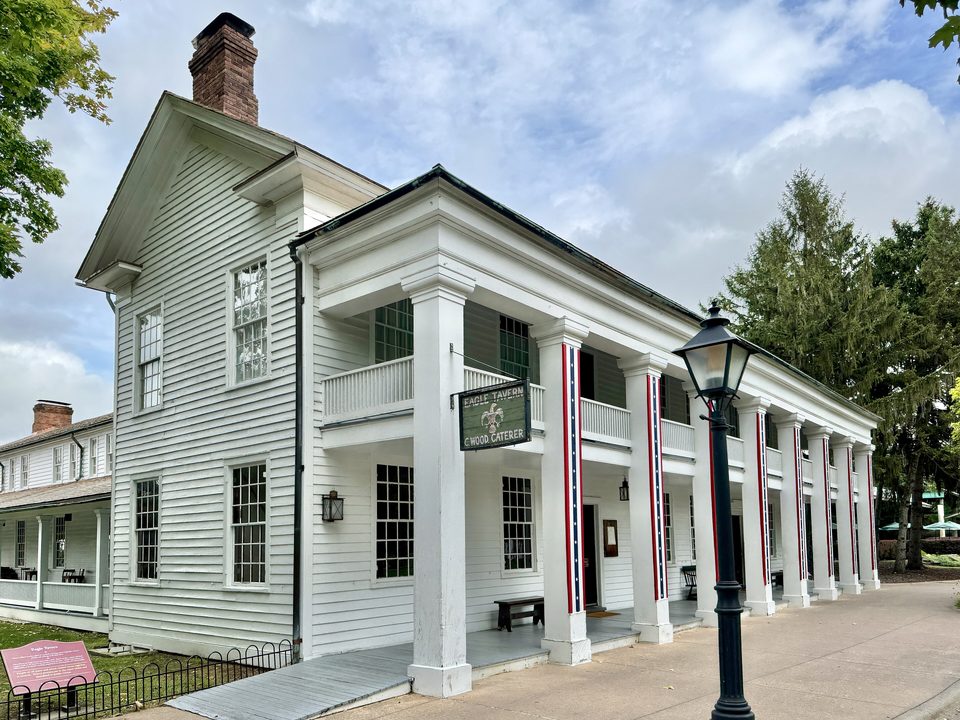
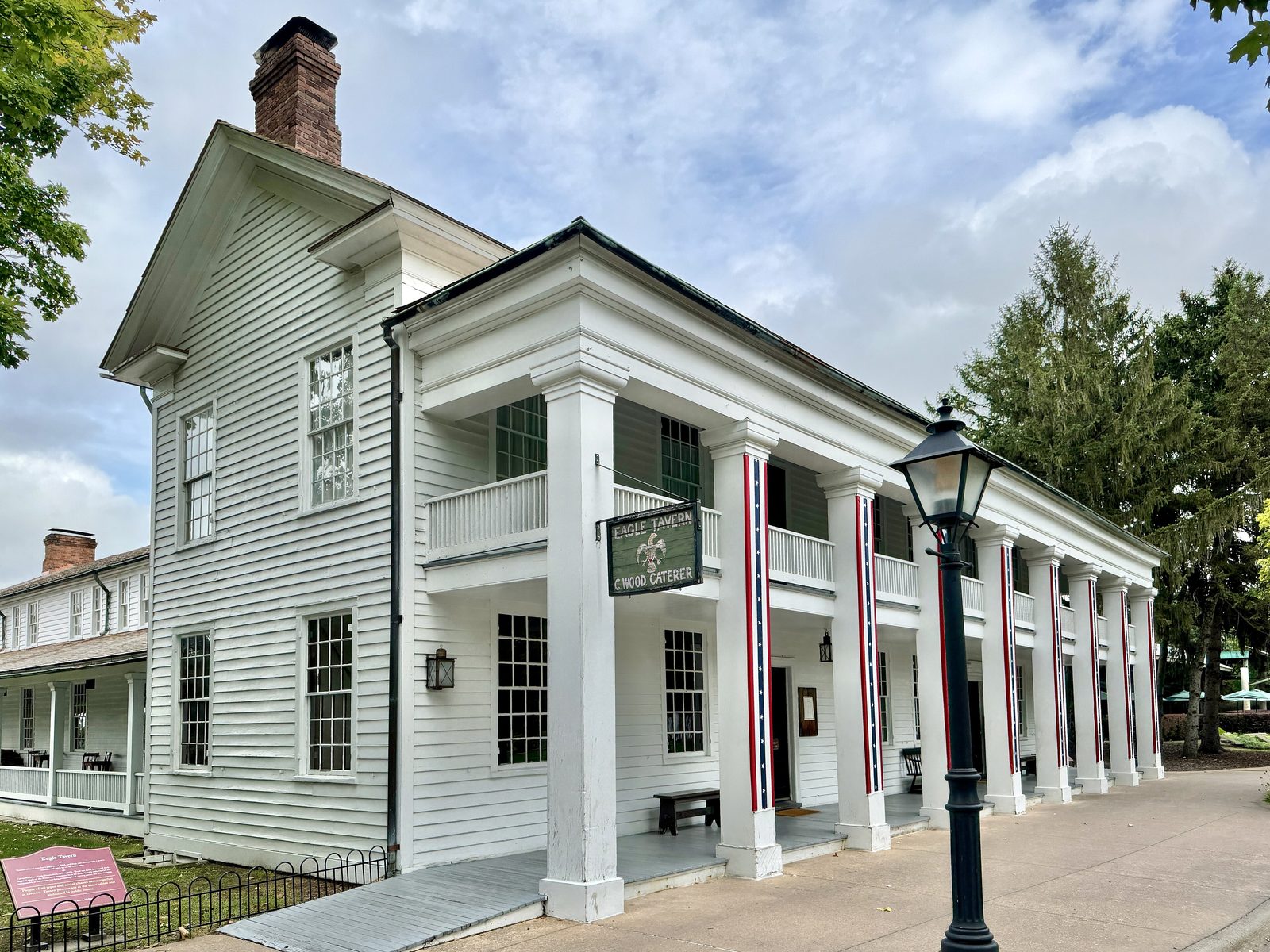
  3. Lunch: Eagle Tavern, 11 a.m.–3 p.m., off an 1850 menu.
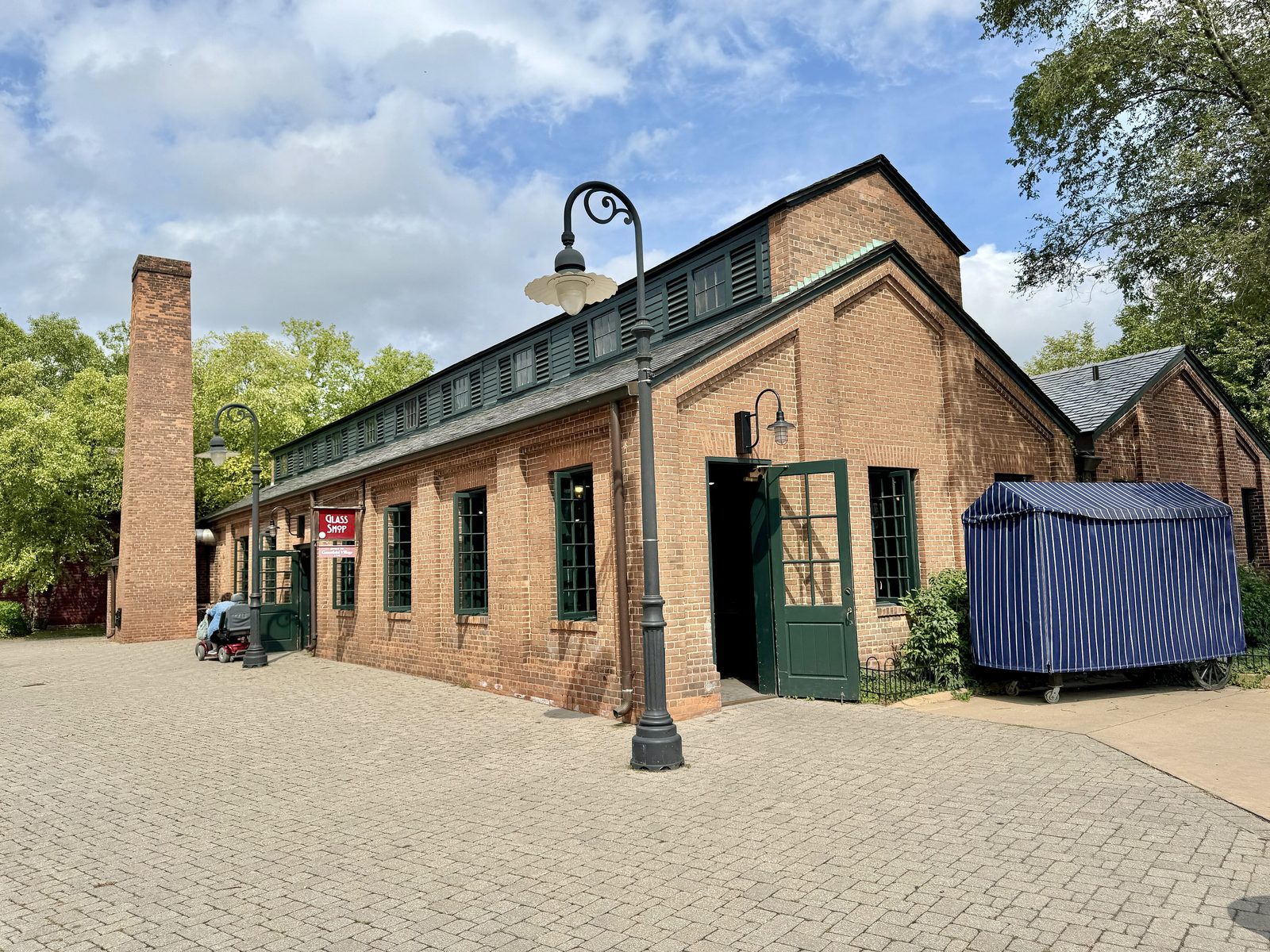
  4. Afternoon: the Wright brothers’ shop, glassblowing at Liberty Craftworks, Firestone Farm and a loop on the steam train.
  5. Heads-up: from October 2 to 25, 2026, the village closes at 3 p.m. and opens Friday–Sunday only.

Sources: The Henry Ford museum tips (archived April 2025) · Ford Rouge tips (archived December 2025) · The Henry Ford: admission · The Henry Ford: build my tour · Ford Rouge Factory Tour · The Henry Ford: hours · The Henry Ford: limited mobility · The Henry Ford: dining · Giant Screen Experience · SMART GTFS timetable (valid 2026-09-07 to 2027-01-03) · Amtrak GTFS timetable (valid 2026-09-26 to 2026-10-02)

Back to contents ↑
03 / Where do you eat, what are the rules, and how accessible is it?

Where do you eat, what are the rules, and how accessible is it?

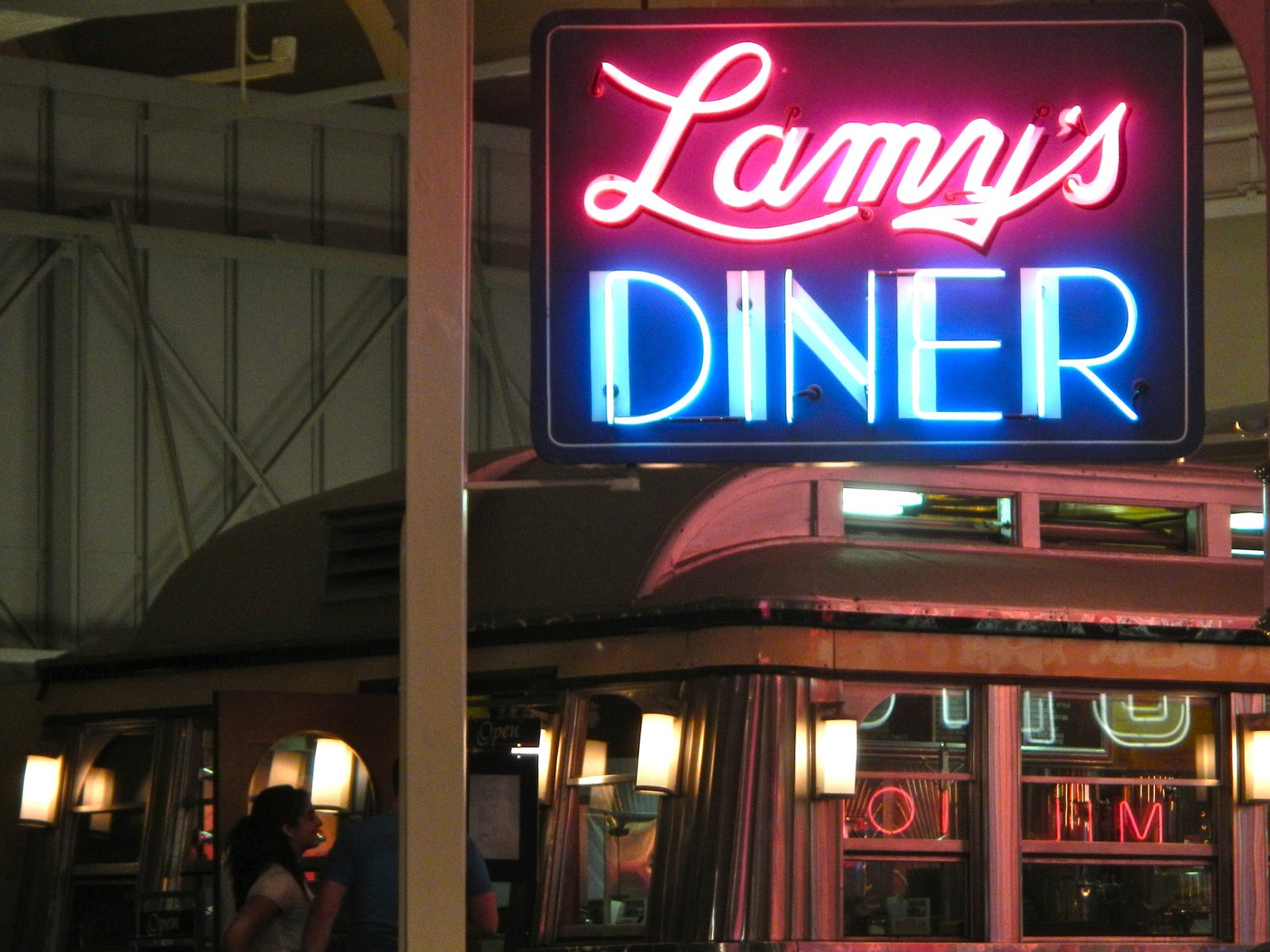
The Lamy’s Diner neon sign: the late-1940s Massachusetts diner still serves lunch inside the museum (photo: 2013)
The Lamy’s Diner neon sign: the late-1940s Massachusetts diner still serves lunch inside the museum (photo: 2013) · PunkToad · CC BY 2.0
Where to eat
WhereVenueHours
Plum Market Kitchen: chef-curated food, Zingerman’s coffee and baked goodsMuseumLunch 11 a.m.–3 p.m. daily
Lamy’s Diner: a real late-1940s Massachusetts dinerMuseumLunch 11 a.m.–3 p.m. daily
Eagle Tavern: historic stagecoach tavern, 1850-style foodGreenfield Village11 a.m.–3 p.m.
A Taste of HistoryGreenfield Village9:30 a.m.–4 p.m.
Stand 44: scratch cooking with Great Lakes produceGreenfield VillageDuring village hours
Sir John Bennett Sweet ShopGreenfield Village9:30 a.m.–4 p.m.
Frozen CustardGreenfield Village11 a.m.–5 p.m.
Owl Night Lunch WagonGreenfield Village11 a.m.–3 p.m.
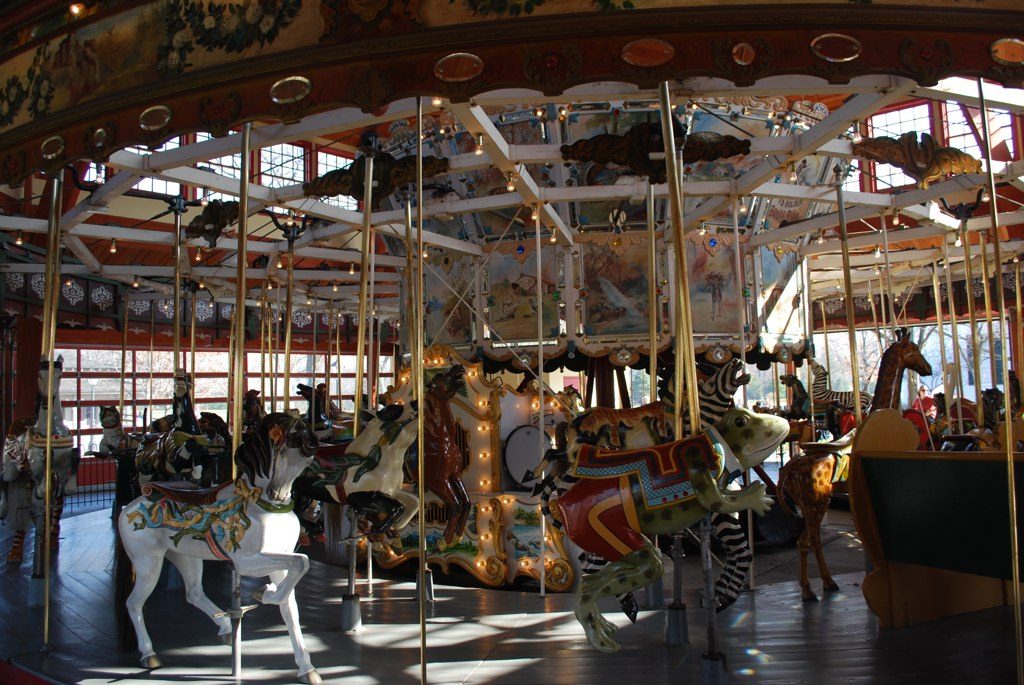
Carousel ConcessionsGreenfield Village11 a.m.–4 p.m.

Beer and wine are sold daily, and members get 10% off. Cotswold Cottage Tea is closed for the season. Kitchens aren’t allergen-free, but staff can point you to vegan, gluten-free and allergen-sensitive options.

House rules

  • Photos: allowed in the museum and village; at the Rouge only in the Legacy Gallery; no photos or video in the Giant Screen theater. Selfie sticks are banned at every venue.
  • Food and drink: a small amount of your own food and drink is fine; outside alcohol isn’t.
  • Smoking: only in signed designated areas.
  • Animals: no pets. Service dogs and miniature horses are welcome; emotional-support, comfort and therapy animals aren’t. Service dogs in training (at least a year old) can go everywhere except Greenfield Village.
  • Wheels: no bicycles, recreational scooters or skates.
  • Bags: The Henry Ford publishes no bag, locker or coat-check policy, so check ahead if you’re bringing something big.
  • Languages: visitor maps come in ten languages (Arabic, Chinese, French, German, Italian, Japanese, Korean, Portuguese, Russian, Spanish). The THF Connect app (iOS and Android) has curator-led audio tours and interactive maps.

Accessibility

  • Rentals: wheelchairs $4 a day and a limited number of motorized scooters $25 a day, first come, first served, no reservations, at the Museum Welcome Center or the village ticket building. Scooter drivers must be 16+ with a valid driver’s license; 350 lb max. No scooter rentals during Salute to America, Hallowe’en or Holiday Nights. Strollers are $5 a day (leave a driver’s license), free at the Rouge.
  • Museum: all entrances are accessible. Not accessible: the Allegheny cab, the combine cab, the Rosa Parks bus interior (stairs) and the Dymaxion House (narrow door). Two companion-care restrooms with adult changing tables are in the front promenade.
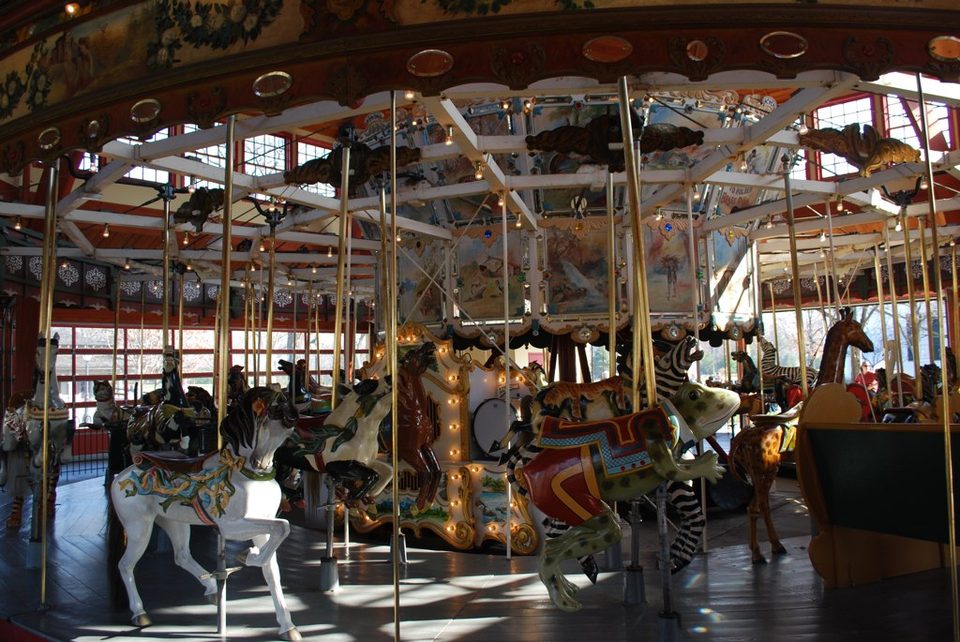
  • Greenfield Village: all entrances and restrooms are accessible (companion-care restroom with adult changing table in Stand 44), but some historic buildings aren’t. Cross railroad tracks at 90 degrees. The Model T, omnibus, Model AA bus and carousel require a transfer; the Weiser Railroad has a lift (500 lb).
  • Rouge: complimentary wheelchairs at the Visitor Center on request; every tour bus is wheelchair accessible and takes smaller personal scooters; all exhibit areas and factory walkways are accessible.
  • Giant Screen: stadium seating with stairs, an elevator with staff escort, wheelchair spaces with companion seats, assistive-listening headsets, and captions and audio description for select films.
  • Sensory support: free sensory kits (noise-canceling headphones, earplugs, communication board) at the Museum Welcome Center and village ticket building; free monthly sensory-friendly Giant Screen showings with advance registration at accessibility@thehenryford.org.
  • Hearing and vision: ASL interpretation with two weeks’ notice, printed transcripts of the Rouge Legacy Theater on request, 90-minute tactile museum tours with two to three weeks’ notice, and the free Aira Explorer app for live visual description.
  • Nursing: private nursing rooms in the museum and village, and Mamava pods near the museum’s east entrance and inside A Taste of History.
  • Parking: accessible spaces in the West Lot near the Museum Welcome Center and in the East Lot by the village entrance; drop-off zones in front of the museum and at the village ticket building.

Sources: The Henry Ford: dining · The Henry Ford: visiting FAQ · The Henry Ford: policies · The Henry Ford: limited mobility · The Henry Ford: accessibility · Accessibility: autism spectrum · Accessibility: deaf or hard of hearing · Accessibility: blind or low vision · Accessibility: food allergies · Eagle Tavern · Greenfield Village

Back to contents ↑
04 / How did a farm boy’s collection become one of America’s great museums?

How did a farm boy’s collection become one of America’s great museums?

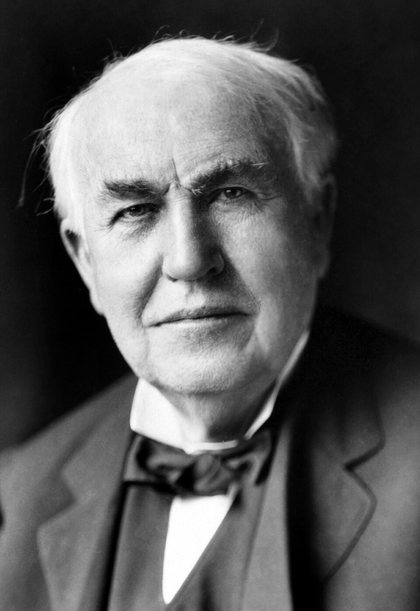
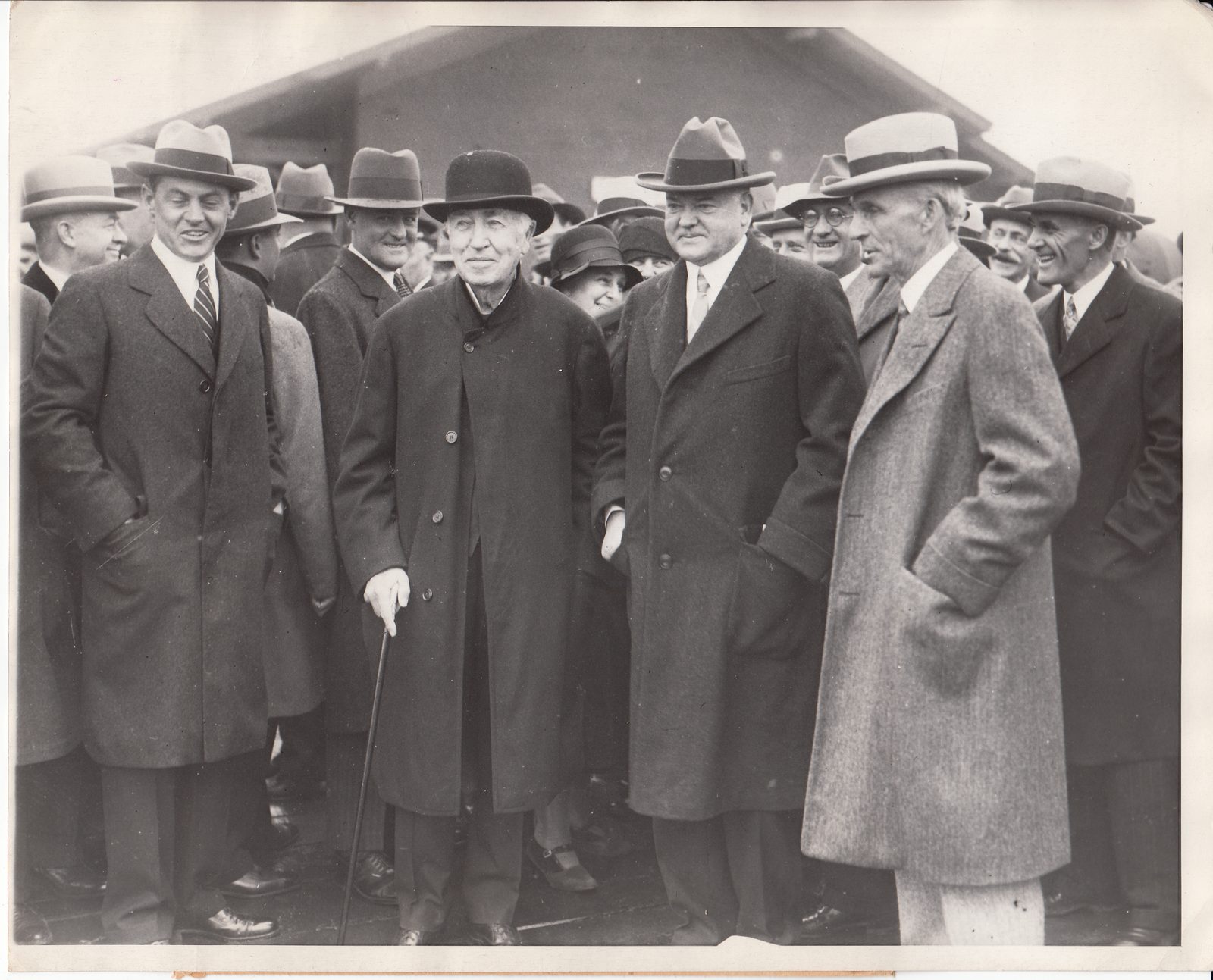
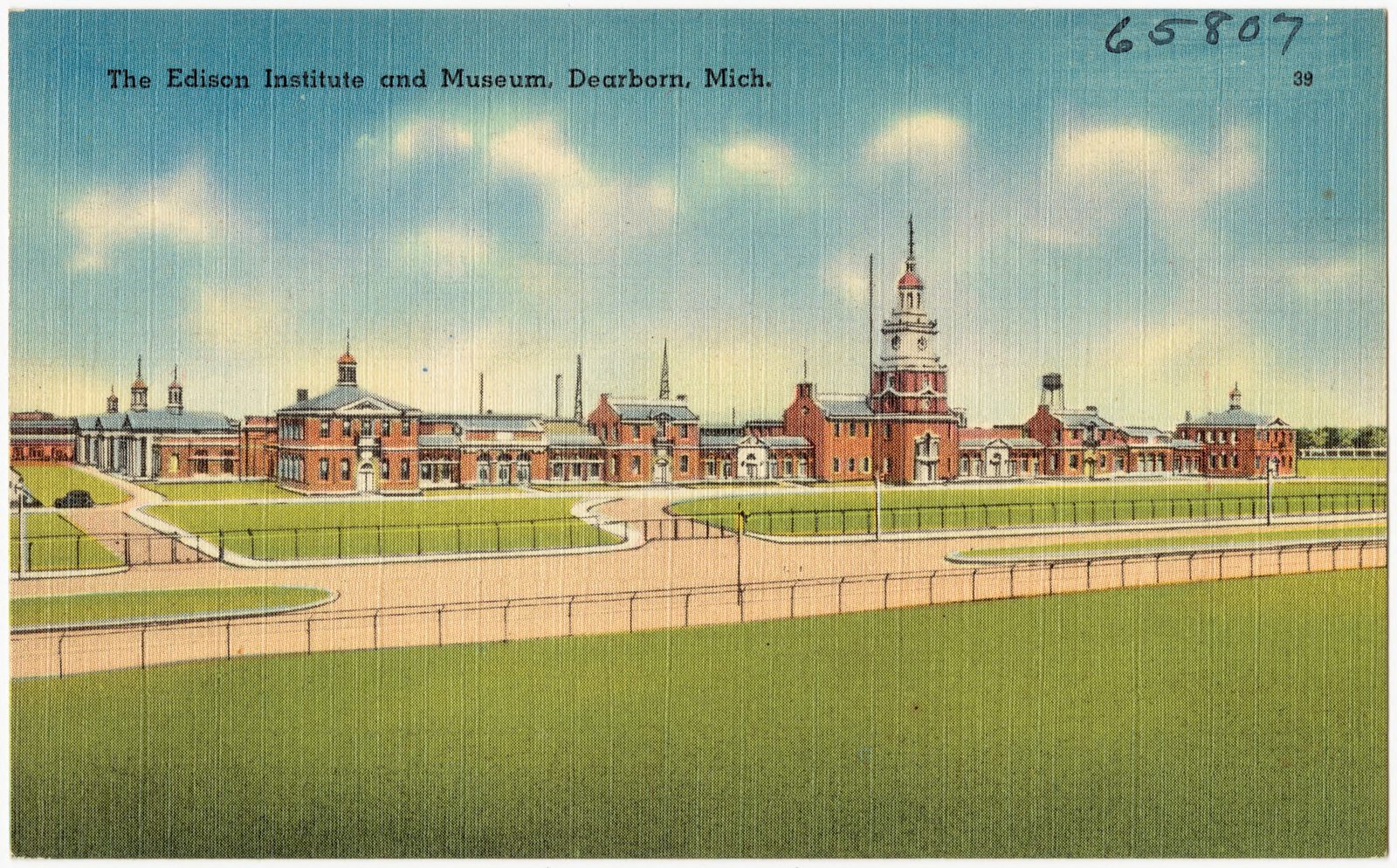
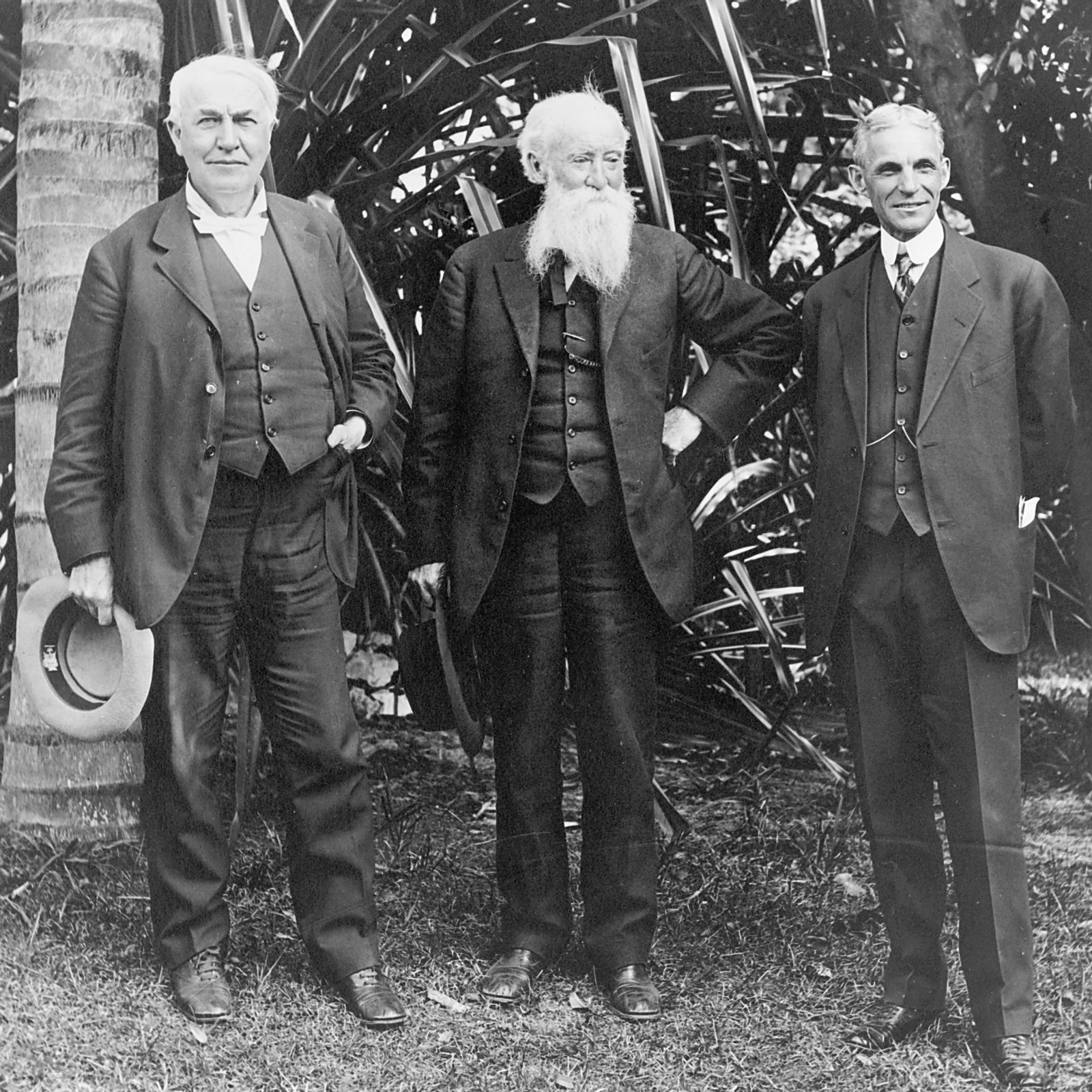
Henry Ford, President Herbert Hoover and Thomas Edison arriving in Dearborn for Light’s Golden Jubilee, October 21, 1929
Henry Ford, President Herbert Hoover and Thomas Edison arriving in Dearborn for Light’s Golden Jubilee, October 21, 1929 · Unknown author · Public domain
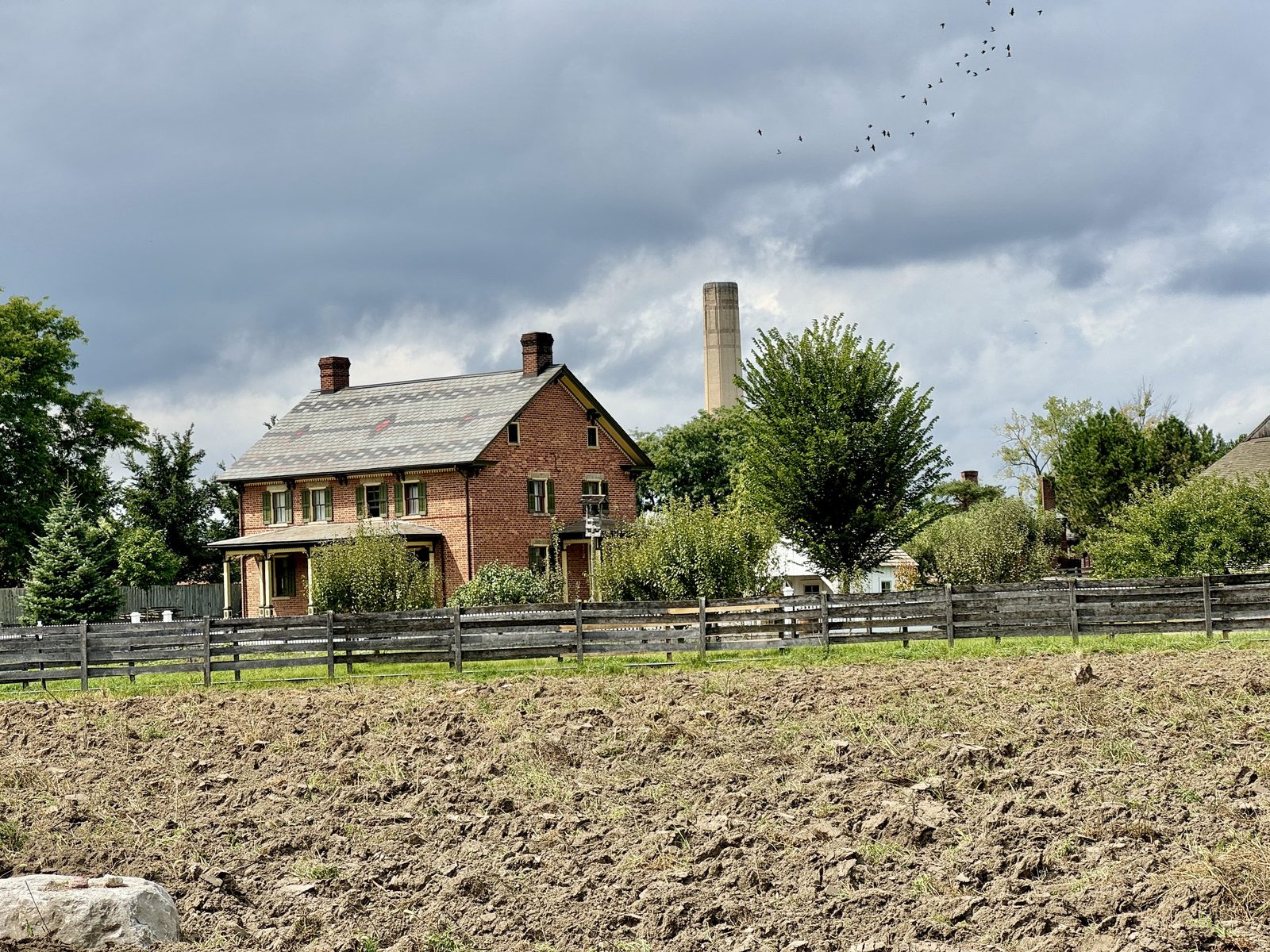
  1. Henry Ford is born in a Dearborn farmhouse, which now stands in Greenfield Village.

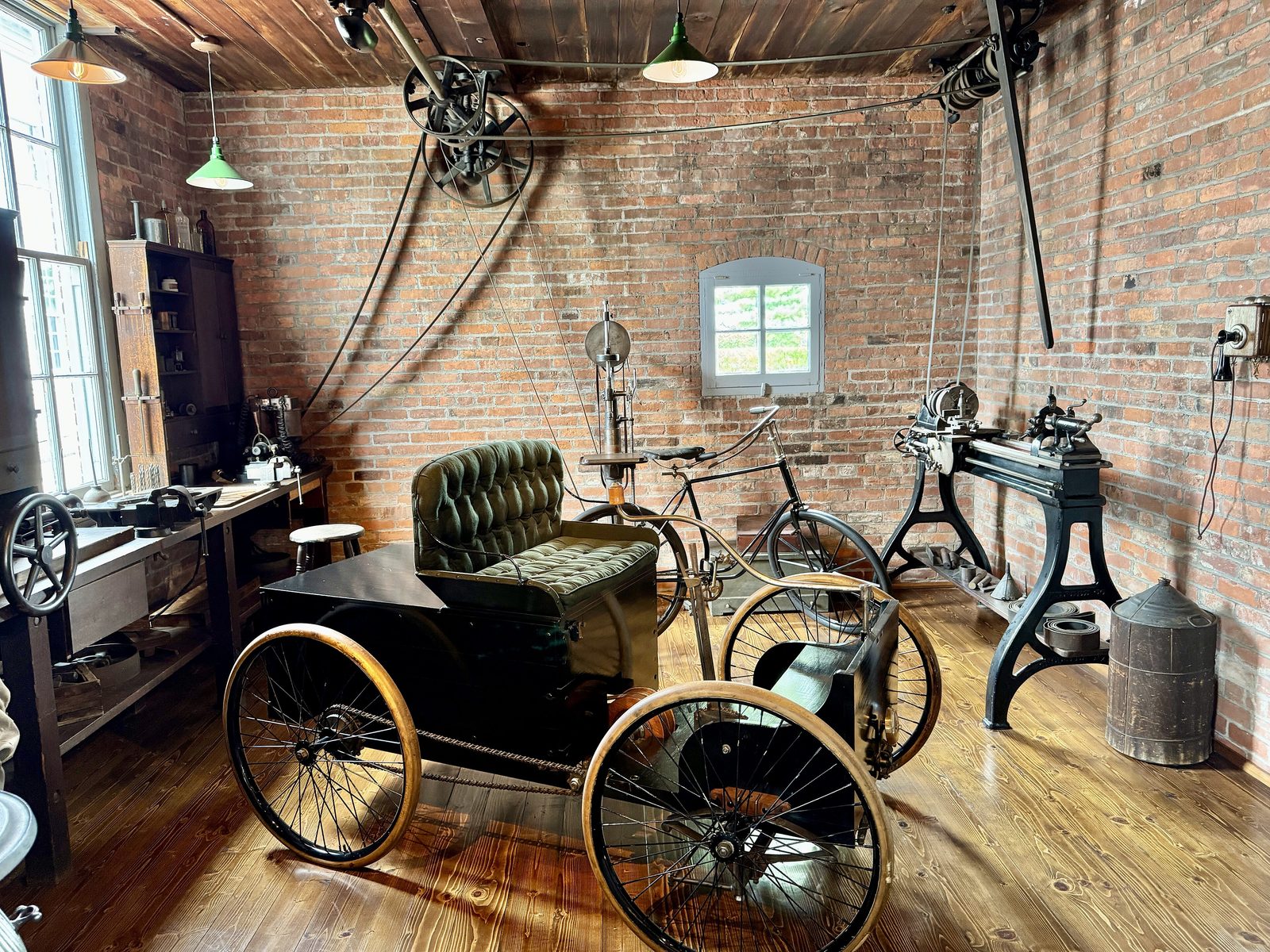
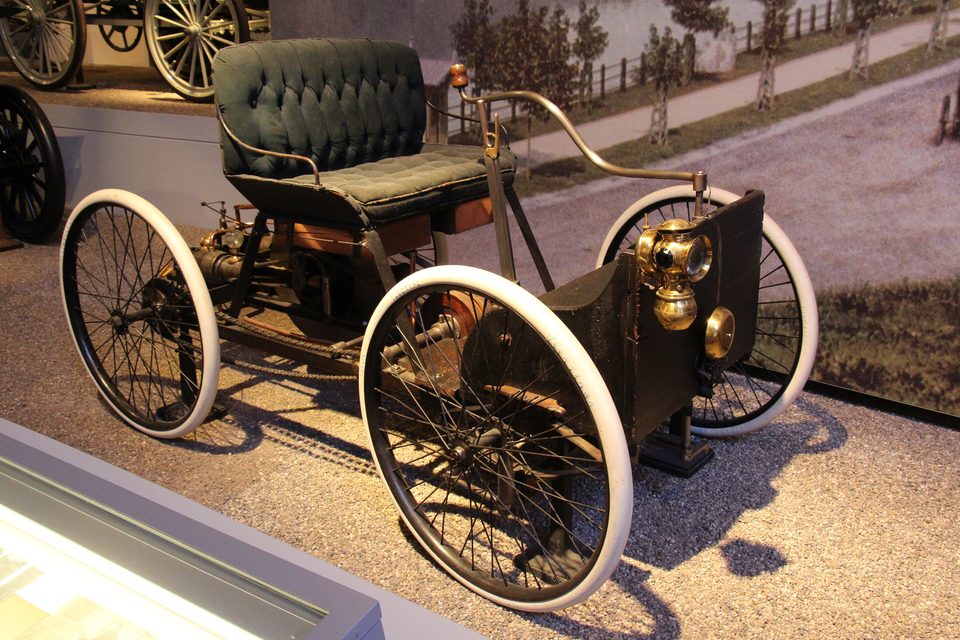
  2. In the shed on Bagley Avenue, Ford builds his first car, the Quadricycle.

  3. Joseph Galamb, in America since 1903, joins Ford as a draftsman.

  4. Henry Ford starts collecting, at first in a spare office at the Highland Park plant.

  5. The Model T

    The Model T is born in the Piquette Avenue Plant’s secret room. Eugene Farkas works in the plant’s drafting room that year.

  6. Ford buys 2,000 acres of marshland along the Rouge River; on October 1, Eugene Farkas becomes chief engineer for tractor development.

  7. At his libel trial, “history is bunk” comes up, and Ford vows to build a museum of industrial history. He also begins restoring his birthplace.

  8. Hungary’s first Ford dealership opens in Makó, run by Galamb’s brothers.

  9. The first public tours of the Rouge Plant begin.

  10. Thomas Edison writes his name in wet cement on the future museum site, using a spade once owned by Luther Burbank. The cornerstone is on display in the museum.

  11. Dedication day

    Light’s Golden Jubilee: Edison re-enacts the first lighting of his lamp in the rebuilt Menlo Park lab, and President Herbert Hoover dedicates the Edison Institute.

  12. The museum and village open to the public; the exhibits aren’t finished until the early 1940s.

  13. The Battle of the Overpass: Ford Service Department men beat UAW organizers at the Rouge.

  14. On what would have been Wilbur Wright’s 71st birthday, the Wright Cycle Shop, moved from Dayton, is dedicated in the village.

  15. Ford’s birthplace and its outbuildings move into the village. Joseph Galamb retires after 39 years.

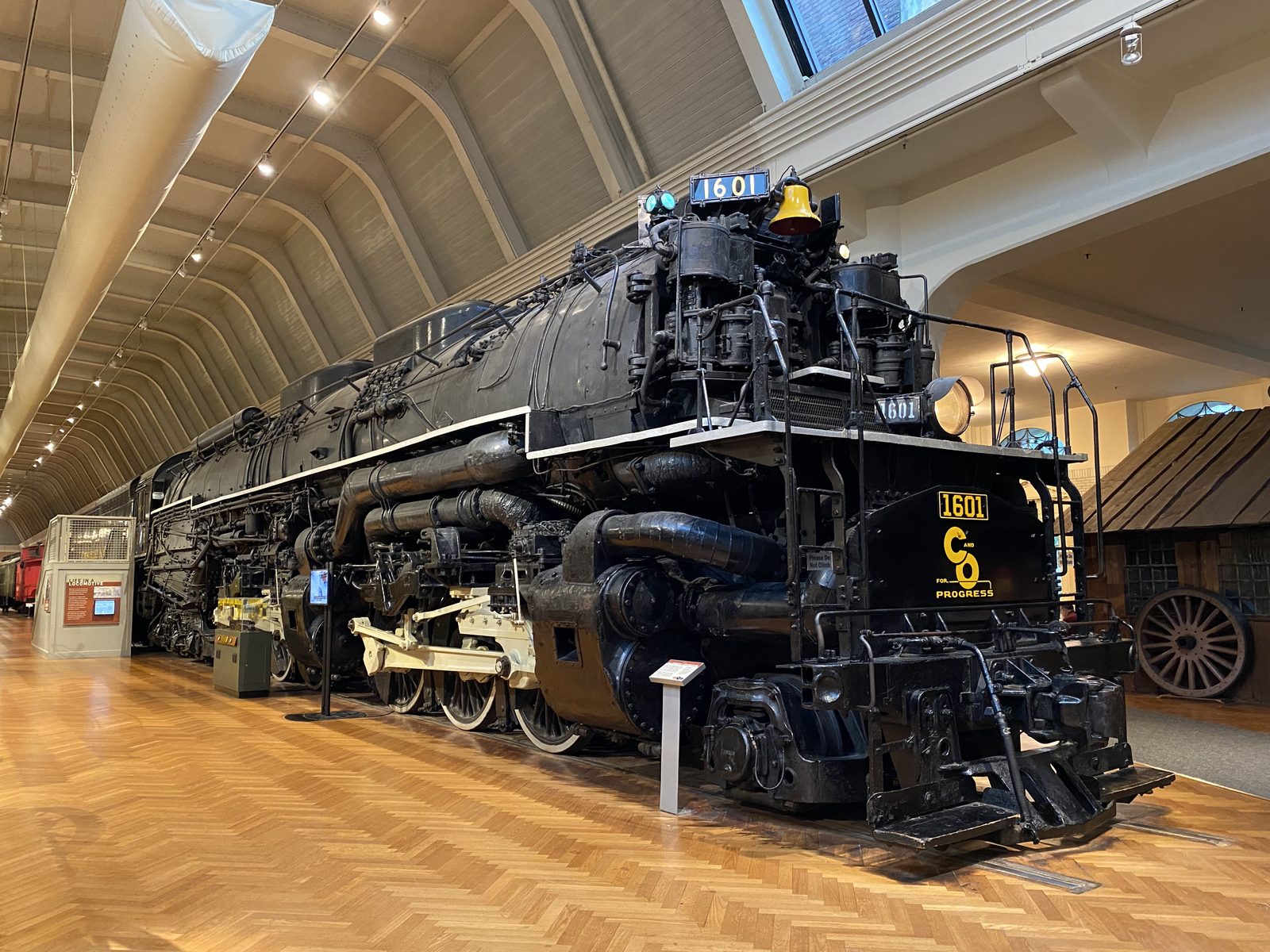
  16. The Allegheny locomotive arrives and takes three tries to get inside.

  17. The museum and village are designated a National Historic Landmark. The Kennedy limousine goes on display the same year.

  18. The Rosa Parks bus

    The museum wins the Rosa Parks bus at an online auction for $492,000; restored, it’s first shown on February 1, 2003.

  19. F-150 production starts at the Rouge, and factory tours return, now run by The Henry Ford.

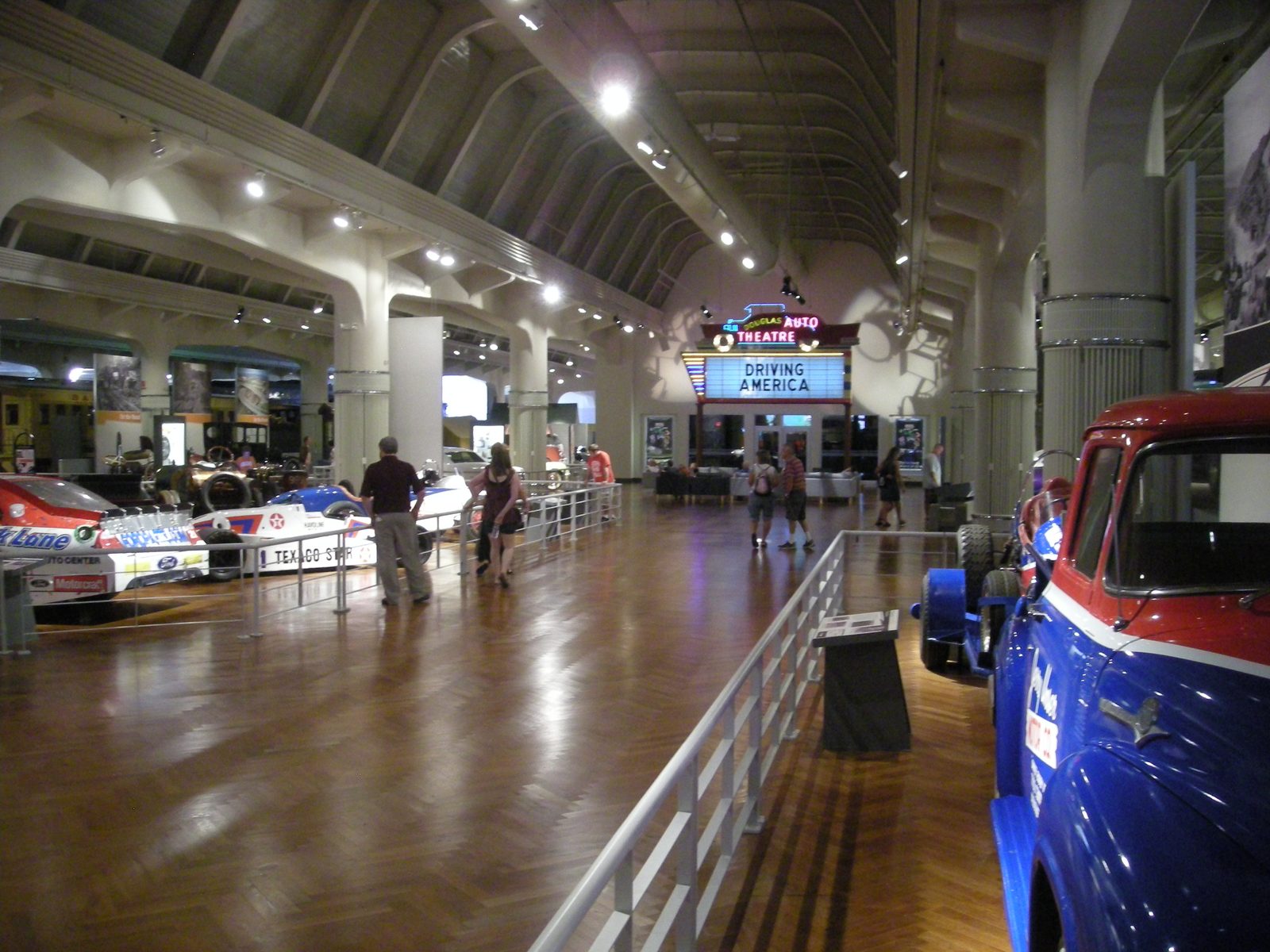
  20. Driving America, the museum’s big car exhibit, opens.

  21. The museum becomes the Henry Ford Museum of American Innovation.

  22. The Jackson Home from Selma opens in the village, the first home added in more than 40 years.

  23. Artemis Adventure with LEGO Bricks opens, in the year of America’s 250th.

Sources: The Henry Ford: origins · Light’s Golden Jubilee · Celebrating ninety: collecting in the 1930s · Ford Home · Henry Ford’s Model T district · Galamb portrait · Galamb biography · Farkas at Piquette, 1908 · Wikipedia: Eugene Farkas · The Henry Ford: Rouge history and timeline · Autopro: Makó, 1922 · Battle of the Overpass · Making it Wright · The Allegheny locomotive · State of Michigan: Greenfield Village and Henry Ford Museum · Kennedy limousine · Curating and preserving the Rosa Parks bus · CBS Detroit: Driving America opens · VOA: museum renamed (2017) · WSFA: Jackson Home opens (2026) · Artemis Adventure with LEGO Bricks

Back to contents ↑
05 / Quick answers

Quick answers

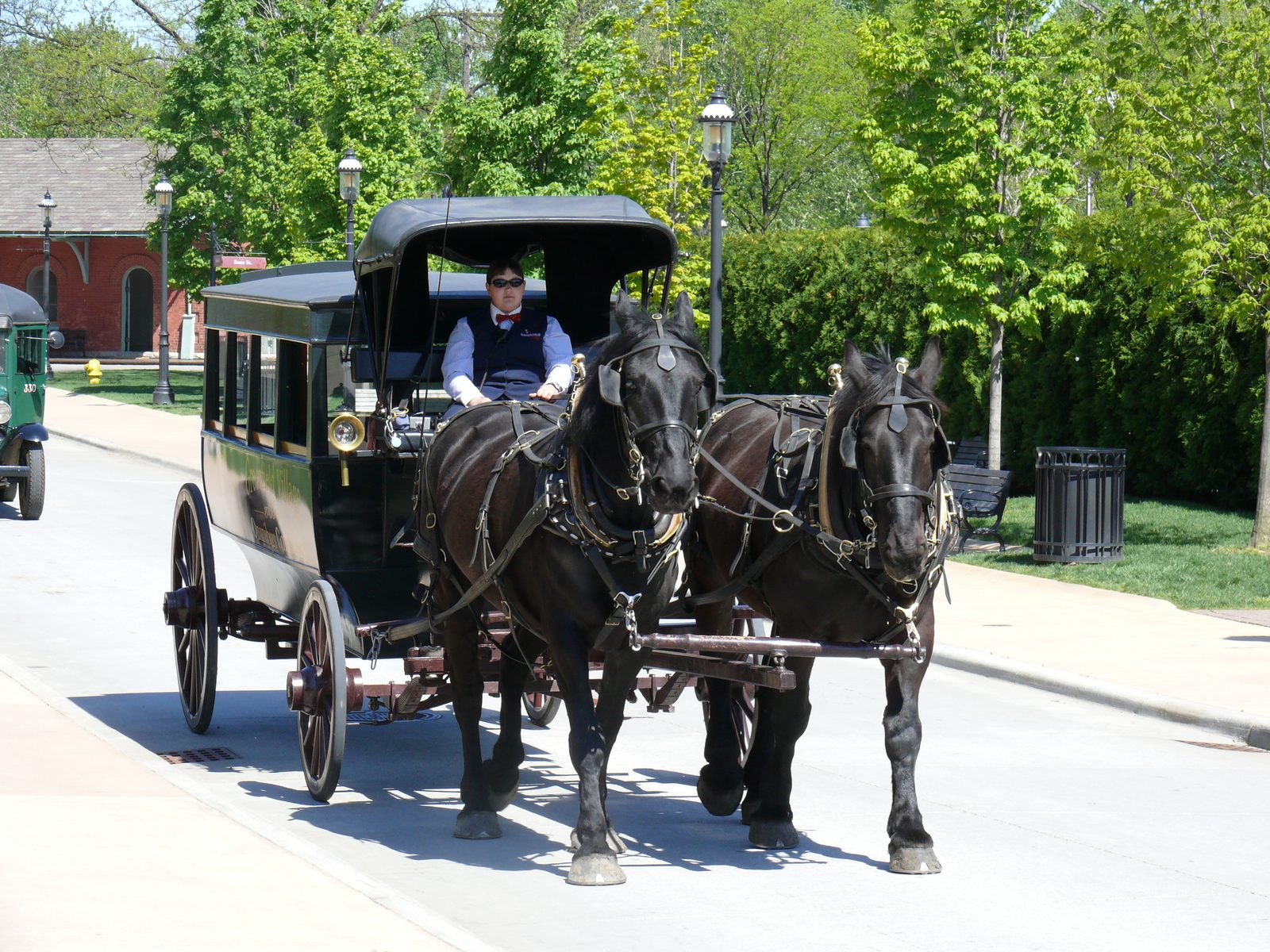
A horse-drawn omnibus in Greenfield Village, May 2007
A horse-drawn omnibus in Greenfield Village, May 2007 · Richard Landskroener · CC BY-SA 3.0
Does one ticket cover everything?

No. The museum, Greenfield Village, the Ford Rouge Factory Tour and the Giant Screen each need a ticket; combos (BOGO, Main Attractions, All-Access) and memberships save money.
How much does it cost?

Online, adults pay $34–$39 for the museum, $37–$39 for the village, $24 for the Rouge tour and $10–$13 for films, depending on the date. Seniors 62+ get 10% off, kids 5–11 get 25% off, and under-5s are free. There’s a $4 fee on online and phone orders, and parking is $10 per car.

Can I get there without a car?

Yes. SMART’s FAST 261 runs along Michigan Avenue from downtown to the Dearborn Transit Center next to The Henry Ford in about half an hour, for $2 (every 30 minutes on weekdays, about hourly on weekends). Amtrak’s Wolverine stops there three times a day too.
Can I drive straight to the Rouge factory?

No. Every Rouge tour ticket includes a free bus from the circle drive in front of the museum; plan on about two hours at the factory plus an hour for the bus.
Will I see trucks being built?

Only if the line is running. The Dearborn Truck Plant doesn’t build on weekends, holidays, breaks or shift changes, and there are announced no-build days (November 3, November 11, November 26–29, and December 24 through January 3, 2027). Go on a weekday; no refunds if the line is stopped.

Is Greenfield Village open in the fall?

Through September 27 it’s open Tuesday–Sunday; October 2–25 Friday–Sunday until 3 p.m.; October 30–November 29 Friday–Sunday until 5 p.m. In December it’s closed for day visits, with Holiday Nights in the evenings.

Can I bring my own food?

A small amount of food and drink is fine; outside alcohol isn’t. There are plenty of places to eat on site, including Lamy’s Diner in the museum and Eagle Tavern in the village.

Can I take photos?

Yes in the museum and village; at the Rouge tour only in the Legacy Gallery; never in the Giant Screen theater. Selfie sticks are banned everywhere.

Can I change or refund my ticket?

Tickets are nonrefundable; for illness or injury you can change the date by calling +1 (313) 982-6001. Optional FanShield protection can be added when you buy online.

Where can I see something Hungarian?

In the museum’s Agriculture and the Environment area: Joseph Galamb’s circa-1907 experimental tractor, with Luther Burbank’s Fordson nearby; in Greenfield Village’s glass gallery, two Kossuth flasks. The story is in the Hungarian thread.

Phone numbers and addresses

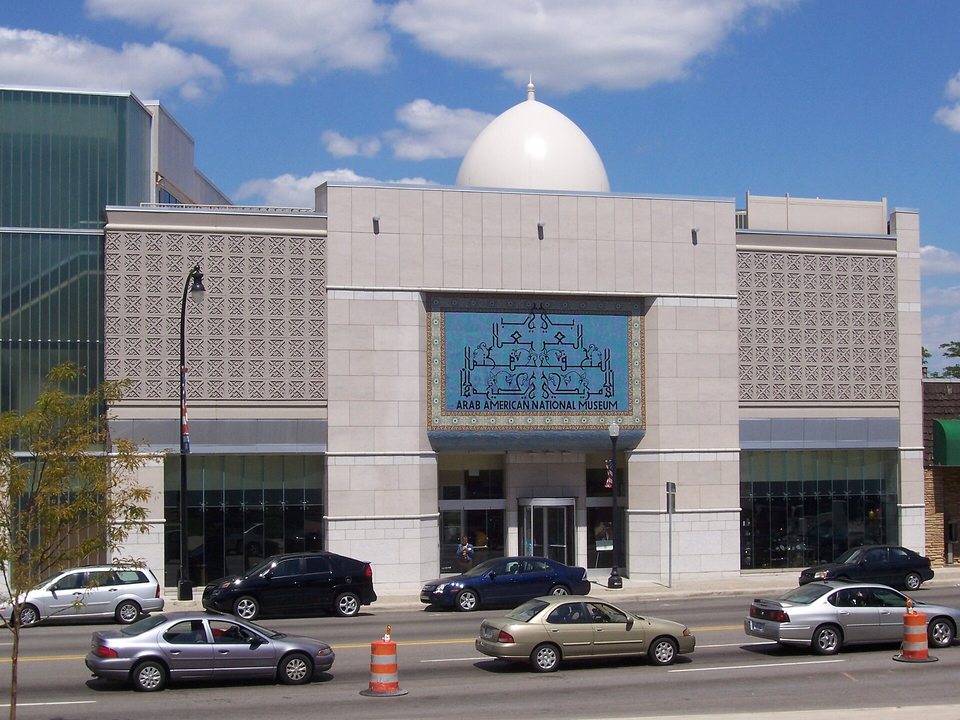
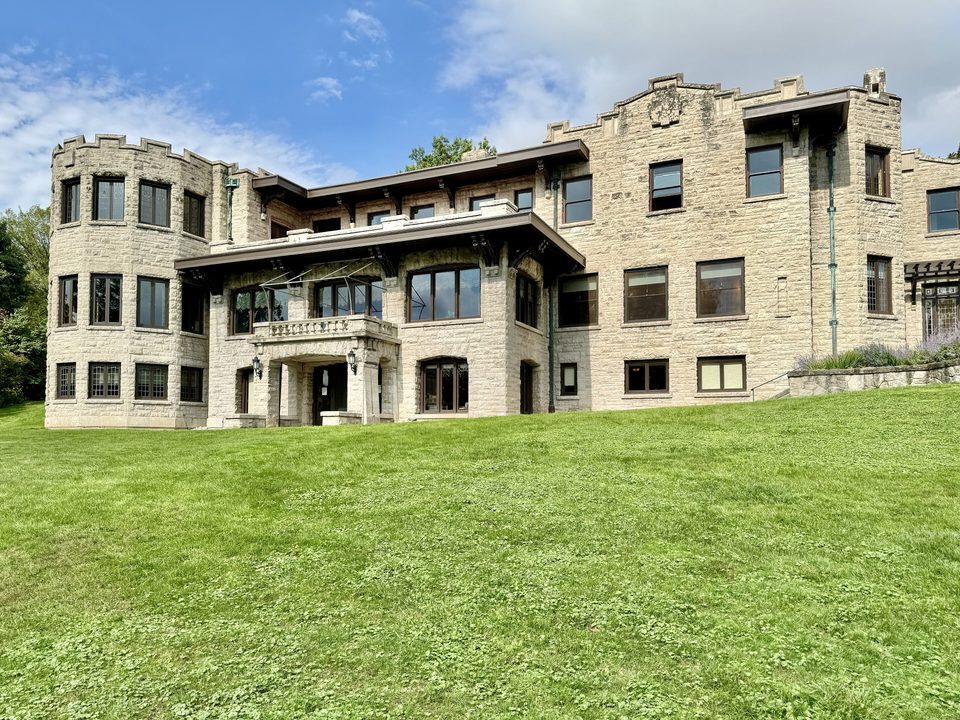
Sources: The Henry Ford: visiting FAQ · The Henry Ford: admission · SMART GTFS timetable (valid 2026-09-07 to 2027-01-03) · Ford Rouge Factory Tour · The Henry Ford: hours · The Henry Ford: policies · The Henry Ford: group visits · The Henry Ford: accessibility · Arab American National Museum: visit · Fair Lane: visit us

Back to contents ↑

Quarter Detroit wrote this guide on our own; it isn’t an official publication of The Henry Ford. We checked everything against official sites and transit timetables on September 26, 2026. Ticket prices change by date and hours change with the season, so take a quick look at thehenryford.org ↗ before you head out.

While you’re in Dearborn

Sources

The Henry Ford is an independent nonprofit, not part of Ford Motor Company. Quarter Detroit isn’t affiliated with it; we gathered these details from official pages on September 26, 2026. Checked: 2026-09-26.

Save the plan. Share the moment.