Detroit Film Theatre / Detroit
DETROIT + MICHIGAN / Cinemas / ¼
What’s playing tonight?
159 cinemas across Detroit and Michigan, from pipe-organ movie palaces to drive-ins under the stars. 42 special screenings on our calendar in the next 30 days.
Quarter Detroit presents
- 159cinemas
- 630films on the bill
- 99lost legends



















01 / Now showing
What’s on the big screen?
From the art houses’, movie palaces’ and festivals’ own programs, refreshed several times a day: classics, silent films, horror nights and festival picks.
Rozsa Center for the Performing Arts / Houghton
Rozsa Soirée - Season Launch Fundraiser Party
Senate Theater / Detroit
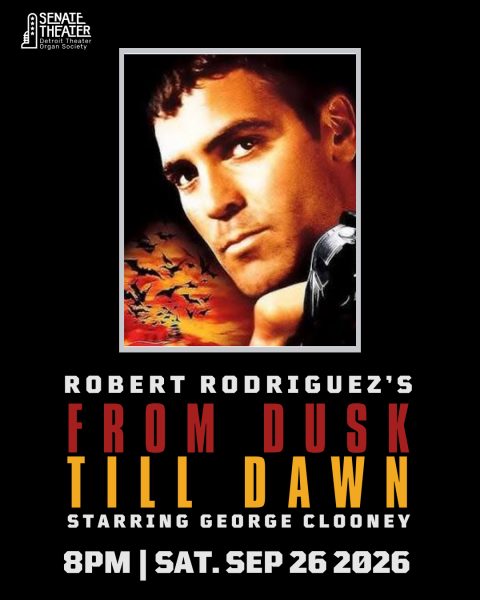
From Dusk Till Dawn (1996): a 30th-anniversary screening at the Senate Theater
Cinemark Southland Center and XD / Taylor
Princess Mononoke (English Dubbed) Studio Ghibli Fest 2026
FilmAnnounced by the venue
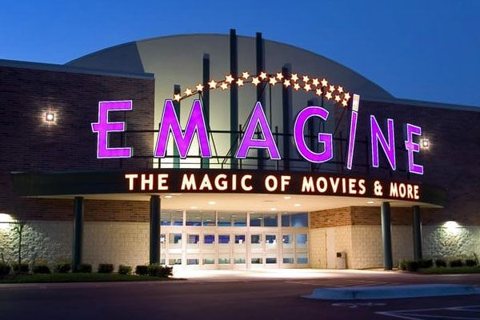
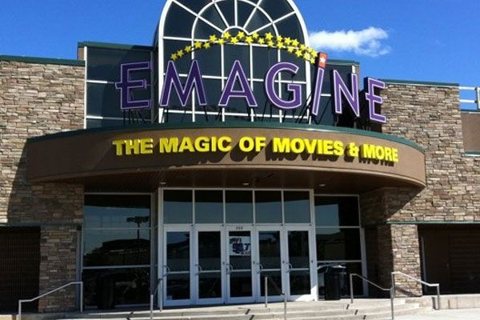
Emagine Rochester Hills / Rochester Hills
Shaun the Sheep: The Beast of Mossy Bottom
FilmAnnounced by the venue
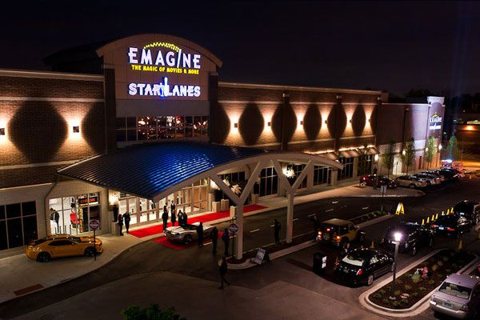
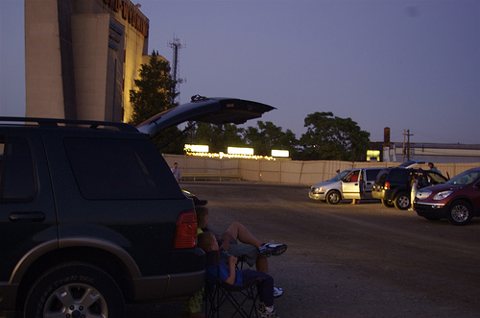
GQT Krafft 8 / Port Huron
Princess Mononoke - Studio Ghibli Fest 2026 (Dubbed)
FilmAnnounced by the venue
GQT Krafft 8 / Port Huron
The Lord of the Rings: The Return of the King (2003) - Extended Edition
FilmAnnounced by the venue
02 / Cinema finder
Popcorn, pipe organ or a sky full of stars?
Art house, movie palace, IMAX, drive-in or the multiplex around the corner: pick a type and a region.
Historic movie palaces / Howell
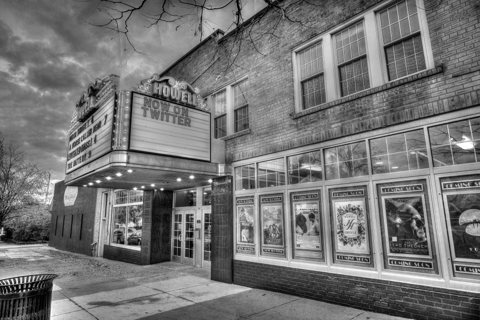
Historic Howell Theater
A two-screen independent cinema in downtown Howell since 1928: new releases plus classic series like Hitchcocktober and comedy nights. Admission is $8.95, and parking is free.
Since 19282 screens
Historic movie palaces / Plymouth
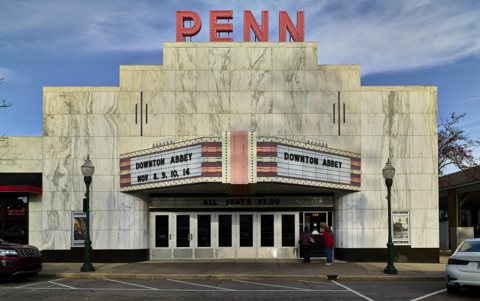
Penn Theatre
A single-screen Streamline Moderne movie house in downtown Plymouth, facing Kellogg Park under green neon. Five-dollar classics, independent and second-run films, and the odd live show.
Since 19411 screens
Historic movie palaces / Wayne
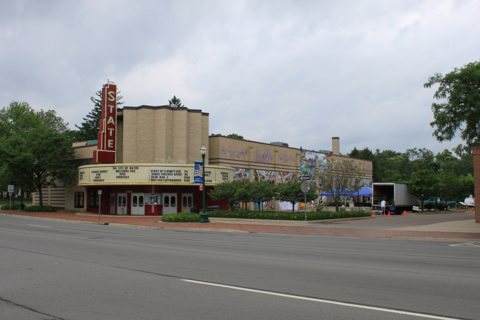
Phoenix Theatres State Wayne
An Art Deco movie house on Michigan Avenue in downtown Wayne: open since 1946, now four screens with 311 heated recliners, first-run films and Rocky Horror nights with a live shadow cast.
Since 19464 screensPhoenix Theatres
Historic movie palaces / Beaverton
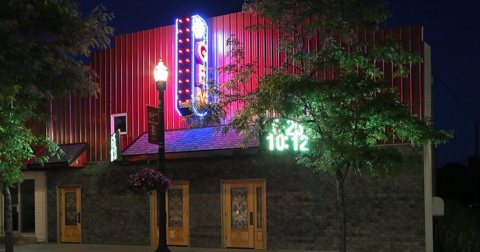
The Beaverton Gem
Downtown Beaverton's single-screen movie house, opened in 1940: one current film at a time, $7 admission, cards welcome. Closed Mondays, Tuesdays and Thursdays.
Since 19401 screens
Historic movie palaces / Albion
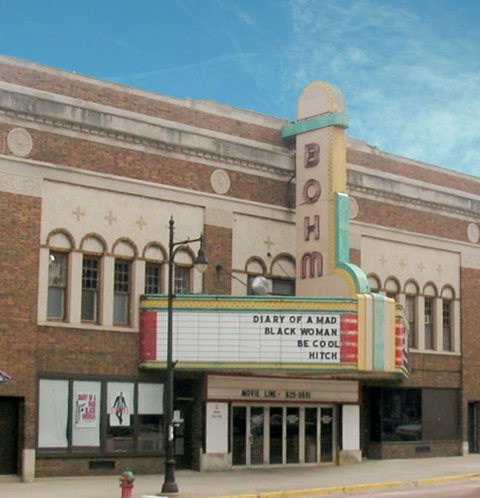
Bohm Theatre
Albion's 1929 movie palace, saved by locals: a restored main house, a 38-seat second screen next door, weekend new releases, Terror Tuesday horror nights and blues concerts.
Since 19292 screens
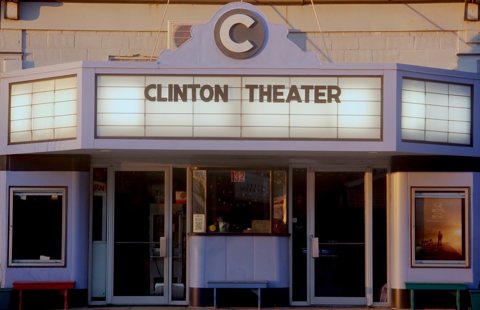

Historic movie palaces / Clinton
Clinton Theater
A single-screen movie house on Michigan Avenue (US-12) in the village of Clinton since 1939: one film at a time, and every seat is $5.
Since 19391 screens
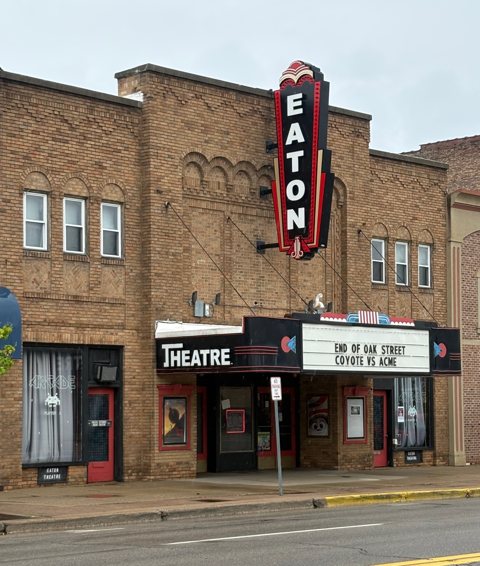
Historic movie palaces / Charlotte
Eaton Theatre
Downtown Charlotte's movie house since 1931: a big square marquee and vertical sign, two screens, first-run films and Rocky Horror nights with a live shadow cast, supported by donations.
Since 19312 screens
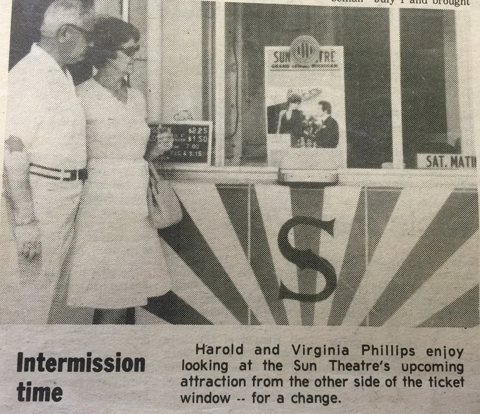
Historic movie palaces / Grand Ledge
Grand Ledge Sun Theatre
A one-screen retro movie house in downtown Grand Ledge since 1935: new releases opening Fridays, a flat $8 ticket and weekend matinees.
Since 19351 screens
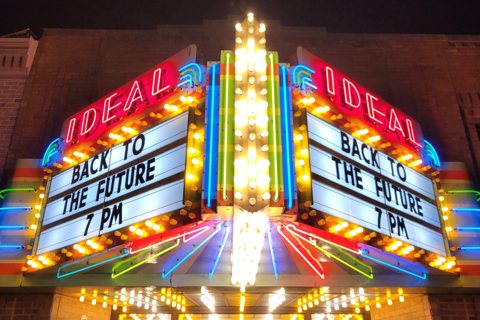
Historic movie palaces / Clare
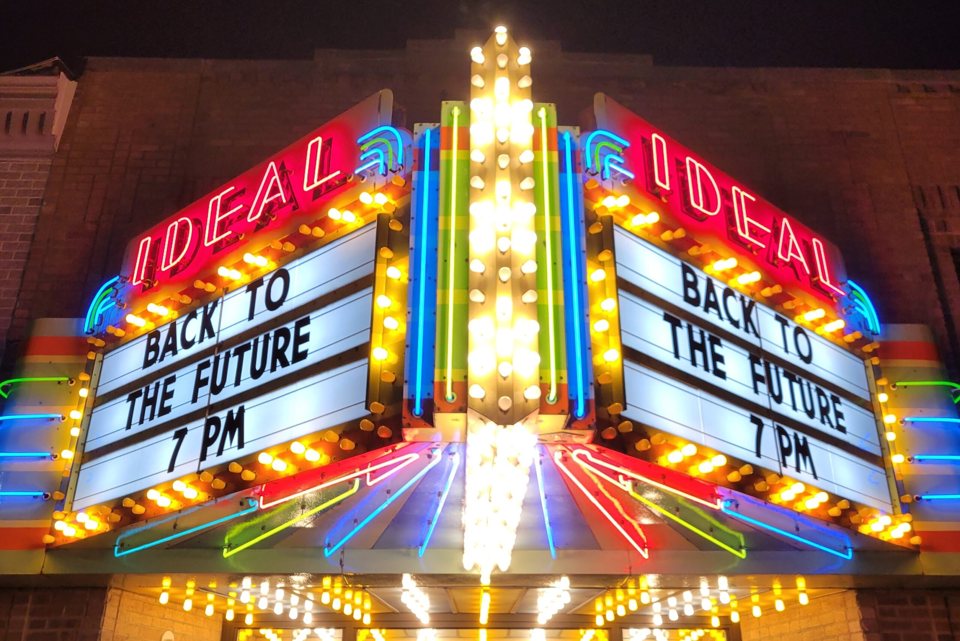
Ideal Theater
Downtown Clare's Art Deco movie house since 1930, with a neon marquee on McEwan Street: current films, classics and live comedy nights in a heavily renovated house reopened in 2023.
Since 19301 screens
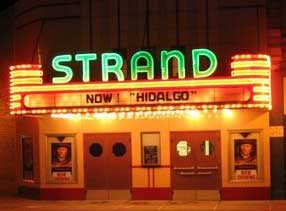
Historic movie palaces / Caro
Strand Theatre
Caro's single-screen downtown movie house, once billed as the “Wonder Theatre of the Thumb.” Its 1939 neon marquee still glows over an intact Art Deco facade, and adult tickets are $7.50.
Since 19261 screens
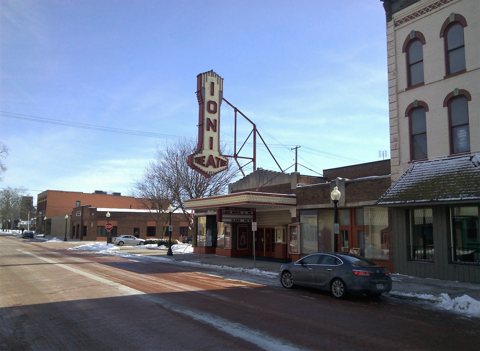
Historic movie palaces / Ionia
Ionia Theatre
Ionia's Art Deco movie house from around 1931, rescued in 1984 and now run by the city. First-run films on two screens, plus concerts and bluegrass.
Since 19312 screens
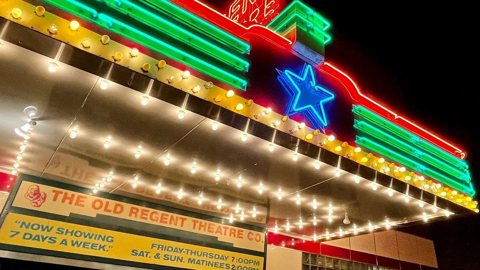

Historic movie palaces / Allegan
The Regent Theatre
Allegan's one-screen Art Deco movie house, showing films since 1919 under a neon marquee. It survived a demolition threat and a collapsed roof, and today the city runs it with new releases every night for $5 or less.
Since 19191 screens
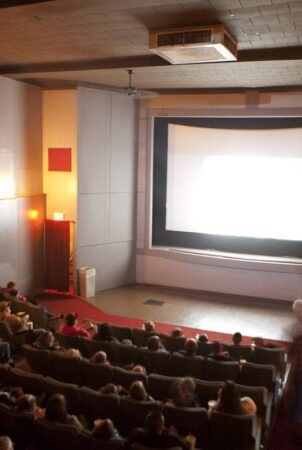
Historic movie palaces / Paw Paw
Strand Theater
A one-screen movie house in the middle of Paw Paw since 1927, built where the fire department kept its horses. Shows every day but Monday, and evening tickets are $5.
Since 19271 screens
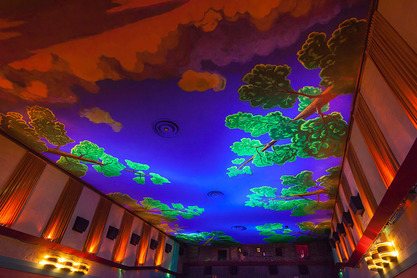
Historic movie palaces / Elk Rapids
Elk Rapids Cinema
A well-preserved Art Deco single-screen house in Elk Rapids since 1940. The ceiling is covered by what the owners call the world's largest black-light mural, and Monday nights bring free classics.
Since 19401 screens
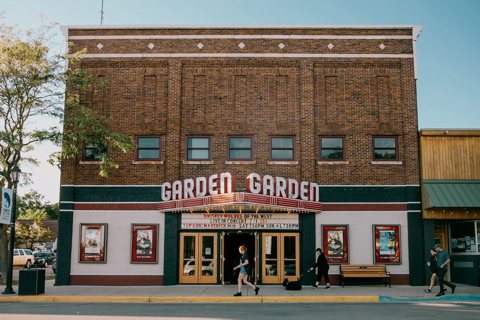
Historic movie palaces / Frankfort
The Garden Theater
Frankfort's historic single-screen downtown cinema since 1924. Residents bought and saved it in 2008; now it runs first-run, indie and foreign films, a festival, concerts and a film-and-beer series.
Since 19241 screens
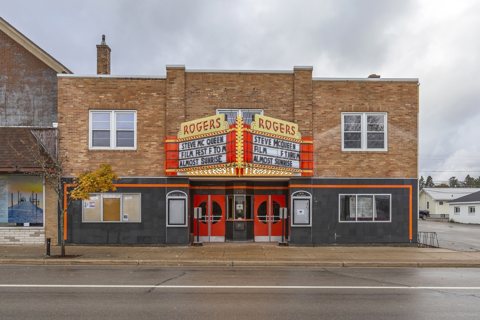
Historic movie palaces / Rogers City
Rogers Theater
Rogers City's 1937 Art Deco movie house with an orange-and-black tile facade, now run by the local library. New and classic films, live theater and concerts, with many screenings free or by donation.
Since 19371 screens
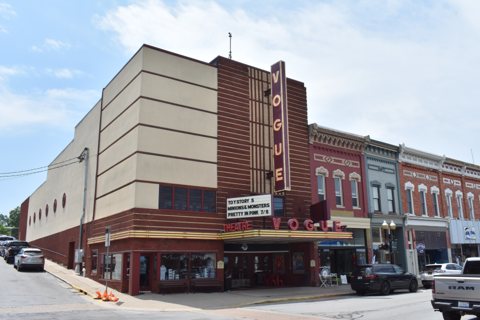
Historic movie palaces / Manistee
Vogue Theatre
Manistee's 1938 Streamline Moderne movie house, brought back in 2013 by a nonprofit and hundreds of volunteers. $2 Wednesday classics and 25-cent Saturday family matinees.
Since 19382 screens
Historic movie palaces / Escanaba
Old Michigan Theatre
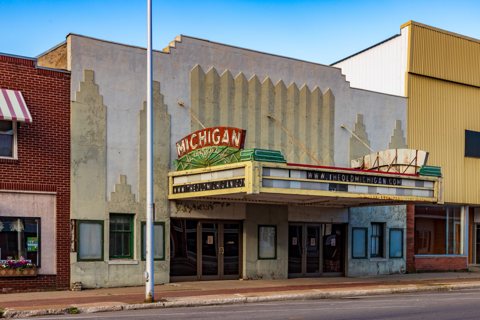
Escanaba's 1930 Art Deco movie house closed in 1994, did time as a church and a clothing store, and lit up again in July 2024. About 300 seats, an arcade, and classic and cult films.
Since 19301 screens
Historic movie palaces / Detroit
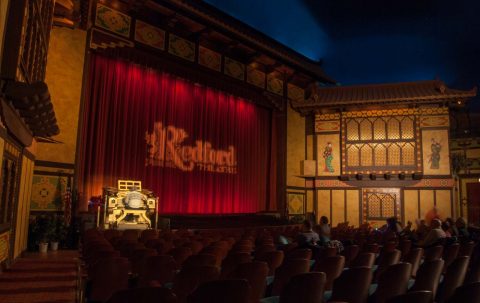
Redford Theatre
Classic films, special screenings, and live events share the Redford Theatre calendar.
1 screens
Historic movie palaces / Farmington
Farmington Civic Theater
A C. Howard Crane-designed Art Moderne movie house on Grand River Avenue in downtown Farmington since 1940, with its red-and-white blade marquee. Two screens, 407 seats, and first-run films again since 2021.
Since 19402 screens
Historic movie palaces / Marshall
Bogar Theatre
A family-owned Streamline Moderne movie house in historic downtown Marshall since 1939: two screens, first-run films, retro atmosphere, popcorn and a small bar.
Since 19392 screens
Historic movie palaces / Cass City
Cass Theatre
A single-screen movie house on Cass City's Main Street since 1926, dressed in Streamline Moderne with a neon triangular marquee. Weekend first-run films, and it claims the world's best popcorn.
Since 19261 screens
Historic movie palaces / Flint
FIM Capitol Theatre
A 1928 John Eberson movie palace in downtown Flint, now a concert and performance venue run by the Flint Institute of Music.
1 screens
Historic movie palaces / Jackson
Michigan Theatre of Jackson
A nonprofit historic movie palace in downtown Jackson that hosts concerts alongside film screenings.
1 screens
Historic movie palaces / Bay City
State Theatre of Bay City
A historic downtown Bay City theater opened in 1908, now mixing films with tribute concerts, cabaret and comedy.
1 screens
Historic movie palaces / Williamston
Sun Theatre
Williamston's single-screen downtown movie house since 1946: one first-run film a week, every night at 7 p.m., closed Mondays. It's cash only, so hit the ATM first.
Since 19461 screens
Historic movie palaces / Saginaw
Temple Theatre
A 1927 theater in downtown Saginaw, now part of the Shaheen Performing Arts Center, hosting touring concerts, symphony nights and comedy.
1 screens
Historic movie palaces / Muskegon
Frauenthal Center
Muskegon's historic downtown performing arts center, built around the 1,725-seat Frauenthal Theater.
1 screens
Historic movie palaces / South Haven
Michigan Theatre
The Streamline Moderne downtown movie house of South Haven, a Lake Michigan resort town. Today: three screens of first-run films, run by independent Moore Theatres.
3 screensMoore Theatres
Historic movie palaces / Grand Rapids
Wealthy Theatre
A restored 1911 neighborhood theatre in Grand Rapids' Uptown area, hosting concerts, film screenings and community events.
1 screens
Historic movie palaces / Suttons Bay
The Bay Theatre
Suttons Bay's single-screen downtown cinema on the Leelanau Peninsula, open since 1946. When it was about to close in 2018, residents saved it as a nonprofit, and volunteers run it almost entirely.
Since 19461 screens
Historic movie palaces / Bellaire
Bellaire Cinema
Downtown Bellaire's movie house since December 1948, when it opened with Clark Gable in Homecoming. Today it has two screens and is run by Northern Michigan Cinemas.
Since 19482 screensNorthern Michigan Cinemas
Historic movie palaces / East Tawas
Family Theatre
East Tawas' downtown movie house since 1910, with two screens and $6 evening tickets. Tickets are sold only at the door, and snacks come from a walk-up window.
Since 19102 screens

Historic movie palaces / Cheboygan
Kingston Cinema
Downtown Cheboygan's movie house since 1920, with an Art Deco main auditorium. Today it shows first-run films on five screens, with $7 matinees before 3:30 p.m.
Since 19205 screensNorthern Michigan Cinemas
Historic movie palaces / Oscoda
The Lake Theatre
Oscoda's single-screen movie house on Dwight Street since 1950: first-run films nightly at 7 p.m., matinees Tuesday, Saturday and Sunday. The TheaterEars app gives you Spanish audio.
Since 19501 screens
Historic movie palaces / Houghton Lake
Pines Theatre
A log-cabin movie theater in Houghton Lake since 1941: 40-foot log ceilings, a parquet floor and trophy mounts on the walls. One first-run film at a time, in digital.
Since 19411 screens

Historic movie palaces / Grayling
Rialto Theater
Grayling's downtown single-screen theater, run by the same family at the same spot since 1915, making it one of the oldest family-owned theaters in the country. Rocking-chair seats, a balcony, low prices.
Since 19301 screens
Historic movie palaces / Calumet
Calumet Theatre
A historic opera house opened in 1900 in the copper-mining town of Calumet on the Keweenaw Peninsula, hosting concerts, theater and tours.
1 screens
Historic movie palaces / Ironwood
Historic Ironwood Theatre
A restored downtown movie palace in Ironwood marking its centennial in 2026 and the western Upper Peninsula's main stage for touring concerts.
1 screens
No matches. Try another region or type.
03 / Legends
Lost movie palaces of Detroit and Michigan
When did they open, when did the screen go dark, and what stands there now? The stories of the closed cinemas, with their old contact details.
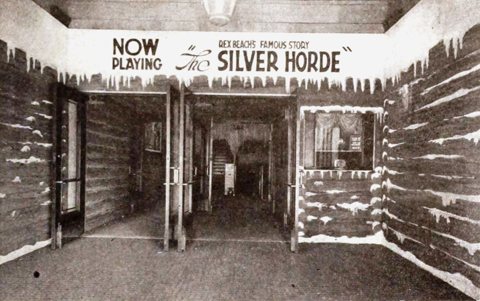
1917–1988
Adams Theatre
Detroit
Grand Circus Park's famous “alley-jumper”: you bought your ticket in the Fine Arts Building, then crossed a bridge or tunnel over the alley to your seat. It ran from 1917 to 1988 with 1,770 seats.
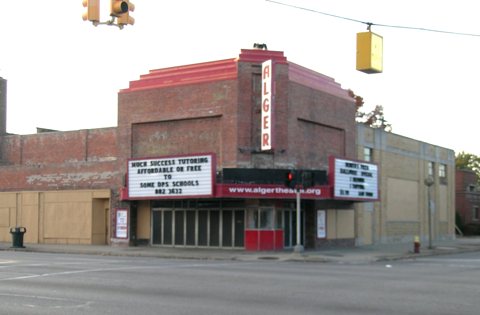
1935–1985
Alger Theater
Detroit
East Warren Avenue's 1935 Art Deco movie house, with a name tower that became a neighborhood landmark. It hasn't shown films since 1985, but the Friends of the Alger Theater have been saving it since 1987 and hope to reopen in 2028.
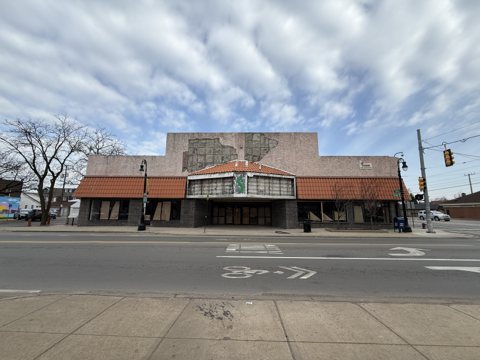
1935
Rio Theater
Detroit
Southwest Detroit's Art Deco meets Spanish Colonial movie house on West Vernor Highway, opened in 1935. With about 1,400 seats it was a first-run neighborhood house until it closed in the 1960s.
1914–1959
Alhambra Theatre
Detroit
Kunsky's movie house on Woodward, facing the Boston-Edison mansions, showed films from 1914 to 1959, then became a recording studio where the MC5 cut High Time. It was demolished in 2007.
1927–1950
Annex Theatre
Detroit
The Grand Riviera's little sibling, half a block away, built to catch the crowds who couldn't get into the big house. John Eberson hung twinkling stars, drifting clouds and floating doves over the audience.
1928–1967
Avalon Theatre
Detroit
A nearly 2,000-seat neighborhood house on Linwood Street, open from 1928 to 1967, with a three-manual Barton organ. It was designed by Chicago's Graven & Mayger, the firm behind the Fisher Theatre's original Mayan-style interior.
1906–1975
Bijou Theatre (Monroe Street)
Detroit
One of Detroit's first nickelodeons opened as the Cent Odeon on Monroe Street in 1906 and hung on until the mid-1970s, one of the longest runs of any downtown theatre.
1949–1961
Booker T. Theatre
Detroit
The North End's Streamline Moderne movie house showed first-run films for a Black audience from 1949 to 1961, and from 1956 staged live rock 'n' roll revues, starting with the Orioles and the Flamingos.
1913–1929
Broadway-Strand Theatre
Detroit
A $400,000 silent-era picture palace on Broadway near Gratiot that opened with great fanfare in 1913 and closed in 1929, when talkies and the new Grand Circus Park palaces took over.
1906–1915
Casino Theatre (Monroe Street)
Detroit
This tiny Monroe Street nickelodeon is where Detroit first saw motion pictures on a regular basis. Historic Detroit credits John Kunsky with opening it as Michigan's first movie house, and the city's biggest theatre empire grew out of it.
1924–1975
Cinderella Theatre
Detroit
White terra cotta and red tile: the Cinderella's Spanish Colonial front drew East Jefferson crowds from 1924 to the mid-1970s. After Disney's 1950 Cinderella, its side walls were painted with scenes from the film.
1941–1984
Civic Theatre
Detroit
A Streamline Moderne first-run neighborhood house on Kelly Road from 1941 to 1984, with nearly 1,500 seats on a single floor and six private boxes at the back. It went out with a triple bill.
1917–1975
Colonial Theatre
Detroit
C. Howard Crane's movie house on Woodward, across from Brush Park, open from 1917 to 1975. The original plans called for nearly 3,000 seats and more than 200 boxes.
1911–1952
Columbia Theatre
Detroit
C. Howard Crane's first Detroit theatre and the Kunsky team's first real movie-and-vaudeville house, opened on Monroe Street in 1911: an alley-jumper, and the city's first theatre with a pipe organ.
1931–1973
Eastown Theatre
Detroit
A former east-side movie palace and rock hall on Harper Avenue (cinema from 1931, rock venue 1969–1973), with 2,500 seats.
1909–1973
Family Theatre
Detroit
A downtown movie house carved out of the 1880 Kirkwood Hotel, open from 1909 to 1973: decades as a busy first-run house, then adult films under a wholesome name, and finally a fire during Deep Throat.
1913–1928
Fox Washington Theatre
Detroit
The forerunner of the Fox Theatre: a red-brick movie house on Washington Boulevard from 1913 to 1928. William Fox took it over, then closed it once his great Woodward palace was on the way.
1912
Globe Theatre
Detroit
A vaudeville house on Grand River Avenue near old Tiger Stadium that opened in 1912, was enlarged into a movie theatre by C. Howard Crane in 1915 and kept going through the 1970s.
1925–1996
Grand Riviera Theatre
Detroit
A 3,000-seat atmospheric movie palace on Grand River Avenue that Joseph Z. Nederlander's family later ran, demolished in 1996 after decades of decline.
1927–1969
Great Lakes Theatre
Detroit
George D. Mason's 1,795-seat movie house on Grand River Avenue, open from 1927 to 1969, then a theatre and a church. Its half-lit blade sign spelling EAT LAKES made it a famous ruin before most of it came down.
1921–1975
Harmony Theatre
Detroit
A Mack Avenue movie house from 1921 that C. Howard Crane remodeled in 1941, when it reopened as the Admiral. In the 1970s it was the east side's home of kung fu, blaxploitation and horror double bills.
1927–1959
Hollywood Theatre
Detroit
Southwest Detroit's $2 million movie palace: when it opened in 1927, its 3,436 seats made it the city's second-largest cinema after the Michigan, complete with a crying room for parents with babies and free valet parking for 700 cars.
1920–1954
LaSalle Garden Theatre
Detroit
An auditorium dressed up as a walled garden on 14th Street: the LaSalle Garden showed films from 1920 to 1954, and with nearly 2,000 seats it was one of Christian W. Brandt's biggest Detroit movie houses.
1913–1926
Liberty Theatre
Detroit
A movie house carved out of an 1871 Presbyterian church in the Monroe Street district, complete with a steep church gable and a pipe organ in the high rear gallery. It showed silent films from 1913 to 1926.
1928–1961
Loop Theater
Detroit
Michigan Avenue's round-the-clock movie house for second- and third-shift factory workers, opened in 1928. Its calling card was a tall vertical sign topped by a circle with a red star.
1917–1984
Madison Theatre
Detroit
Kunsky's first palace on Grand Circus Park, open from 1917 to 1984. It was the first theatre in Michigan to show a full-length talking picture, The Jazz Singer, and later screened Detroit's first 3-D film.
1924–1972
Martha Washington Theatre
Hamtramck
A 1,000-seat movie house on Joseph Campau, Hamtramck's main street, open from 1924 to 1972, one of the cinemas that served the city's Polish community along with the Farnum, Lasky and Star.
1941–1993
Mercury Theatre
Detroit
A Streamline Moderne neighborhood house on Schaefer Highway from 1941 to 1993, with astronomical and astrological murals, brass plaques of stars' autographs, and the first 70mm screenings outside downtown Detroit.
1926–1976
Michigan Palace
Detroit
A former downtown movie palace and rock hall on Bagley Avenue (opened 1926, closed for good in 1976), with 4,038 seats.
1941
Midtown Theatre
Detroit
An Art Moderne movie house on West Canfield from 1941 that changed names and programs fast in the 1960s, from Studio Midtown to art house to adult cinema. The building has since been used as a church.
1936–2000
Norwest Theatre
Detroit
An Art Deco movie house on Grand River Avenue from 1936 to 2000 that went from first-run palace to bargain second-run cinema and outlived most of its peers.
1927–1950
Oriental Theatre
Detroit
The only atmospheric movie palace ever built in downtown Detroit, opened in 1927 with a Middle Eastern theme, a house orchestra and a Kimball organ. Its crystal chandeliers hang today in the Redford Theatre's lobby.
1908–1922
Princess Theatre
Detroit
A little Woodward nickelodeon from 1908 where a nickel bought films and illustrated songs from 9 a.m. to 11 p.m., in a room aimed at ladies and children, under a sign promising nothing nicer anywhere.
1929
Ramona Theatre
Detroit
A 2,020-seat Gratiot Avenue movie house from 1929 that closely resembled John Eberson's Grand Riviera, domed hexagonal lobby and all. It ended its days as a rock concert venue and came down in early 1978.
1917–1968
Rialto Theatre
Detroit
C. Howard Crane's Gratiot Avenue movie house, open from 1917 to 1968, was an early take on stadium seating: the floor was so steep it didn't need a balcony. Its facade looked a lot like today's Detroit Opera House.
1941–1969
Royal Theatre
Detroit
A nearly 2,500-seat Streamline Moderne cinema on Seven Mile Road from 1941, one of the biggest neighborhood houses in the city, with Thomas di Lorenzo sculpture groups in its oval lobby.
1907–1922
Theatre Royale
Detroit
It started in 1907 as the Star, a nickelodeon at Monroe and Farmer in Detroit's first theatre district, and was one of John Kunsky's early houses. It had closed by 1922.
1929–1958
Times Square Theatre
Detroit
Christian W. Brandt's 1,700-seat Spanish Revival movie house on Abbott Street opened weeks before the 1929 crash, was shut by the Depression a year later, and from 1936 ran 24 hours a day.
1932
Trans-Lux Theatre (Woodward)
Detroit
The only Detroit work of celebrated New York theatre architect Thomas W. Lamb: a small 1932 newsreel house on Woodward whose rear-projection daylight system meant you didn't need a fully darkened room.
1921–1958
Tuxedo Theatre
Highland Park
An 1,800-seat movie house on Hamilton Avenue in Highland Park, open from 1921 to 1958, designed by the architect of Ann Arbor's Michigan Theater.
1928–1971
United Artists Theatre
Detroit
1928 movie palace whose empty auditorium became the Detroit Symphony's recording studio under Antal Doráti; the auditorium was razed in 2022.
1927–1980
Uptown Theatre (Highland Park)
Highland Park
The Keith-Albee Uptown opened in 1927 at Woodward and Six Mile as a sister house to the downtown Oriental. Historic Detroit counts it among the city's four great neighborhood movie palaces, the one for the north side.
1914–1959
Warfield Theatre
Detroit
A Hastings Street movie and stage theater in Detroit's Black Bottom, rebuilt in the 1930s for Black audiences, that lost its home when the Chrysler Freeway plowed through the neighborhood.
1936–1968
Westown Theater
Detroit
A neighborhood movie house on Wyoming in northwest Detroit that acted like a downtown palace: 2,000 seats, an unusually extravagant marquee and an opening night where guests watched themselves arrive on screen.
1941–1983
Bloomfield Theatre
Birmingham
Birmingham's third theater opened on Woodward in 1941: 957 seats on a single floor, Streamline Moderne styling and no stage at all, built purely for the movies. It closed in 1983.
1972–1986
Clarkston Cinema
Clarkston
A 266-seat mini-cinema on Dixie Highway in Clarkston: it opened in 1972 with a Sophia Loren film, closed in 1986, and the building was later bought by the man who went on to found Emagine.
1947–1953
Duke Theatre
Oak Park
Named in honor of Duke Ellington, this Eight Mile cinema opened in 1947, but television arrived almost at once and it didn't last six years. Afterward it became a bowling alley.
1938–1988
Esquire Theatre
Grosse Pointe Park
An Art Deco cinema on East Jefferson in Grosse Pointe Park. It opened in 1938, stirred up the town in the 1980s with its video games and a scandalous screening, and the city shut it down in 1988.
1925
Lincoln Park Theatre
Lincoln Park
A 1925 downriver movie theater, designed by noted architect C. Howard Crane, where the Amboy Dukes played a 1974 show that led singer Derek St. Holmes to Ted Nugent's band.
1930–1977
Punch and Judy Theatre
Grosse Pointe Farms
A Colonial Revival movie palace that opened in Grosse Pointe Farms in 1930 and hosted the first public screening of Sam Raimi and Bruce Campbell's Within the Woods in 1979.
1937
Radio City Theatre
Ferndale
Ferndale's Art Deco neighborhood cinema opened on Woodward in 1937 with 1,000 seats as part of the RKO circuit, and kept the screen lit until the early 1970s.
1948–1997
Woods Theatre
Grosse Pointe Woods
United Detroit Theaters' 1948 giant in Grosse Pointe Woods: 2,478 seats on one floor, huge for a suburban cinema, with Telesonic seats for hearing-impaired patrons and its own exhibition gallery.
1938
Wyandotte Theatre
Wyandotte
Downriver's biggest first-run pair in downtown Wyandotte: the 1,500-seat Art Deco Main opened in 1938 and the 800-seat Annex in 1942. Adult films, a stalled arts-center plan and the wrecking ball followed.
1873–1979
Gladmer Theatre
Lansing
Lansing's 1873 opera house became the Gladmer in 1910, was reborn in Streamline Moderne style in 1939 and showed movies on North Washington Avenue until 1979.
1930–1965
Michigan Theatre (Flint)
Flint
A Moorish-style movie palace on South Saginaw Street, south of downtown Flint, with a four-manual Page theater organ. It closed in 1965, and the building with its big MICHIGAN blade sign came down around 1975.
1921–1980
Michigan Theatre (Lansing)
Lansing
John Eberson's Neo-Classical theater in Lansing opened with vaudeville in 1921 as the Strand, became the Michigan in 1941 and closed in 1980; its front section was restored in 1984 as the Atrium Center.
1914–1962
Keith's Theatre
Grand Rapids
Grand Rapids' vaudeville palace opened in 1914 as the Empress, designed by Chicago's Rapp & Rapp, with side boxes, a huge proscenium and later a Wurlitzer organ. Urban renewal closed it in 1962.
1914–2012
Delft Theatre
Marquette
Downtown Marquette's 1914 theater opened with 650 seats, later split into five screens while keeping its original marquee, and closed in 2012; today it houses the Delft Bistro, with screenings in its Marquee Room.